
Search
Due to the ongoing impact of colonisation, Aboriginal and Torres Strait Islander people live with a greater burden of cardiovascular disease (CVD) than non-Indigenous Australians. Shared decision-making (SDM) is recognised as an essential component of person-centred care. However, there has been a lack of tools to support clinician communication and SDM to address CVD prevention in this important 'at-risk' population.
This research sought to provide an outline of identified household-level environmental health initiatives to reduce or interrupt Strep A transmission along each of these pathways.
Antibiotic consumption can lead to antimicrobial resistance and microbiome imbalance. We sought to estimate global antibiotic consumption for sore throat, and the potential reduction in consumption due to effective vaccination against group A Streptococcus.
Rheumatic heart disease (RHD) is underdiagnosed globally resulting in missed treatment opportunities and adverse clinical outcomes. We describe the protocol for a study which aims to co-design, implement and conduct an evaluation of a task-sharing approach to echocardiographic active case finding for early detection and management of RHD in high-risk settings in Australia and Timor-Leste.
Acute rheumatic fever (ARF), a serious inflammatory condition, often leads to rheumatic heart disease. Between 2011 and 2016, Aotearoa New Zealand implemented a rheumatic fever prevention programme to reduce high rates of ARF through improved community access to timely diagnosis and early treatment of group A streptococcal pharyngitis, which has been shown to prevent subsequent ARF.
Recruitment in research can be challenging in Australian Aboriginal contexts. We aimed to evaluate the SToP (See, Treat, Prevent skin infections) trial recruitment approach for Aboriginal families to identify barriers and facilitators and understand the utility of the visual resource used.
Epidemiologic data on invasive group C/G Streptococcus (iGCGS) infections are sparse internationally. Linked population-level hospital, pathology, and death data were used to describe the disease burden in Western Australia, Australia, during 2000-2018 compared with that of invasive group A Streptococcus (GAS, Streptococcus pyogenes) infections.
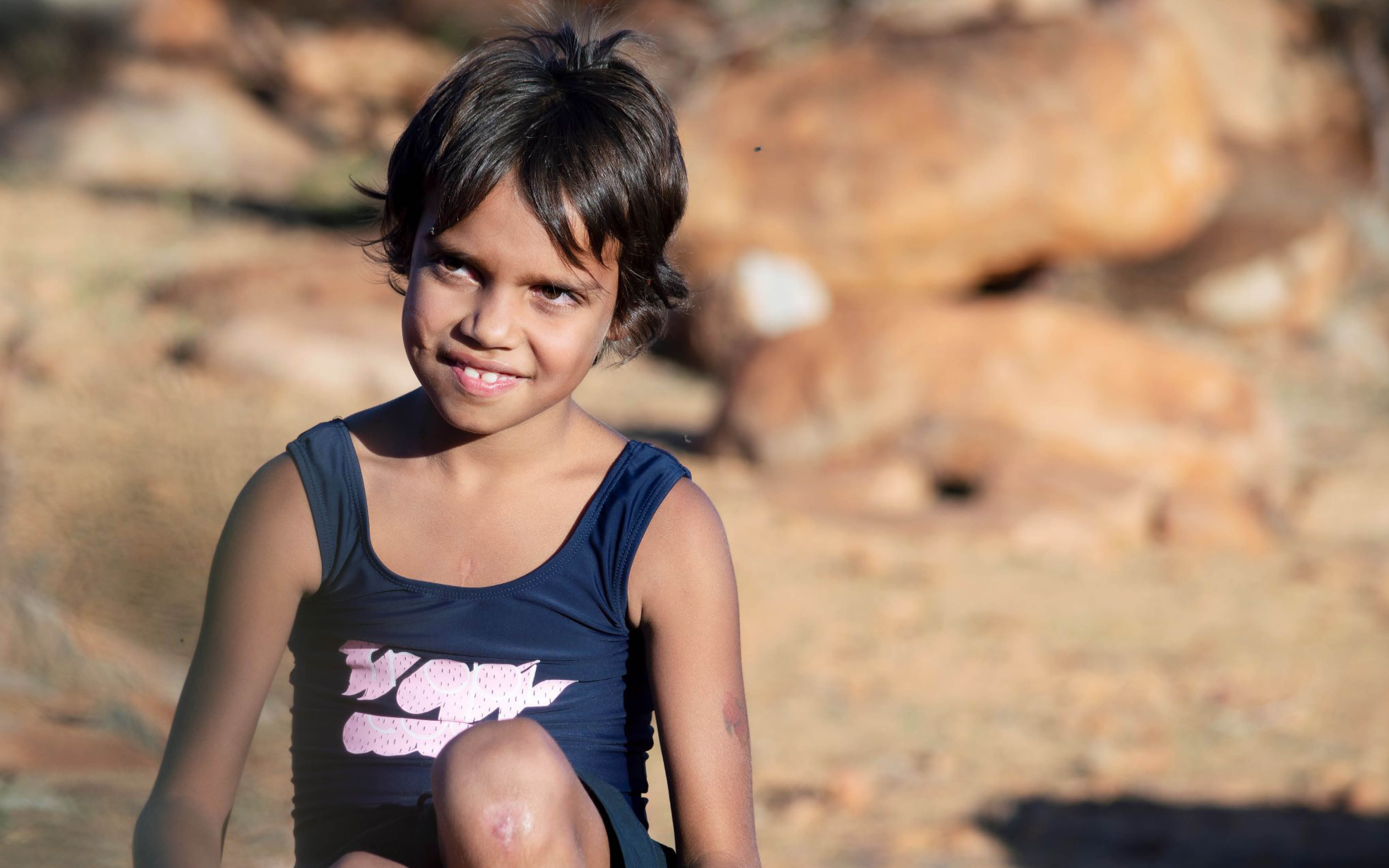
The Strep A Translation team aim to understand the epidemiology of Strep A infections in Australia and the world. Alongside this, they explore the implementation of endgame recommendations, health economics and new horizons.
END RHD is an alliance of health, research and community organisations seeking to amplify efforts to end rheumatic heart disease in Australia through advocacy and engagement.
Kimberley Aboriginal Medical Services, Nirrumbuk Environmental Health and Services and The Kids Research Institute Australia seek to implement and evaluate a community-led project, funded by the Department of Health, to prevent and manage RHD in a selected high-risk Aboriginal community