Skip to content
The Kids Research Institute Australia logo
Donate

Search

Research

Validation of Physical Activity Assessment in Type 1 Diabetes – an Essential Step to Incorporating Systematic Measurement of Activity as the Standard of Care in Youth

Liz Tim Davis Jones MBBS FRACP PhD MBBS DCH FRACP MD Co-director of Children’s Diabetes Centre Co-head, Diabetes and Obesity Research Co-director of

Research

Physical activity estimated by osteogenic potential and energy expenditure has differing associations with bone mass in young adults: The Raine study

Ground impacts during physical activity may be important for peak bone mass. We found differences in how energy expenditure and impact scores estimated from a physical activity questionnaire related to bone health in young adults. Using both estimate types can improve our understanding of the skeletal benefits of physical activity. Purpose: It is unclear whether mechanical loading during physical activity, estimated from physical activity questionnaires which assess metabolic equivalents of task (METs), is associated with skeletal health.

Research

A Long-Term Evaluation of Facebook for Recruitment and Retention in the ENDIA Type 1 Diabetes Pregnancy-Birth Cohort Study

The Environmental Determinants of Islet Autoimmunity (ENDIA) study is an Australia-wide pregnancy-birth cohort study following children who have a first-degree relative with type 1 diabetes (ACTRN1261300794707). A dedicated ENDIA Facebook page was established in 2013 with the aim of enhancing recruitment and supporting participant retention through dissemination of study information.

Research

Mental Health During Late Pregnancy and Postpartum in Mothers With and Without Type 1 Diabetes: The ENDIA Study

Pregnancy and type 1 diabetes are each associated with increased anxiety and depression, but the combined impact on well-being is unresolved. We compared the mental health of women with and without type 1 diabetes during pregnancy and postpartum and examined the relationship between mental health and glycemic control.

Research

Urinary albumin/creatinine ratio tertiles predict risk of diabetic retinopathy progression: a natural history study from the Adolescent Cardio-Renal Intervention Trial (AdDIT) observational cohort

We hypothesised that adolescents with type 1 diabetes with a urinary albumin/creatinine ratio (ACR) in the upper tertile of the normal range (high ACR) are at greater risk of three-step diabetic retinopathy progression (3DR) independent of glycaemic control.

Research

International comparison of glycaemic control in people with type 1 diabetes: an update and extension

o update and extend a previous cross-sectional international comparison of glycaemic control in people with type 1 diabetes. Methods: Data were obtained for 520,392 children and adults with type 1 diabetes from 17 population and five clinic-based data sources in countries or regions between 2016 and 2020.

Research

Effects of simulated high altitude on blood glucose levels during exercise in individuals with Type 1 Diabetes

Current exercise guidelines for individuals with type 1 diabetes (T1D) do not consider the impact that high altitude may have on blood glucose levels (BGL) during exercise.

Research

Demographic and clinical predictors of vitamin D status in pregnant women tested for deficiency in Western Australia

This study aimed to describe the vitamin D status of pregnant women in Western Australia and identify predictors of deficiency in pregnancy. A cross-sectional study was conducted using linked data from statewide administrative data collections.

Research

Randomized Controlled Trial Evaluating the Use of Zoledronic Acid in Duchenne Muscular Dystrophy

Patients with glucocorticoid-dependent Duchenne muscular dystrophy (DMD) have increased fracture risk and reduced bone mineral density (BMD), often precipitating mobility loss.

Research

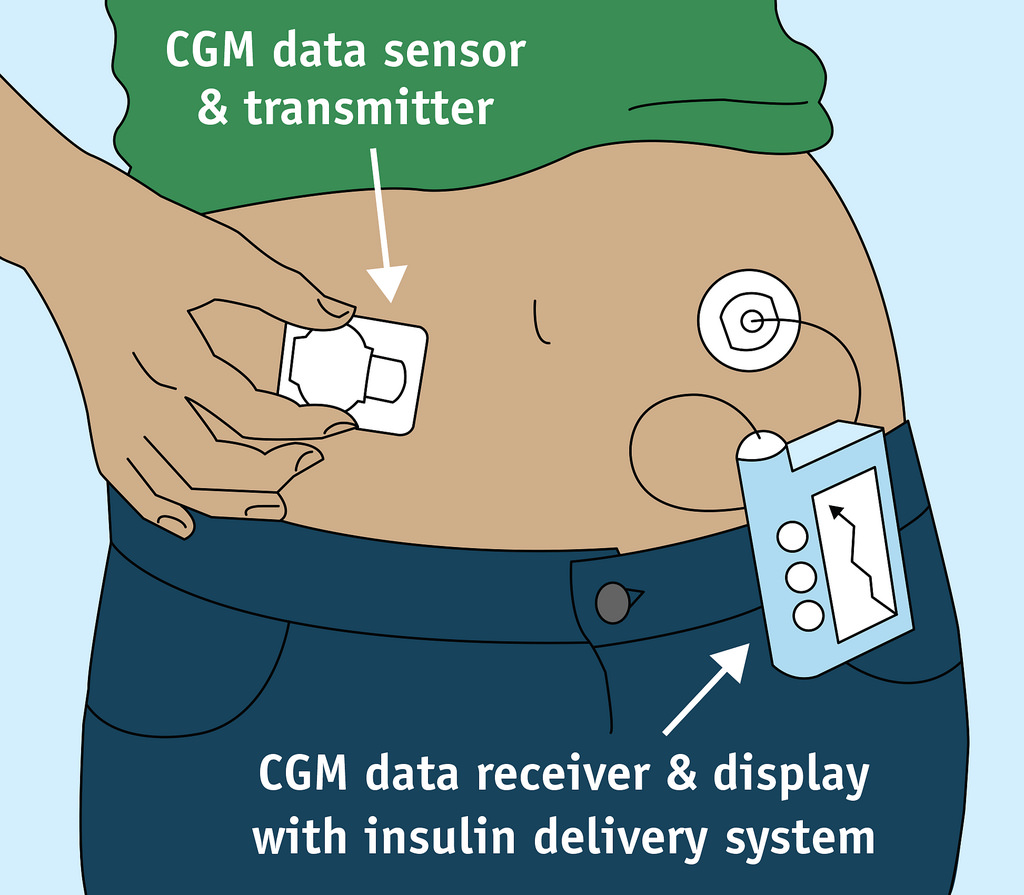
Less Nocturnal Hypoglycemia but Equivalent Time in Range among Adults with Type 1 Diabetes Using Insulin Pumps Versus Multiple Daily Injections

This prerandomization analysis from the Australian HCL-Adult trial (registration number: ACTRN12617000520336) compared masked continuous glucose monitoring (CGM) metrics among adults using insulin pumps versus multiple daily injections (MDIs), who were all self-monitoring blood glucose (SMBG).