
Search
Palivizumab appeared effective for reducing virologically confirmed respiratory syncytial virus in this high-risk cohort
Aboriginal children are at greater risk of rotavirus disease than non-Aboriginal children and delayed vaccine receipt is substantially higher
Substantial spatial clustering of notified tuberculosis was detected at region, zone and district level in Ethiopia
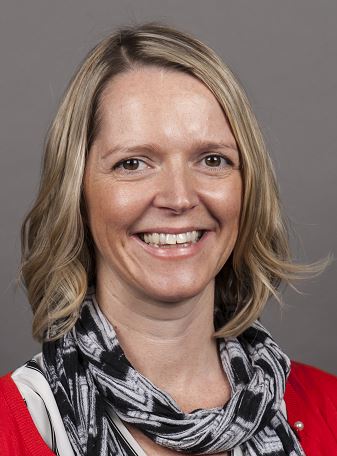
Co-Head, Bacterial Respiratory Infectious Disease Group; Microbiology Lead, Wesfarmers Centre of Vaccines & Infectious Diseases
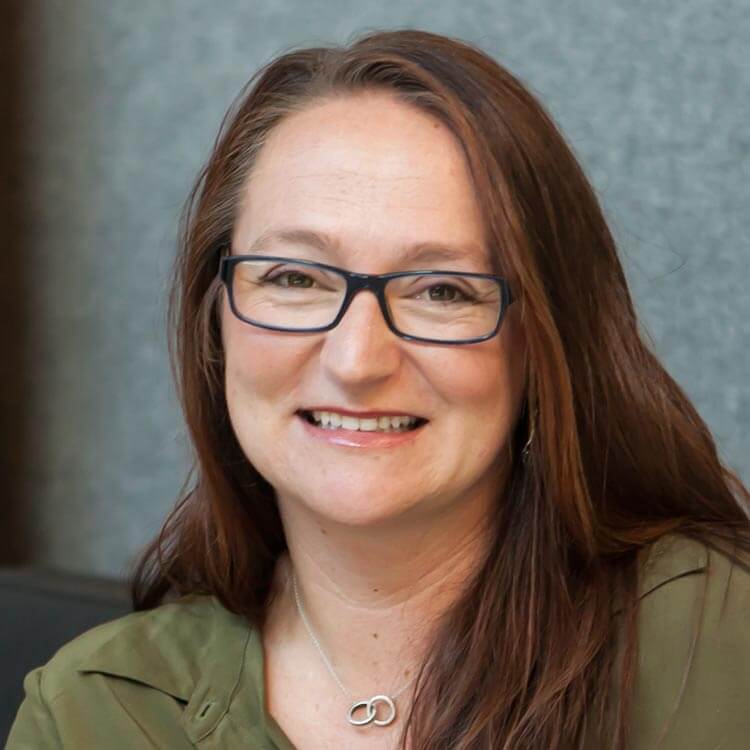
Head, Infectious Diseases Research
Children with birth defects experience higher rates of hospitalisation for ALRIs before age 2 years than children with no birth defects.
The transmission dynamics of RSV infection among young children are still poorly understood and mathematical modelling can be used to better understand...
In 2024, the government of Western Australia introduced 'nirsevimab', a monoclonal antibody offering protection from respiratory syncytial virus (RSV), for eligible infants. This study explores why parents of infants who were eligible to receive nirsevimab opted to decline or delay the immunisation.
Socio-economic inequality and vaccination inequity have long been critical issues. However, no studies have explored the gap in influenza vaccination uptake between public and private schools. Importantly, the extent to which socio-economic inequality translates into vaccination uptake inequity has not been quantified.
Obesity was a risk factor for severe COVID-19 in children during early outbreaks of ancestral SARS-CoV-2 and the Delta variant. However, the relationship between obesity and COVID-19 severity during the Omicron wave remains unclear.