
Search
Measures of autistic traits are only useful – for pre-diagnostic screening, exploring individual differences, and gaining personal insight – if they efficiently and accurately assess autism as currently conceptualised while maintaining psychometric validity across different demographic groups. We recruited 1322 autistic and 1279 non-autistic adults who varied in autism status (non-autistic, diagnosed autistic, self-identifying autistic) and gender (cisgender men, cisgender women, gender diverse) to assess the psychometric properties of the Comprehensive Autistic Trait Inventory, a recently developed measure of autistic traits that examines six trait domains using 42 self-report statements.
Professional supports play an important role in aiding autistic children's learning, participation, and overall wellbeing. Yet, limited research exists on stakeholders' perspectives and preferences regarding targeted outcomes for children undergoing support facilitated by professionals.
There is a common mischaracterisation that autistic individuals have reduced or absent empathy. Measurement issues may have influenced existing findings on the relationships between autism and empathy, and the structure of the empathy construct in autism remains unclear.
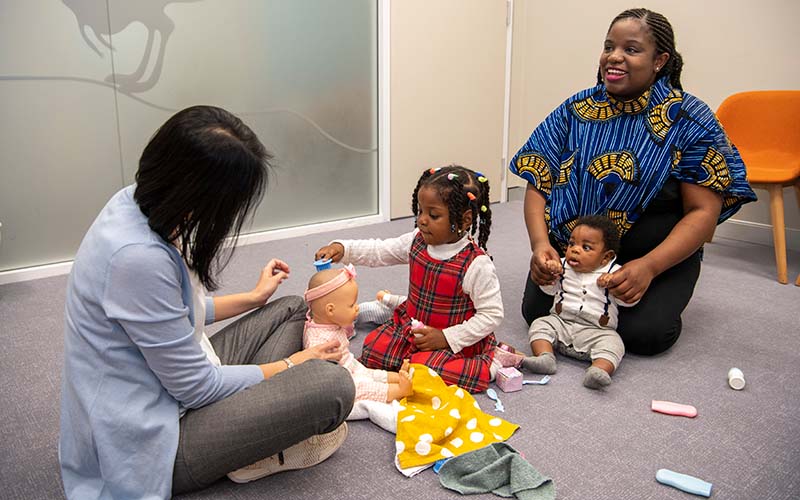
The Kids' autism research takes place at CliniKids, a centre that integrates world-class research with a clinical service for children with developmental delay and/or autism and their families.
This study aims to investigate the cellular and molecular profiles of the immune system in infants at high/low risk for Autism, as determined through clinical assessment.
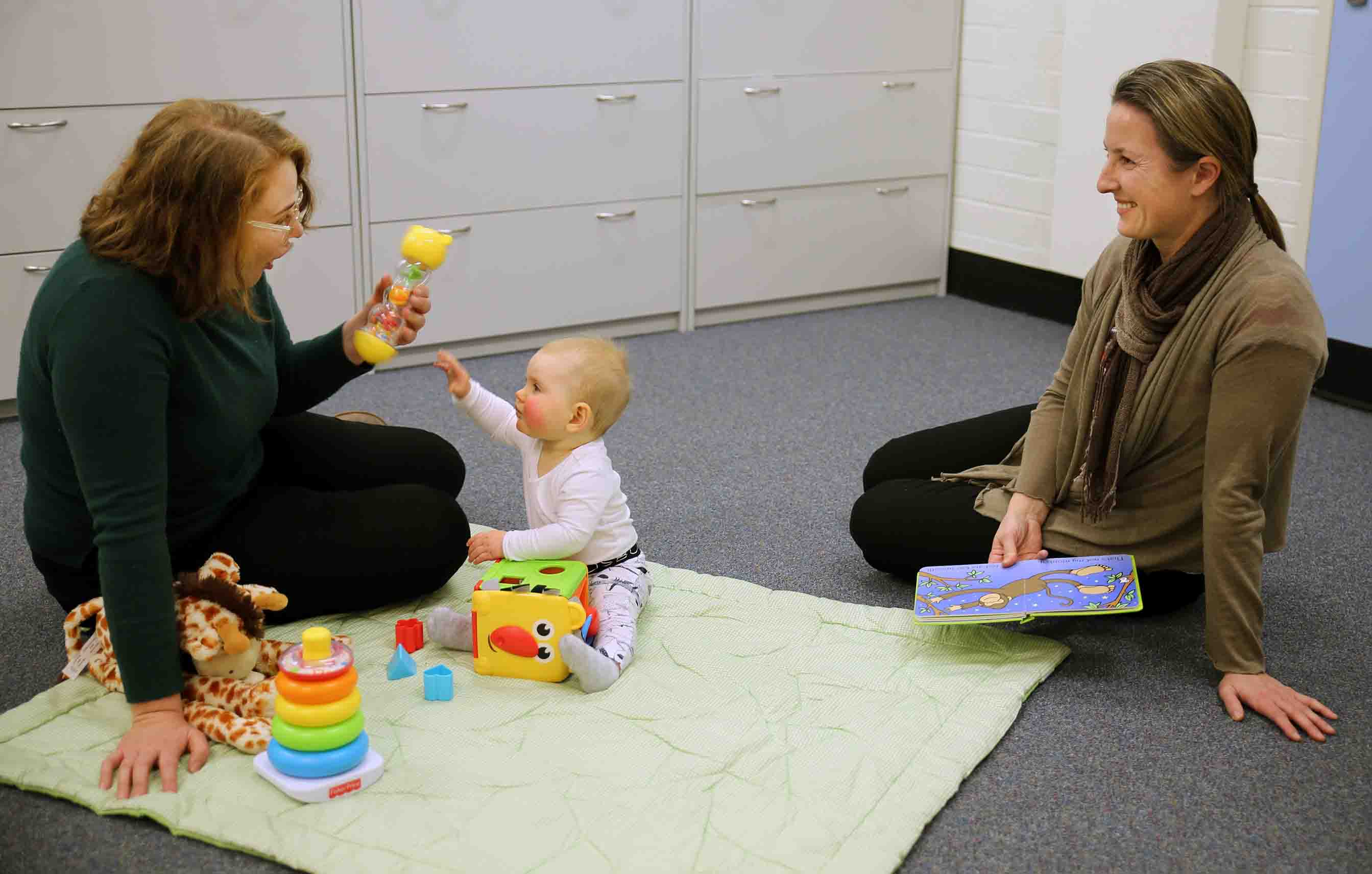
The first rigorous trial of a pre-emptive behavioural intervention for babies showing early signs of autism has found the therapy can improve early language development.
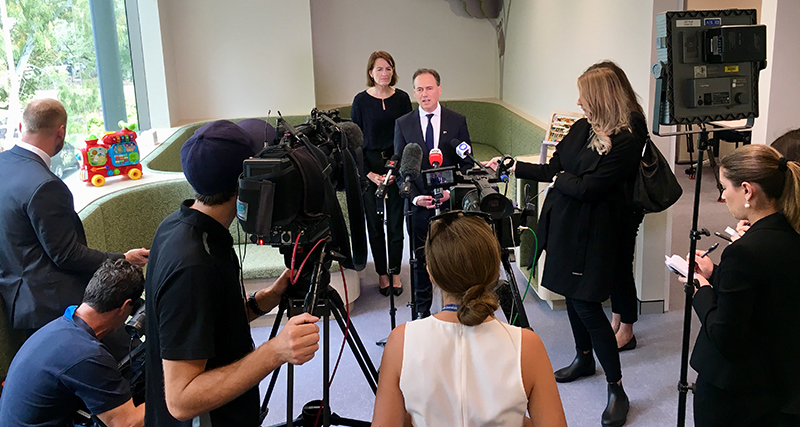
Western Australian babies and children with autism and developmental delay will be able to access world-first therapies and interventions backed by the latest research, thanks a unique clinical service developed by The Kids Research Institute Australia.
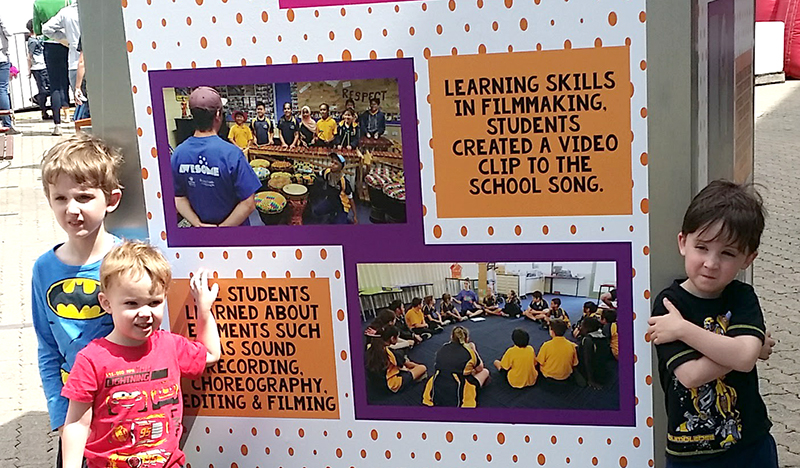
For kids on the autism spectrum, it’s not always easy to enjoy art without becoming overwhelmed, overstimulated or anxious.
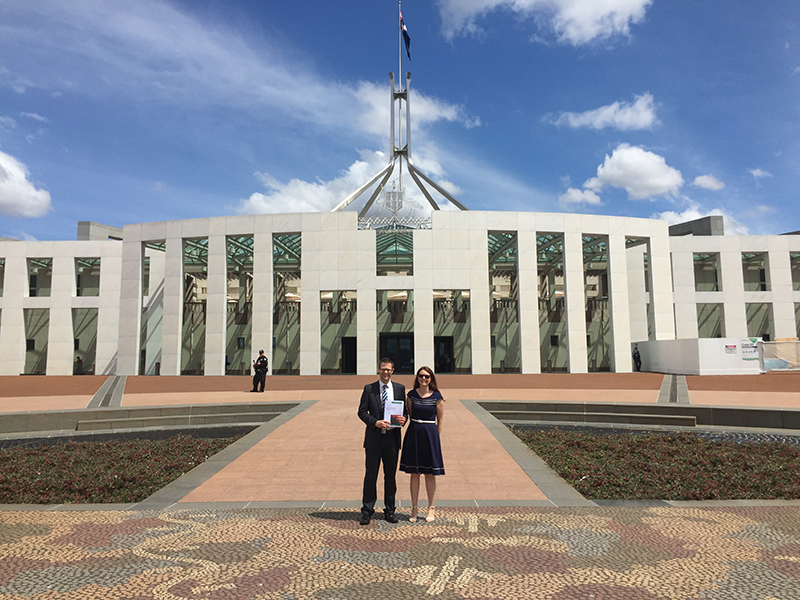
Researchers from The Kids Research Institute Australia, working with the Autism CRC, have led the development of the National Guideline for the Assessment and Diagnosis of Autism Spectrum Disorder in Australia which was launched today.
If there’s one thing modern researchers and health professionals now understand, it’s that for so many diseases and conditions affecting children and adolescents, early intervention is crucial.