
Search
Melioidosis, caused by the Gram-negative bacterium Burkholderia pseudomallei, is a disease endemic in many tropical countries globally. Clinical presentation is highly variable, ranging from asymptomatic to fatal septicemia, and thus the outcome of infection can depend on the host immune responses.
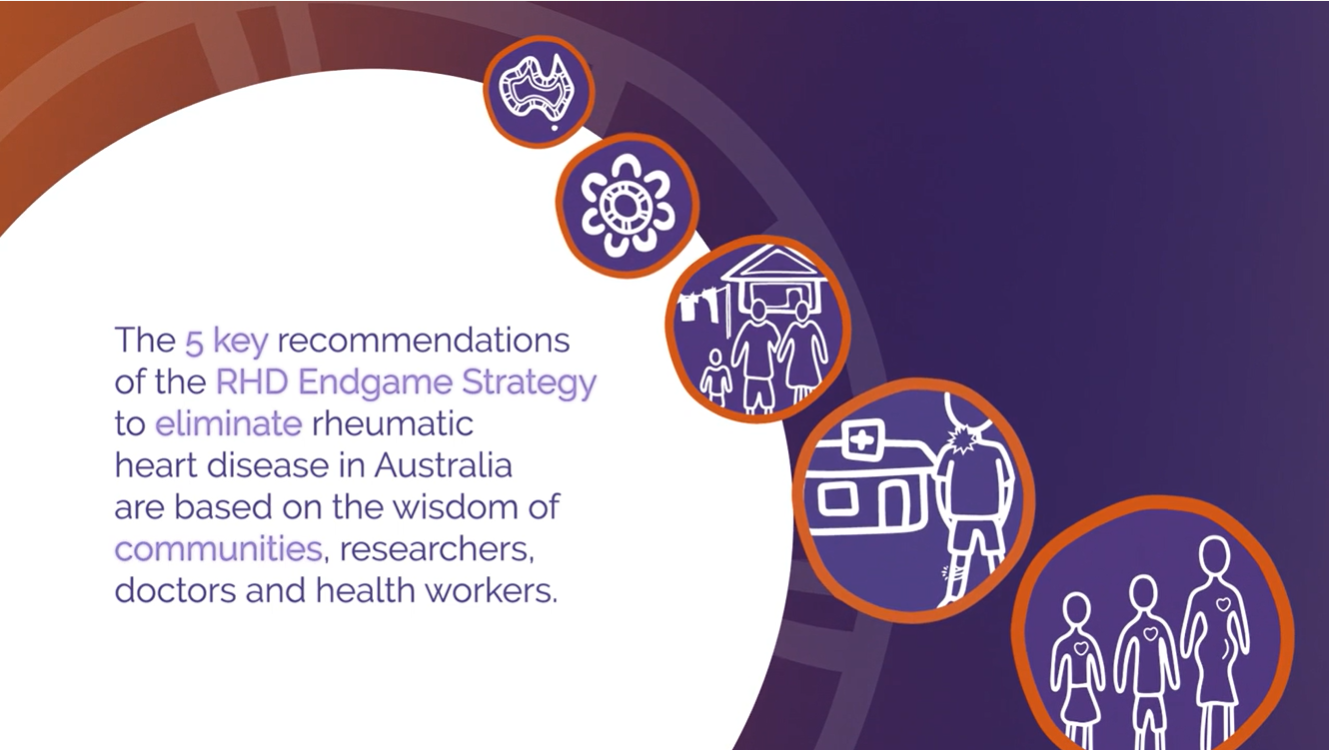
Across Australia, more than 5,000 Aboriginal and Torres Strait Islander people are currently living with rheumatic heart disease (RHD) or its precursor, acute rheumatic fever (ARF).
Previous Australian studies have shown that delayed vaccination with each of the three primary doses of diphtheria-tetanus-pertussis-containing vaccines (DTP) is up to 50 % in certain subpopulations. We estimated the excess burden of pertussis that might have been prevented if (i) all primary doses and (ii) each dose was given on time.
Pneumococcal disease (PD) remains a major health concern with considerable morbidity and mortality in children. Currently licensed pneumococcal conjugate vaccines (PCVs) confer protection against PD caused by most vaccine serotypes, but non-vaccine serotypes contribute to residual disease. V114 is a 15-valent PCV containing all 13 serotypes in Prevnar 13™ (PCV13) and additional serotypes 22F and 33F. This pivotal phase 3 study compared safety and immunogenicity of V114 and PCV13.
Influenza vaccination of children with medical comorbidities is critical due their increased risks for severe influenza disease. In Australia, hospitals are an avenue for influenza vaccine delivery to children with comorbidities but are not always effectively utilised. Qualitative enquiry sought to ascertainment the barriers and enablers for influenza vaccination recommendation, delivery, and recording of these children at Australian hospitals.
While most Australian children are vaccinated, delays in vaccination can put them at risk from preventable infections. Widespread mobile phone ownership in Australia could allow automated short message service (SMS) reminders to be used as a low-cost strategy to effectively 'nudge' parents towards vaccinating their children on time.
The relationship between diabetic ketoacidosis (DKA) at diagnosis of type 1 diabetes and long-term glycemic control varies between studies. We aimed, firstly, to characterize the association of DKA and its severity with long-term HbA1c in a large contemporary cohort, and secondly, to identify other independent determinants of long-term HbA1c.
Acute flaccid paralysis (AFP) surveillance continues globally as part of the World Health Organization's goal to eradicate poliomyelitis. The Australian Paediatric Surveillance Unit, Paediatric Active Enhanced Disease Surveillance network, and National Enterovirus Reference Laboratory collaborate in AFP surveillance in Australia, capturing and reviewing cases of AFP for all aetiologies in order to exclude poliovirus. We aimed to describe the AFP epidemiology in childhood over an 11 year period.
Respiratory syncytial virus is the second most common cause of infant mortality and a major cause of morbidity and mortality in older adults (aged >60 years). Efforts to develop a respiratory syncytial virus vaccine or immunoprophylaxis remain highly active.
Understanding immunity in humans to Group A Streptococcus (Strep A) is critical for the development of successful vaccines to prevent the morbidity and mortality attributed to Strep A infections. Despite decades of effort, no licensed vaccine against Strep A exists and immune correlates of protection are lacking; a major impediment to vaccine development.