
Search
Future trends in disease burden and drivers of health are of great interest to policy makers and the public at large. This information can be used for policy and long-term health investment, planning, and prioritisation. We have expanded and improved upon previous forecasts produced as part of the Global Burden of Diseases, Injuries, and Risk Factors Study (GBD) and provide a reference forecast (the most likely future), and alternative scenarios assessing disease burden trajectories if selected sets of risk factors were eliminated from current levels by 2050.
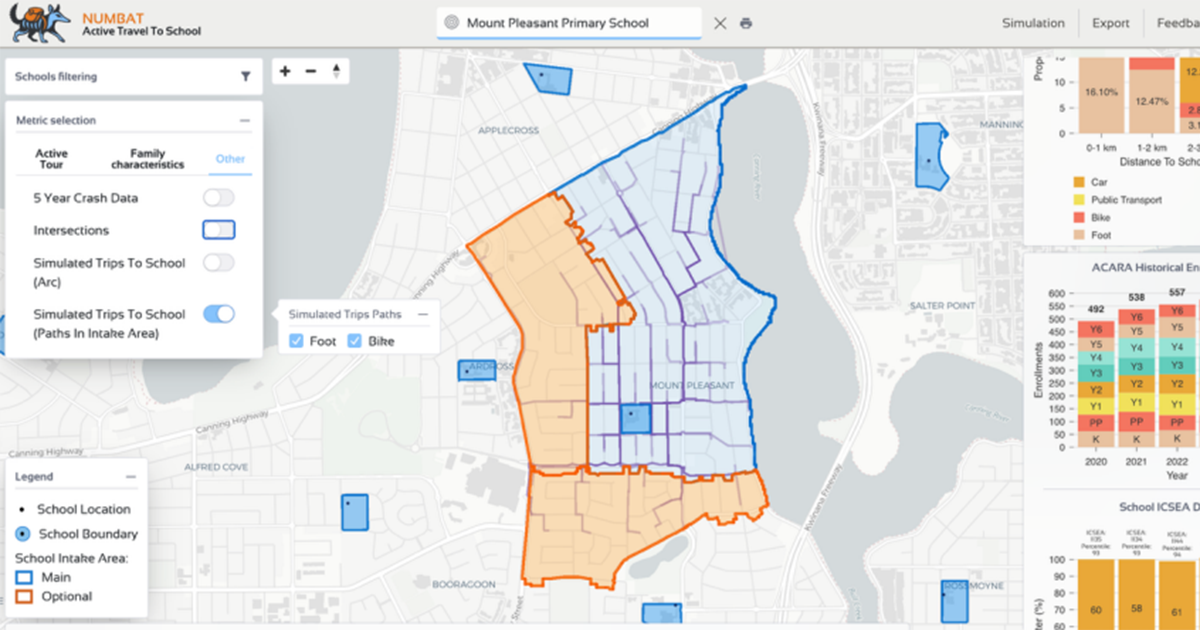
A powerful new digital modelling tool is helping tackle an emerging challenge in children’s health – the dramatic decline in walking and cycling to school.
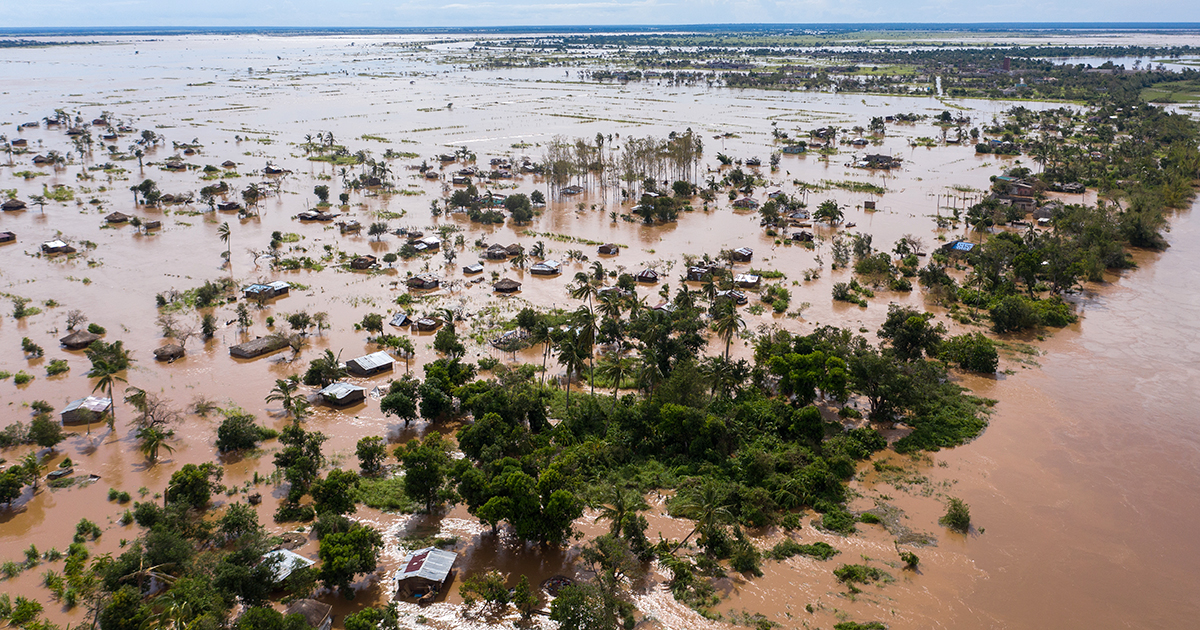
World-first research from The Kids Research Institute Australia and Curtin University predicts climate change could trigger more than 100 million additional malaria cases and 500,000 additional deaths in Africa by 2050, including substantial impacts on children.
Anemia constitutes a major global public health challenge among school-aged children with documented impacts on psychomotor development, academic achievement, susceptibility to infections, and long-term economic productivity. This study presents nationally representative findings on the prevalence and determinants of anemia among school children aged 5-16 years in mainland Tanzania.
Malaria remains a leading cause of illness and death globally, with countries in sub-Saharan Africa bearing a disproportionate burden. Global high-resolution maps of malaria prevalence, incidence, and mortality are crucial for tracking spatially heterogeneous progress against the disease and to inform strategic malaria control efforts. We present the latest such maps, the first since 2019, which cover the years 2000–22. The maps are accompanied by administrative-level summaries and include estimated COVID-19 pandemic-related impacts on malaria burden.
Child anthropometric deficits remain a major public health problem in Sub-Saharan Africa (SSA) and are a key target of the UN Sustainable Development Goals (SDGs). The SDGs recommend disaggregation of health indicators by ethnic group. However, few studies have assessed how ethnicity is associated with anthropometric deficits across SSA.
To characterise small-area geographical variation in the prevalence of diabetes in Australian youth. A combined statistical reconstruction and small-area estimation algorithm was applied to privacy-modulated data from the 2021 Australian Census.
In the context of high malaria burden yet limited resources, Guinea's national malaria programme adopted an innovative subnational tailoring approach, including engagement of stakeholders, data review, and data analytics, to update their malaria operational plan for 2024-2026 and identify the most appropriate interventions for each district considering the resources available.
Post-acute sequelae of COVID-19 (PASC), or long COVID, are a public health concern. While most recover from SARS-CoV-2 infections within weeks, some experience persistent symptoms. Here, we quantified the association between repeated SARS-CoV-2 infections and the risk of hospital-diagnosed PASC.
Vietnam, as one of the countries in the Greater Mekong Subregion, has committed to eliminating all malaria by 2030. Declining case numbers highlight the country's progress, but challenges including imported cases and pockets of residual transmission remain. To successfully eliminate malaria and to prevent reintroduction of malaria transmission, geostatistical modelling of vulnerability (importation rate) and receptivity (quantified by the reproduction number) of malaria is critical.