
Search
Maternal psychological distress is related to poorer physical and mental health as well as child developmental problems. Interventions that optimise maternal mental health and wellbeing during the "first 1,000 days" of life should have wide-reaching benefits for the mother and her child.
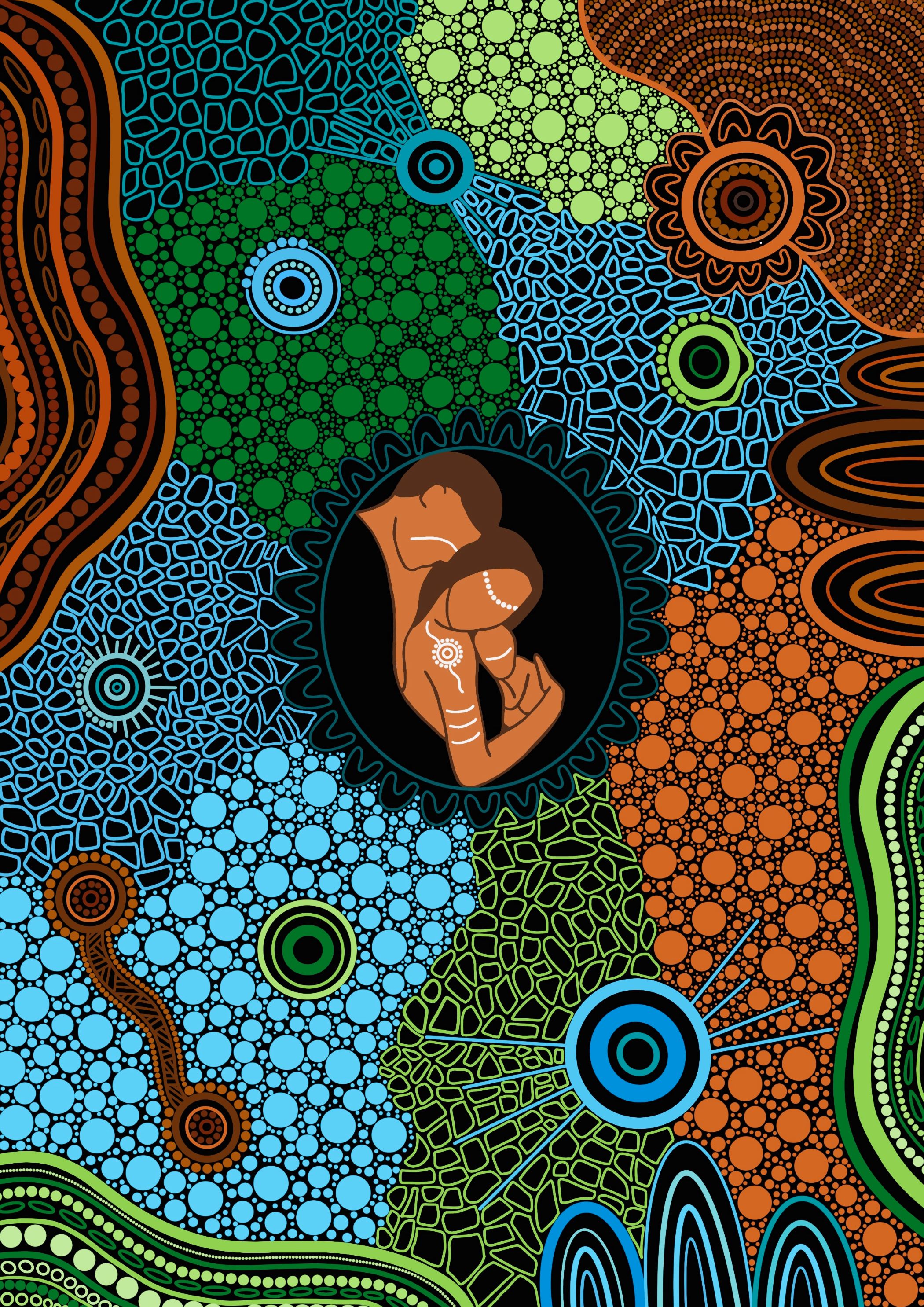
The aim of this project is to develop and implement a culturally safe, responsive and trauma-informed parenting program for Aboriginal and Torres Strait Islander families.
Having a newborn child admitted into a NICU can be highly traumatic for parents. The compounding effects of the NICU clinical environment, having a seriously ill child, in addition to the inability to care or adequately bond with your child can be extremely distressing.
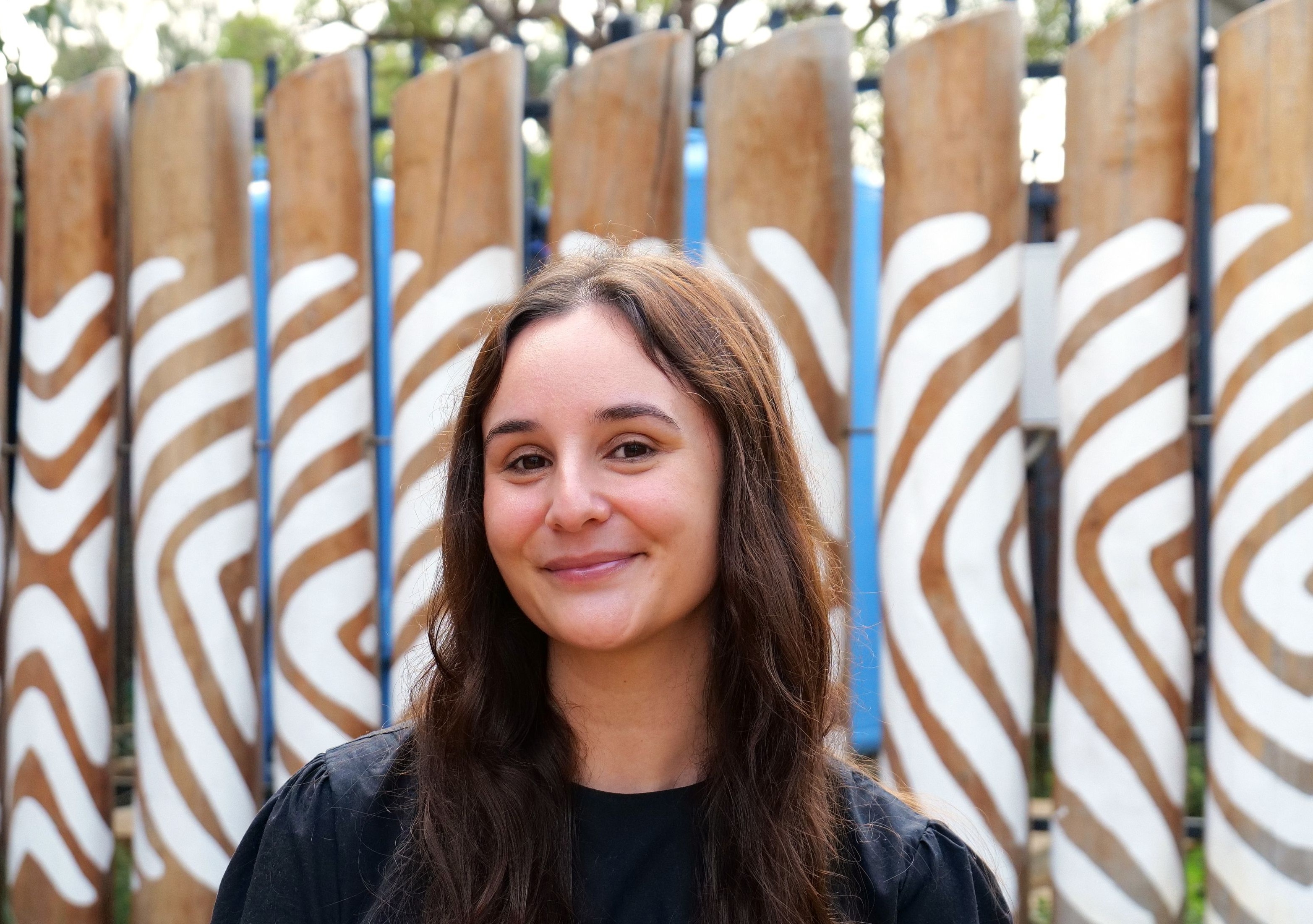
Senior Research Officer Tanika Sgherza is on the Healing Kids, Healing Families team.
A community-led, trauma-informed psychosocial intervention to improve health outcomes of children and young people with Type-1 diabetes.
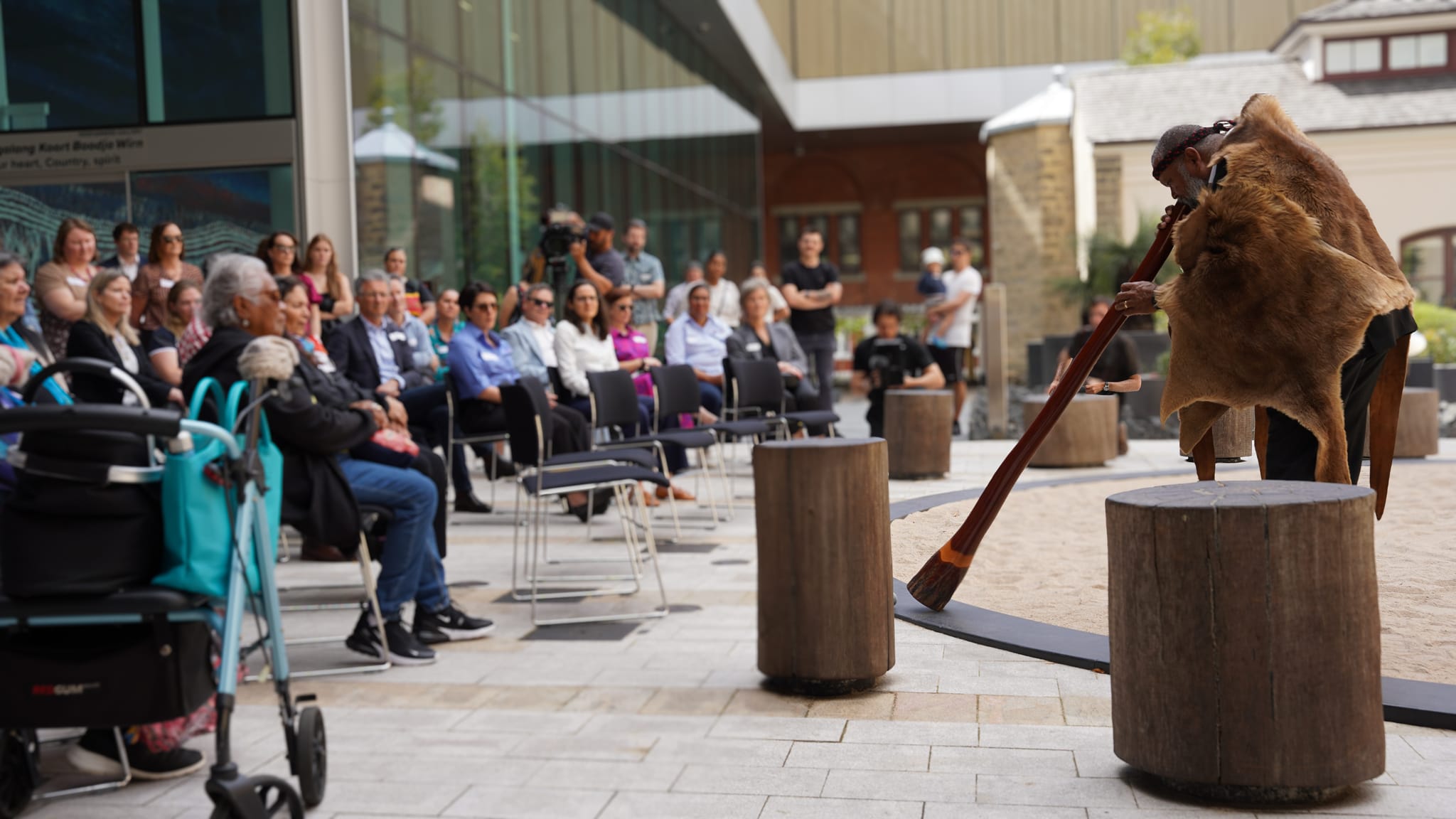
The impact of colonisation, genocide, and continuing discriminatory policies have created a context for ongoing disadvantage, trauma, and high rates of mental health issues for Aboriginal and Torres Strait Islander young people.
This study aims to investigate early career teachers’ education, knowledge, perceptions and experiences of trauma-informed practice in Western Australia.
Dissociation is the act of separating oneself from reality and is often used by children and young people to disconnect from traumatic experiences.
This study examined how mental health clinicians conceptualise, assess, and treat dissociation in children and adolescents, and examined their confidence in working with these presentations to inform clinical practice.
Children with serious burns often suffer psychosocial consequences. This study evaluated the pilot of a 6-session psychoeducational intervention newly designed to support the wellbeing of children who experienced burns.