
Search
The epithelium is integral to the protection of many different biological systems and for the maintenance of biochemical homeostasis. Emerging evidence suggests that particular children have epithelial vulnerabilities leading to dysregulated barrier function and integrity, that resultantly contributes to disease pathogenesis.
Acute wheezing is one of the most common hospital presentations for young children. Respiratory syncytial virus (RSV) and rhinovirus (RV) species A, B and the more recently described species C are implicated in the majority of these presentations. However, the relative importance and age-specificities of these viruses have not been defined.
Chinese immigrants living in Australia experience increased allergic conditions: asthma, eczema, hay fever and wheeze. Recently we reported diminished innate cytokine responses in long-term immigrants, potentially increasing their pathogenic viral load and microbial carriage. We hypothesise that a Western environment changes the nasal microbiome profile, and this altered profile may be associated with the development of allergic conditions. In this cross-sectional study, we aimed to examine the loading of viral and microbial respiratory pathogens in the upper airway.
Children born preterm have impaired lung function and altered lung structure. However, there are conflicting reports on how preterm birth impacts aerobic exercise capacity in childhood. We aimed to investigate how neonatal history and a diagnosis of bronchopulmonary dysplasia (BPD) impact the relationship between function and structure of the lung, and aerobic capacity in school-aged children born very preterm.
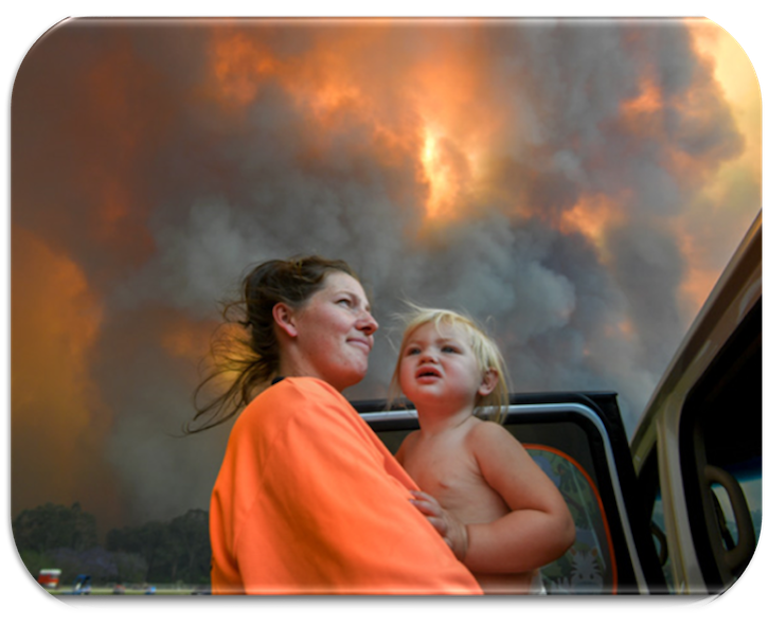
The greatest threat to children’s health in the future is environmental change, including climate change. The Future Child Health project aims to quantify how current and future environmental changes affect child health.
Large numbers of children need emergency medical treatment each year for respiratory illnesses, particularly for wheezing and asthma.
An NHMRC grant exploring epigenetic factors that affect wheezing and asthma development.