
Search
Sepsis is one of the leading causes of neonatal mortality. There is heterogeneity in the outcomes measured and reported in studies of neonatal sepsis. To address this challenge, a core outcome set (COS) for research on neonatal sepsis was needed.
Infants at risk of HIE require early identification and initiation of therapeutic hypothermia (TH). Earlier treatment with TH is associated with better outcomes. aEEG is frequently used when making the decision whether to commence TH. As this is often limited to tertiary centers, TH may be delayed if the infant requires transport to a center that provides it.
The structure and function of infant skin is not fully developed until 34 weeks of gestation, and this immaturity is associated with risk of late-onset sepsis (LOS). Topical coconut oil improves preterm-infant skin integrity and may reduce LOS. However, data on early-life skin-microbiome succession and potential effects of emollient skin care in preterm infants are scarce.
The physicochemical compatibility of alprostadil injection with secondary intravenous (IV) drugs and 2-in-1 parenteral nutrition (PN) solutions used in Neonatal Intensive Care Unit settings was investigated.
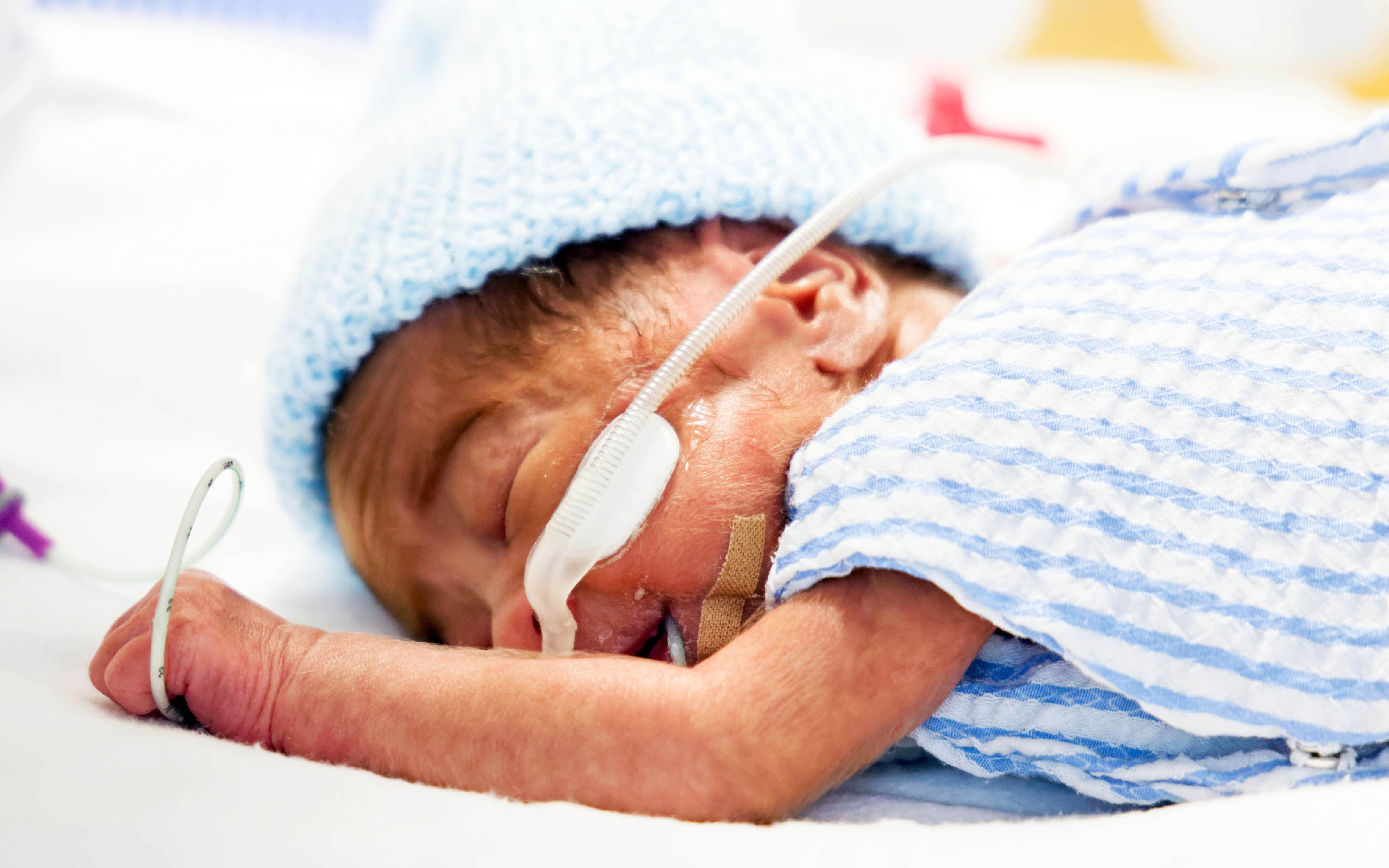
Preterm babies have a heightened risk of infection as their immune system is not mature. The Neonatal Health Team is exploring new ways to diagnose, prevent and treat infections in WA's smallest patients .
Infants born before 28 weeks' gestation account for approximately 75% of neonatal morbidity and mortality. Late-onset sepsis (LOS) affects around 25% of these infants and is associated with an increased risk of adverse long-term outcomes. The topical application of coconut oil has been used for centuries in newborn care. Coconut oil is rich in saturated fatty acids, several of which have demonstrated antimicrobial properties. It is considered safe for extremely preterm infants, improves skin condition and may reduce the incidence of LOS.
Neonatal sepsis-induced cardiovascular dysfunction includes impaired myocardial function (which may be systolic and/or diastolic) and vasoregulatory failure (which may lead to vasodilation or vasoconstriction). The haemodynamic response in neonatal sepsis may therefore be hyperdynamic or hypodynamic, and the underlying pathophysiological mechanisms are heterogenous.
The highest incidence of sepsis across all age groups occurs in neonates leading to substantial mortality and morbidity. Cardiovascular dysfunction frequently complicates neonatal sepsis including biventricular systolic and/or diastolic dysfunction, vasoregulatory failure, and pulmonary arterial hypertension.
Neonatal sepsis is a serious public health problem; however, there is substantial heterogeneity in the outcomes measured and reported in research evaluating the effectiveness of the treatments. Therefore, we aim to develop a Core Outcome Set (COS) for studies evaluating the effectiveness of treatments for neonatal sepsis.
Early-life antibiotic exposure is disproportionately high compared to the burden of culture-proven early-onset sepsis (CP-EOS). We assessed the contribution of culture-negative cases to the overall antibiotic exposure in the first postnatal week.