
Search
To examine follow-up outcomes at corrected postnatal age (cPNA) 2 years of preterm infants previously enrolled in an RCT and treated with IN-REC-SUR-E or IN-SUR-E in 35 tertiary neonatal intensive care units.
Bronchopulmonary dysplasia (BPD) remains the most common complication of preterm birth with lifelong consequences. Multiple BPD definitions are currently used in daily practice. Uniformity in defining BPD is important for clinical care, research and benchmarking. The aim of this Delphi procedure is to determine what clinicians and researchers consider the key features for defining BPD.
Instability of peripheral oxyhemoglobin saturation (SpO2) in preterm infants is correlated with late disability and is poorly understood. We hypothesised that a reduced ventilation to perfusion ratio (VA/Q) is the key predisposing factor for SpO2 instability.
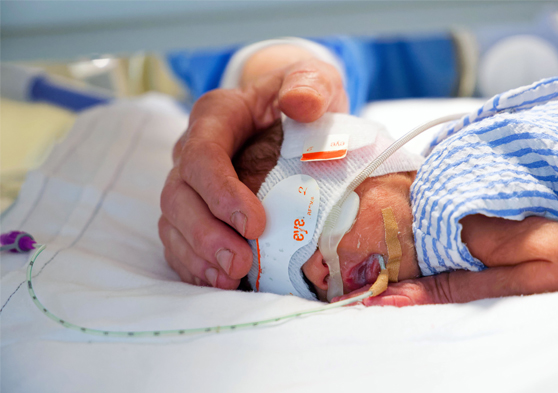
The CIRCA DIEM Study is a clinical research study being coordinated by the Developmental Chronobiology Team at The Kids Research Institute Australia, who are based in Perth, Western Australia and involving research teams from Australia and New Zealand.
Laboratory models provide an important tool in helping to understand the cellular and molecular drivers of respiratory disease. Many animal models exist that model the neonatal outcomes of preterm birth.
Abnormalities of the airway smooth muscle (ASM) layer in asthma may develop before birth. We hypothesize that antenatal inflammation causes physiological abnormalities of the ASM that predisposes asthma. This study determined the short-term effects of antenatal inflammation on the developing ASM.
Jane Pillow BMedSci (Dist) MBBS, PhD (Dist) FRACP Head, Developmental Chronobiology jane.pillow@thekids.org.au Head, Developmental Chronobiology
The CIRCA DIEM Study is a multicentre study, involving several different hospital sites across Australia. Here, you can find out more about which hospitals recruit babies into the CIRCA DIEM Study.
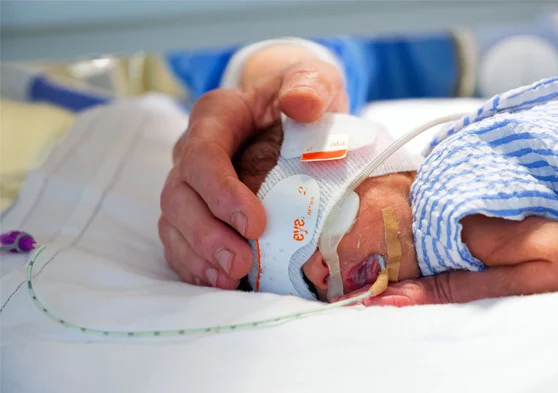
The CIRCA DIEM biobank is a unique collection of biological samples - such as blood, stool and saliva - collected from babies enrolled in the trial.
Investigators: Andrew Gill External collaborators: Assoc Prof David Tingay (Murdoch Children's Research Institute) The POLAR trial is an MRFF-funded