
Search
Cow's milk allergy is rare in exclusively breastfed infants. To support the continuation of breastfeeding an infant after diagnosis with a cow's milk allergy, it is critical to examine the evidence for and against any form of cow's milk elimination diet for lactating mothers. In this narrative review, we highlight the lack of high-quality evidence, hence subsequent controversy, regarding whether the minuscule quantities of cow's milk proteins detectable in human milk cause infant cow's milk allergy symptoms.
The first peanut oral immunotherapy (OIT) for children was approved by the US Food and Drug Administration (FDA) in 2020. While clinical efficacy is established, evidence on cost-effectiveness-whether the benefits outweigh the costs and adverse effects-remains limited. A variant of OIT, known as probiotic and peanut OIT (PPOIT), has shown similar efficacy in trials.
Human milk is rich in immuno-modulatory factors that have the potential to shape immune development and influence allergy risk in children. In this article, we describe how breast milk may contribute to making the infant less prone to developing allergies.
Allergic sensitization and reduced ability to respond to viral infections may contribute to virus-induced wheeze and asthma development in young children. Plasmacytoid dendritic cells (pDC) are rare immune cells that produce type I interferons (IFN-I) and play a key role in orchestrating immune responses against viruses.
Peanut allergy is the most common childhood-onset, persistent food allergy. Peanut oral immunotherapy (OIT) is a potential treatment, but few studies prospectively examine the outcome of peanut OIT in young children using parent-measured doses compared to standard care (peanut avoidance).
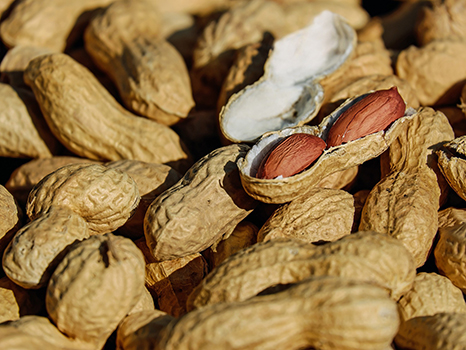
An Australian research team – led by Murdoch Children’s Research Institute and including researchers from The Kids Research Institute Australia, Perth Children’s Hospital and The University of Western Australia – has discovered two peanut allergy treatments for children that are both highly effective at induc
Food allergy affects families' quality of life, can be lifelong and life-threatening, urging the identification of early modifiable risk factors. Formula feeding in the first days of life may increase the risk of cow's milk allergy, a risk often attributed to cow's milk allergens exposure. Early formula feeding also reduces the colostrum intake, the first 3 days' milk, which is rich in bioactive compounds critical for immune and gut health. This study investigates whether partial colostrum feeding increases the risk of food allergy beyond cow's milk.
Ingestion of prebiotics during pregnancy and lactation may have immunomodulatory benefits for the developing fetal and infant immune system and provide a potential dietary strategy to reduce the risk of allergic diseases. We sought to determine whether maternal supplementation with dietary prebiotics reduces the risk of allergic outcomes in infants with hereditary risk.
There is a scarcity of prospective studies investigating the relative roles of skin prick and intradermal testing, serum specific IgE, and extended oral challenges in diagnosing children with reported β-lactam allergies.

New research from The Kids Research Institute Australia suggests a simple dietary intervention during pregnancy could help protect against the increased risk of food allergies associated with antibiotics taken before birth.