
Search
Human milk bacteria contribute to gut microbiome establishment in breastfed infants. Although breastfeeding is recommended throughout infancy, temporal variation in the milk microbiome-particularly beyond solid food introduction-remains understudied. We analyzed 539 milk samples from 83 mother-infant dyads between 1 week and 12 months postpartum using full-length 16S rRNA gene sequencing.
Genomic information is increasingly used to inform medical treatments and manage future disease risks. However, any personal and societal gains must be carefully balanced against the risk to individuals contributing their genomic data. Expanding our understanding of actionable genomic insights requires researchers to access large global datasets to capture the complexity of genomic contribution to diseases.
Functional studies of how early-life interventions shape the airway microbiome remain scarce. Here, we performed metagenomic sequencing of 704 longitudinal nasal swabs from infants with and without cystic fibrosis (CF) to construct and characterize a non-redundant gene atlas of the infant nasal microbiome. We aimed to determine how the nasal microbiome is perturbed by early therapies, as CF is commonly treated with inhaled hypertonic saline to improve mucociliary clearance.
Timo Lassmann BSc (Hons) MSc PhD Feilman Fellow; Head, Precision Health Research and Head, Translational Intelligence timo.lassmann@thekids.org.au
Genomic sequencing in congenital heart disease (CHD) patients often discovers novel genetic variants, which are classified as variants of uncertain significance (VUS). Functional analysis of each VUS is required in specialised laboratories, to determine whether the VUS is disease causative or not, leading to lengthy diagnostic delays.
Spatial transcriptomic techniques provide a wealth of information useful in guiding drug development, while three-dimensional (3D) cell cultures have demonstrated power in accelerating drug approvals. However, techniques for robust spatial analysis of 3D cultures are limited. Here, we present a transfection-based method for constructing cellular spheroids through a layer-by-layer approach, in which DNA barcodes encode the spatial positioning of cells.
The rise of sedimentary ancient DNA (sedaDNA) studies has opened new possibilities for studying past environments. This groundbreaking area of genomics uses sediments to identify organisms, even in cases where macroscopic remains no longer exist. Managing this substrate in Indigenous Australian contexts, however, requires special considerations. Sediments and soils are often considered as waste by-products during archaeological and paleontological excavations and are not typically regulated by the same ethics guidelines utilised in mainstream 'western' research paradigms.
The Australian Genomics Cardiovascular Disorders Flagship was a national multidisciplinary collaboration. It aimed to investigate the feasibility of genome sequencing and functional genomics to resolve variants of uncertain significance in the clinical management of patients and families with cardiomyopathies, primary arrhythmias, and congenital heart disease.
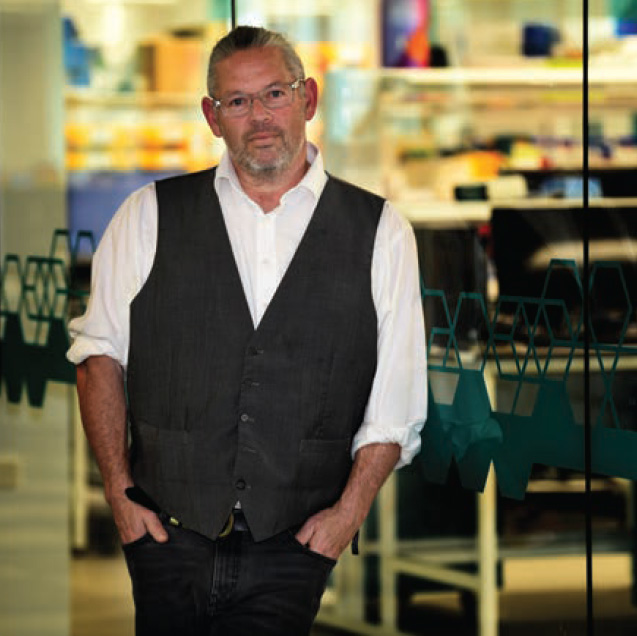
Scientific discoveries over the past 30 years mean doctors now have a deeper understanding of what causes disease and how those diseases might progress.
Indigenous communities are under-represented in genomics research, contributing to inequitable health-related knowledge, outcomes, and benefits. Under-representation reflects enduring consequences of colonial research practices that have engendered cultural, ethical, legal, and social (CELS) concerns among communities.