
Search

The Kids Research Institute Australia cyber safety expert Professor Donna Cross says parents should use the ‘three C’s’ to help keep their children safe online.
Around the world, adolescents are more digitally connected than ever, and access to digital devices has become a lightning rod of conflict in many homes. To date, research on best practices in digital parenting has been hampered by the absence of a well validated measure that reflects the mutli-faceted realities of parenting in the contemporary digital age.
Behavioural sleep problems are common in children. The challenges with establishing and maintaining good sleep hygiene may prove challenging to overcome based on environmental issues such as the liberal availability of electronic media from a young age, permissive parenting, difficult family dynamics and limited parental/carer understanding of a child's sleep needs as they progress through childhood and adolescence.
Young children are increasingly exposed to evolving screen technology. International guidelines recommend no screen use for children under the age of 2 years, due to the potential for detrimental effects on behaviour and development. However, evidence for these guidelines is limited by inadequate consideration of device-specific effects (TV and mobile phone/tablet computer), maternal screen use, confounders such as maternal mental health and importance of effect sizes.
Parents and caregivers often turn to the internet for information about their child's health and development. Research investigating content related to parenting on the world's most popular social media platform, TikTok, has not been conducted.
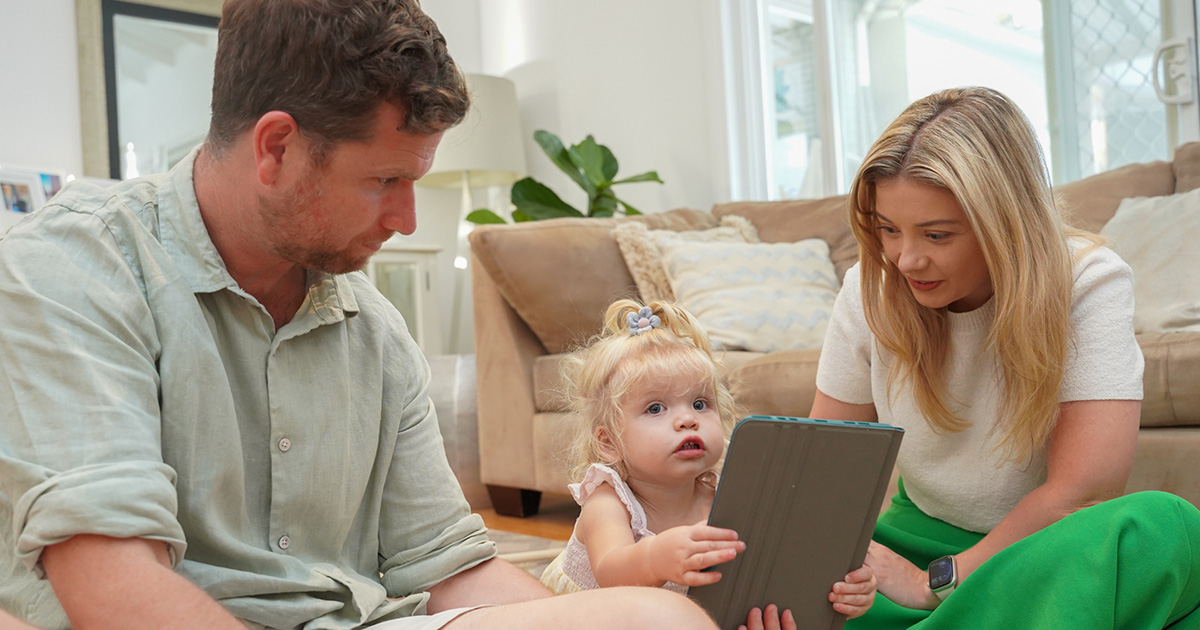
A first-of-its kind study has found that for every minute of screen time toddlers are exposed to at home, they hear fewer adult words, make fewer vocalisations and engage in fewer back-and-forth conversations with their parents.
In this paper, we describe the developmental process of a culturally grounded Moombaki virtual reality (VR) game. We share how Aboriginal children’s drawings have informed the creation of an interactive learning platform for primary school-aged children attending schools in Wadjuk Boodja. The project focused on connecting students to cultural knowledge through immersive storytelling, creative exploration, and collaborative design by using small group yarning circles and game development activities.
The prevalence estimates of physical activity, sedentary behavior, and sleep (collectively known as movement behaviors) in 3- and 4-year-old children worldwide remains uncertain.
Steve Desiree Zubrick Silva FASSA, FAAMHS, MSc AM PhD MBBS, FRACP, MPH, PhD Honorary Emeritus Research Fellow Co-Director, ORIGINS 08 6319 1409
To investigate how dieting is portrayed on TikTok and the potential implications for public health considering the effect of diet culture on eating disorders amongst young people.