
Search
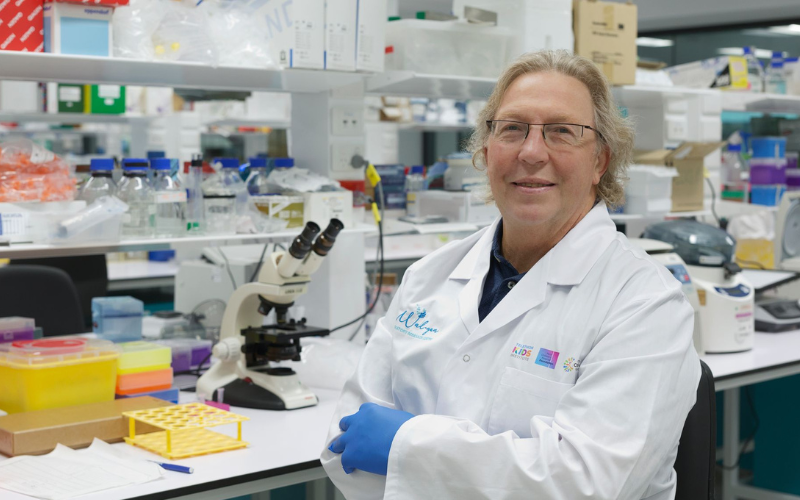
A project to be undertaken by a team of researchers at the Wal-yan Respiratory Research Centre, led by chief investigator Professor Stephen Stick, aims to develop interventions that could provide protection in the event of a new pandemic, and against common viruses already infecting children in WA.
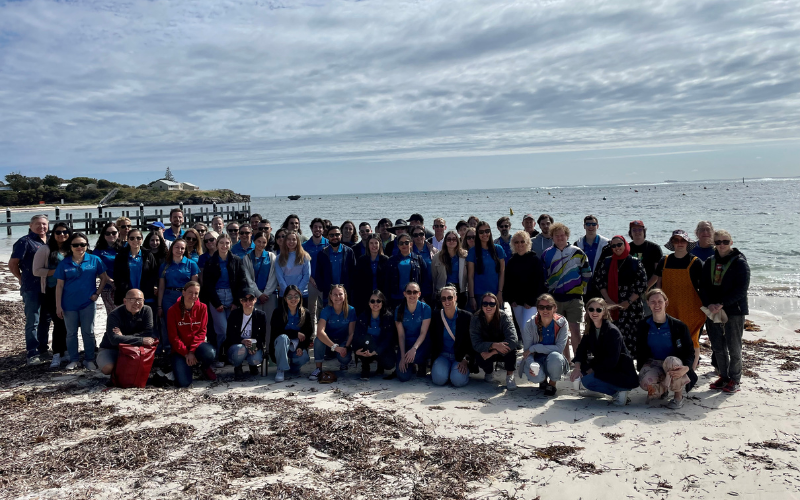
Wal-yan Respiratory Research Centre team members and special guests travelled to Wadjemup (Rottnest) on 27 and 28 October to spend an intensive two days together learning about, and providing input into, the broad range of research projects underway within the Centre.
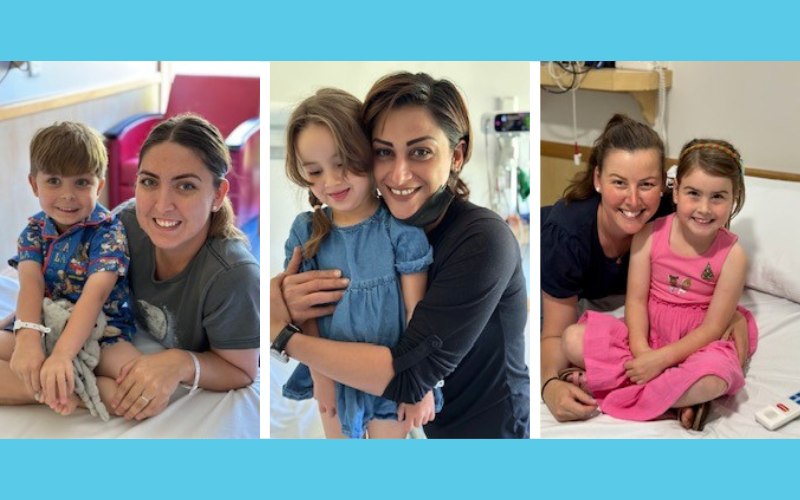
A research program, which enables over 25 important respiratory research studies to be undertaken, celebrated the recruitment of its 300th participant on 14 December 2022.

Seven innovative lung health research projects have received funding support as the 2023 Wal-yan Respiratory Research Centre Strategic Inspiration Projects.

More than 14 researchers from the Wal-yan Respiratory Research Centre will be welcomed as presenters and facilitators at The Thoracic Society of Australia and New Zealand and The Australia and New Zealand Society of Respiratory Science (TSANZSRS) Annual Scientific Meeting (ASM) this weekend.
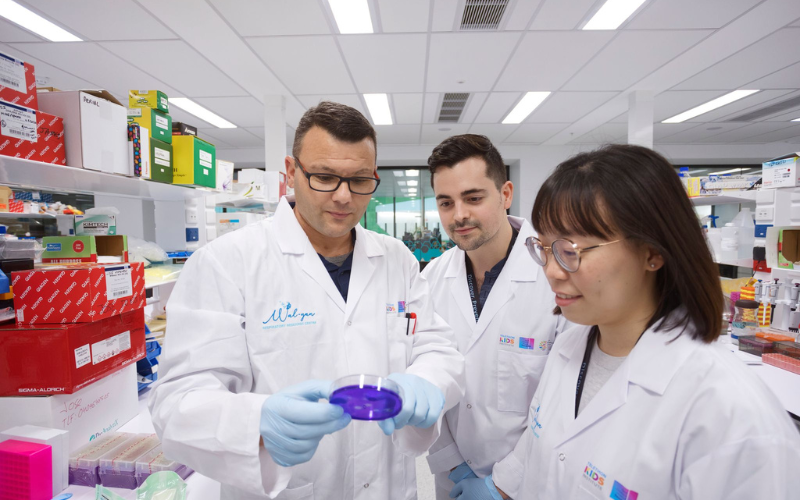
Patients with lung infections that are not responding to antibiotics will be treated with phage therapy as part of a translational trial program to be undertaken by world-recognised experts in this field.
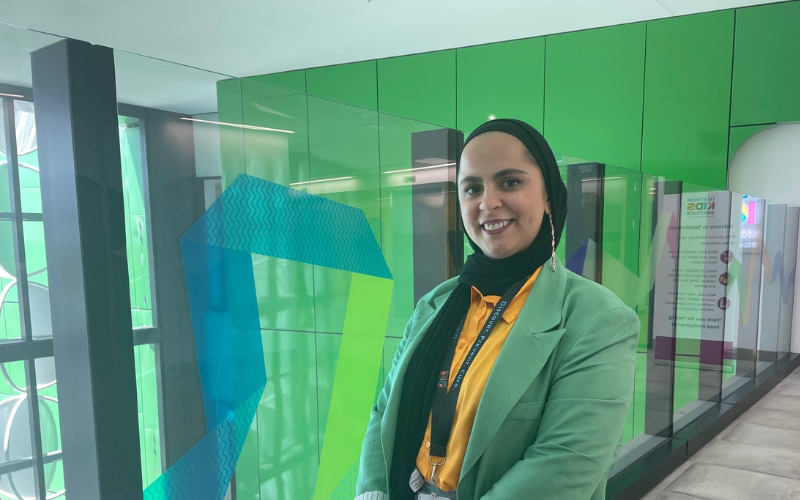
The Wal-yan Respiratory Research Centre this month welcomed new PhD scholarship awardee Yaqin Alziyadat, whose exciting research work will support the Centre’s vision to ensure all children have healthy lungs for life.
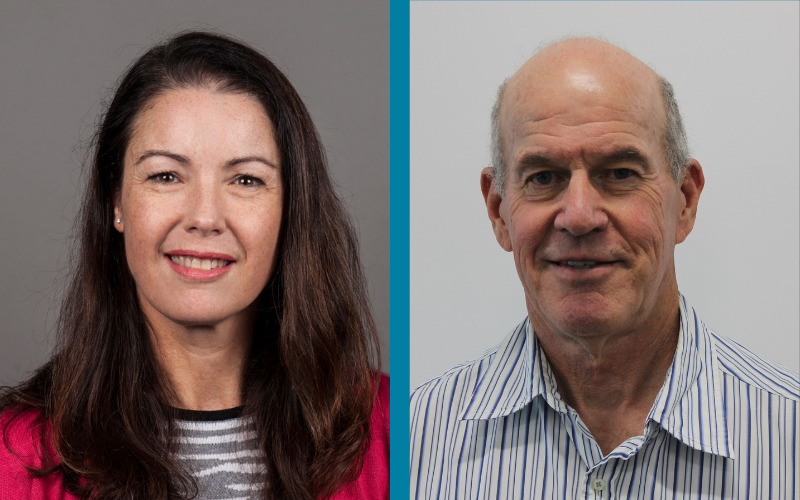
Research focussed on identifying which children will develop asthma, and developing more specific asthma treatments, has been supported by the National Health and Medical Research Council’s (NHMRC) Ideas Grants announced by the Federal Government on 14 December 2022.
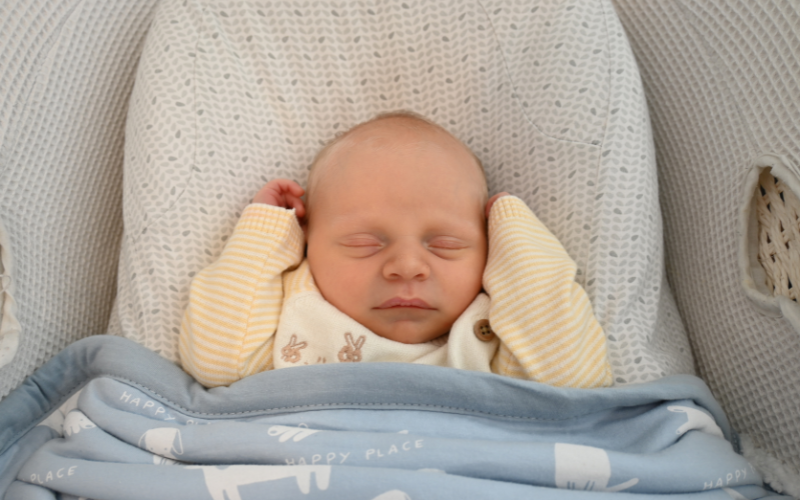
The AERIAL study, in partnership with The ORIGINS Project, endeavours to understand if exposures during pregnancy and early life can affect the cells lining the airways in newborns, and whether this is associated with the development of wheeze, allergy and asthma later in childhood.
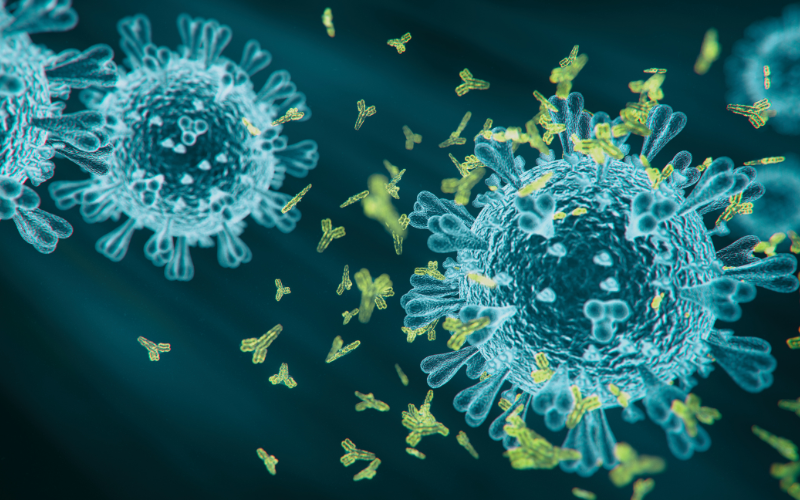
Results of an innovative clinical trial led by Perth researchers have shown that the drug interferon could help reduce the spread of COVID-19 from a positive person to their household contacts, with the study helping to inform treatment options for a future pandemic.