
Search
Energy drinks (EDs) are not recommended for minors' consumption due to a myriad of health risks, but marketing initiatives persist. This study explored the promotion of EDs on TikTok, a platform frequented by children and adolescents.
The majority of Australian children exceed the World Health Organization's recommended dietary intake of free sugar, particularly through the consumption of sugar-sweetened beverages. Front-of-pack nutrition labels increase perceived risk and deter the consumption of sugar-sweetened beverages.
Concerns persist regarding the potential long-term effects of general anaesthesia on brain development in children. This narrative review summarises recent preclinical and clinical evidence (2019-25) and updates consensus messages.
Exposure to food advertising is associated with consumption. Globally, most outdoor food advertisements feature unhealthy foods or beverages. As Australian local government areas begin developing restriction policies, the feasibility of applying nutrient-based Nutrition Classification Systems to outdoor advertising requires evaluation.

An InFocus Research Interview with Kirsten Hancock of the Human Capability Team at The Kids Research Institute Australia on multigenerational disadvantage in Australia.
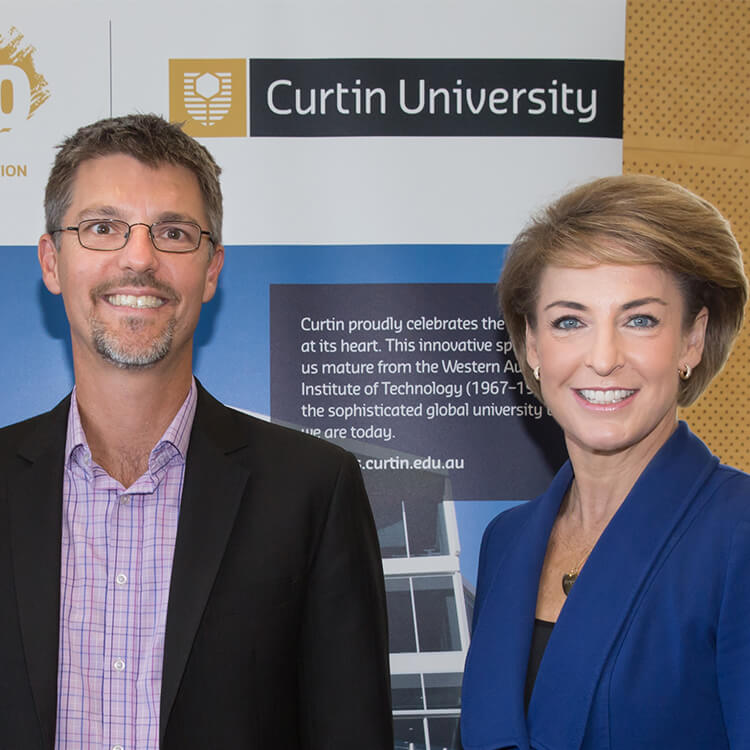
The Kids Research Institute Australia researchers have been awarded more than $8 million in prestigious project grants from the NHMRC.
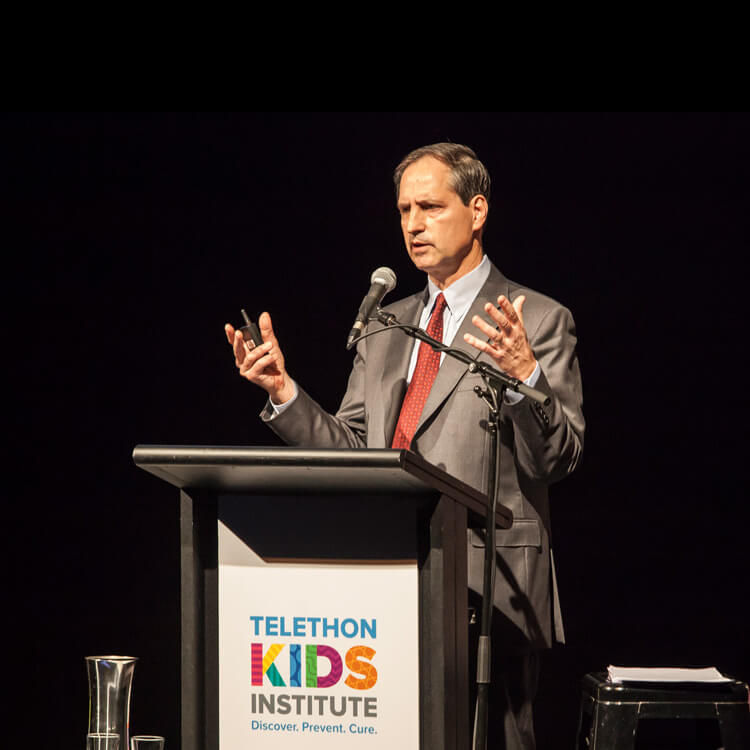
Professor Bloom used his time to make a powerful case for the idea that 'healthier means wealthier' at the The Kids Annual Community Lecture for 2017
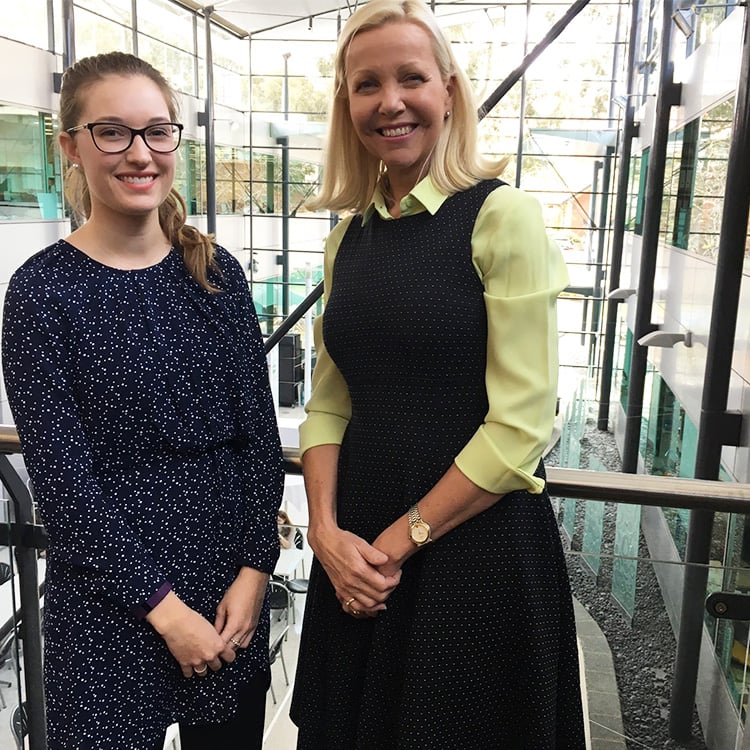
Curtin University researcher Belinda Cuomo is one of the first recipients of a CoLab Top-Up Scholarship.
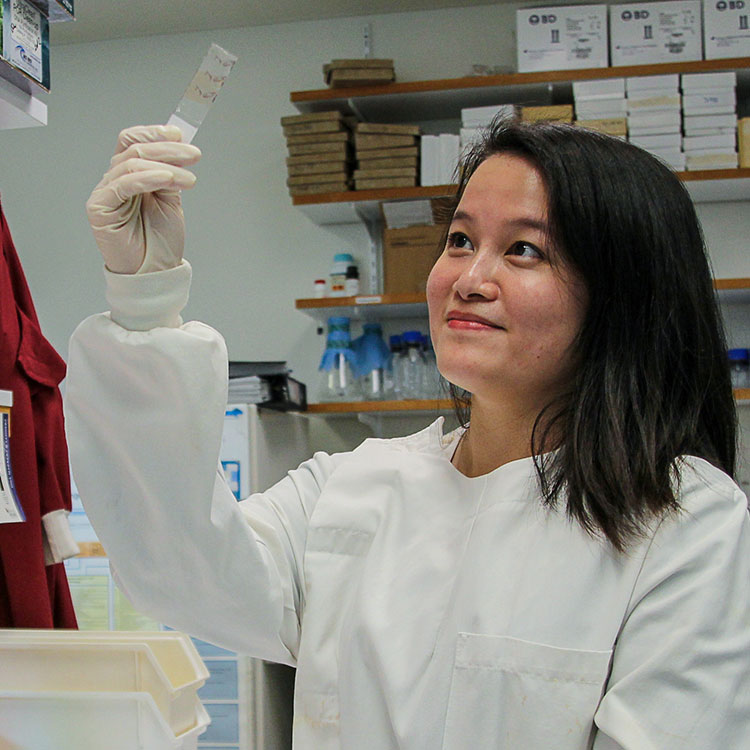
The Kids Research Institute Australia researchers have been awarded five of eight State Government awards designed to help cover the hidden costs of conducting research.

New research has found children who are born even slightly premature or underweight are more likely to be hospitalised with an infection during their childhood