
Search
Mycobacteroides abscessus (MABS) is within the non-tuberculous mycobacteria family. It inhabits soil and water, exhibits multi-antibiotic resistance and causes opportunistic lung infections, which may progress to symptomatic MABS-pulmonary disease (MABS-PD) associated with substantial morbidity, increased healthcare utilisation, impaired quality of life and increased mortality.
The identification of a COPD etiotype associated with preterm birth (COPD-developmental) has expedited calls for intervention strategies that may improve health outcomes for survivors of preterm birth (<37 weeks' gestation). Pulmonary-rehabilitation style training interventions achieve physiological and symptom improvement in older people with COPD, but whether similar training interventions are suitable for young people is unclear. We sought to understand the perceived need and requirements of an exercise training intervention for children, adolescents and adults born preterm.
Early life is a key period that determines long-term health. Lung development in childhood predicts lung function attained in adulthood and morbidity and mortality across the life course. We aimed to assess the effect of early-life lower respiratory tract infection (LRTI) and associated risk factors on lung development from birth to school age in a South African birth cohort.
Many survivors of preterm birth will have abnormal lung development, reduced peak lung function and, potentially, an increased rate of physiological lung function decline, each of which places them at increased risk of chronic obstructive pulmonary disease across the lifespan.
Community sport coaches in Western Australia lack an understanding, the confidence, and knowledge in supporting young people with Type 1 diabetes (T1D). This study aims to identify what T1D educational resources are required to upskill coaches in Western Australia.
One of the most traumatic injuries a child can experience is a severe burn. Despite improvements in medical treatments which have led to better physical outcomes and reduced mortality rates for paediatric burns patients, the psychological impact associated with experiencing such a traumatic injury has mostly been overlooked. This is concerning given the high incidence of psychopathology amongst paediatric burn survivors.
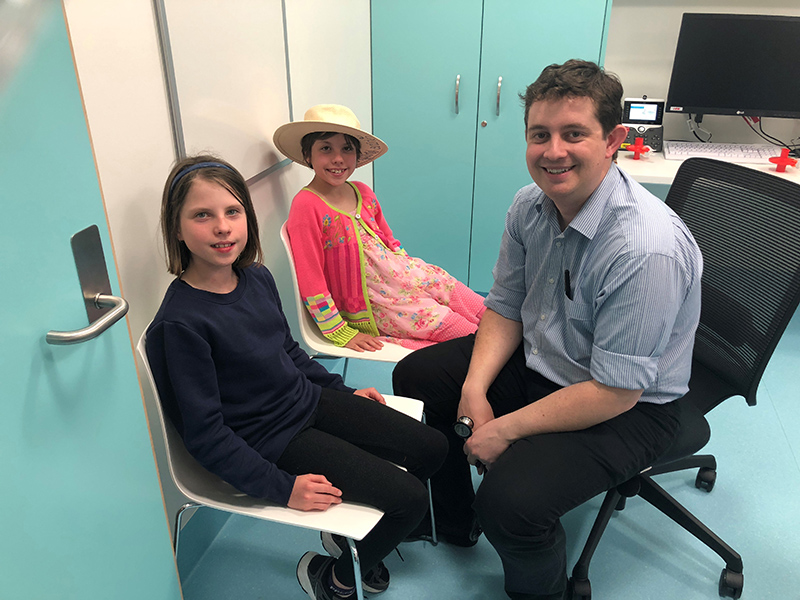
The Kids Research Institute Australia researchers are investigating whether a simple urine test could predict whether young children with wheezing symptoms will go on to develop asthma.
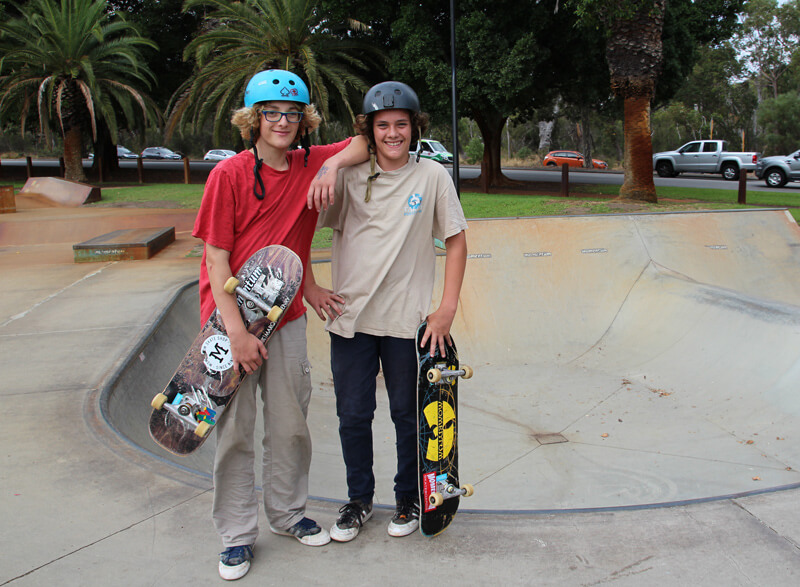
When Samuel and James Considine were born in October 2003, perilously close to what the medical world describes as the limit of viability, each weighed just 700 grams and could fit into the palm of their father’s hand.
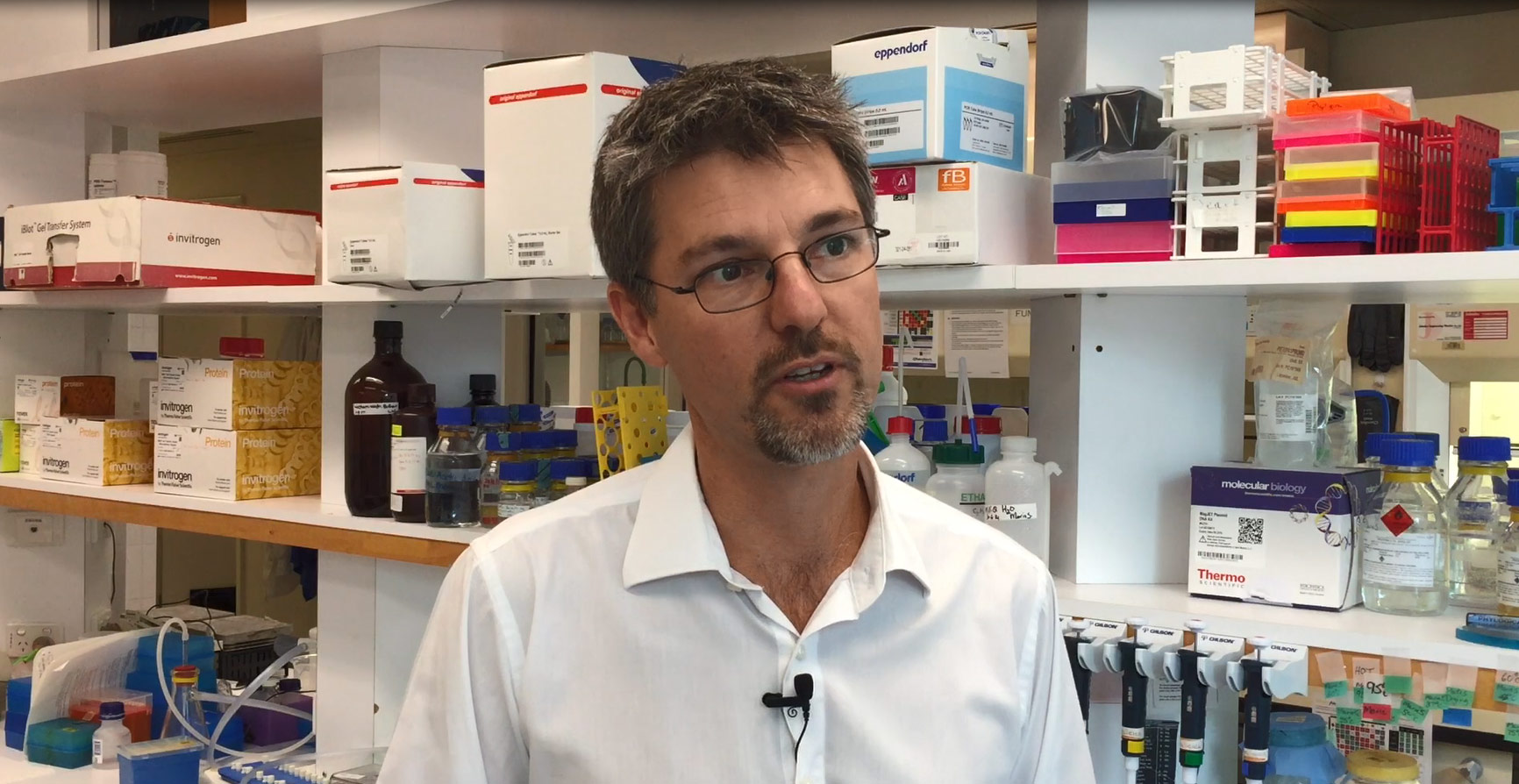
Asthma affects about half a million Australian children and is one of the most common reasons why kids need to see a doctor or go to emergency.
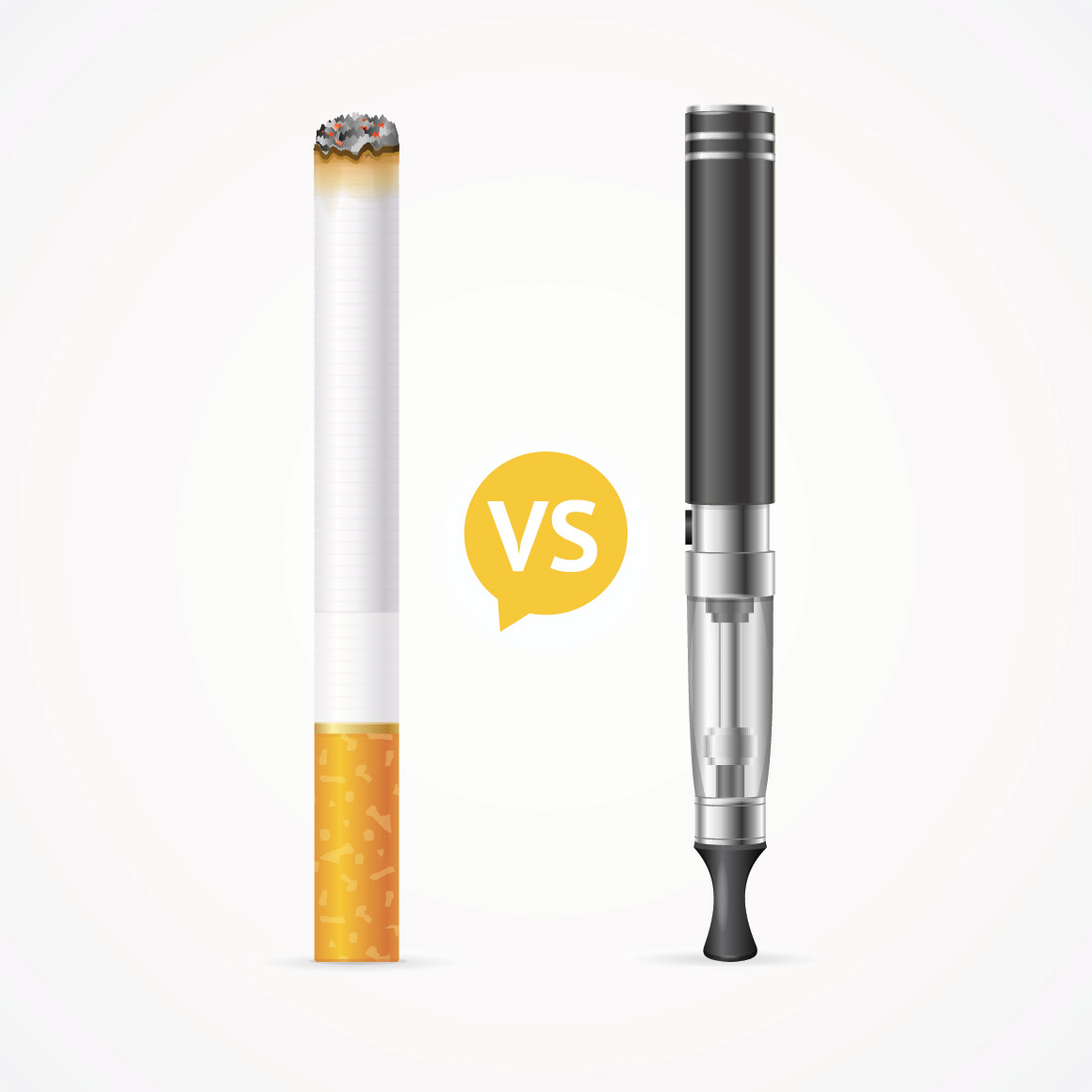
A study led by researchers at The Kids Research Institute Australia has shown that electronic cigarettes can cause lung damage.