
Search
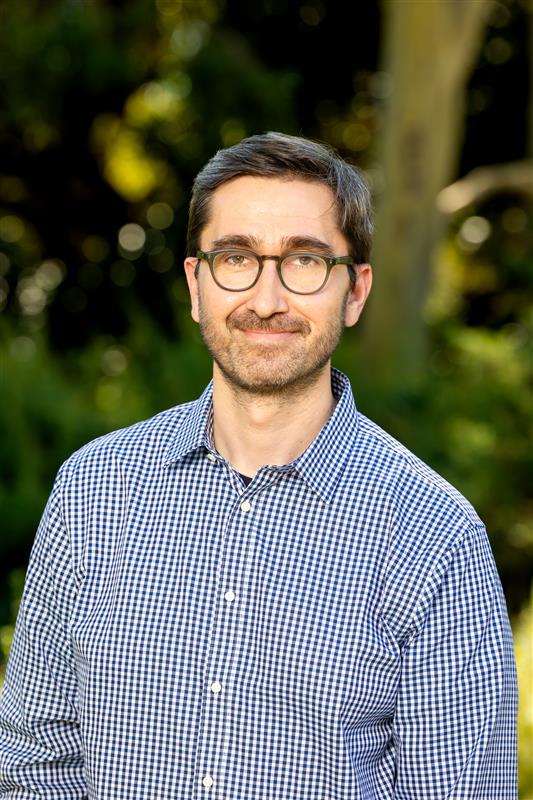
Mirko is a medically trained research-focused academic with a background in developmental psychology, psychometrics, and big data science. His research takes a life-span perspective and is driven by the urgent need to improve outcomes for people on the autism spectrum and with other neurodevelopmental and neuropsy
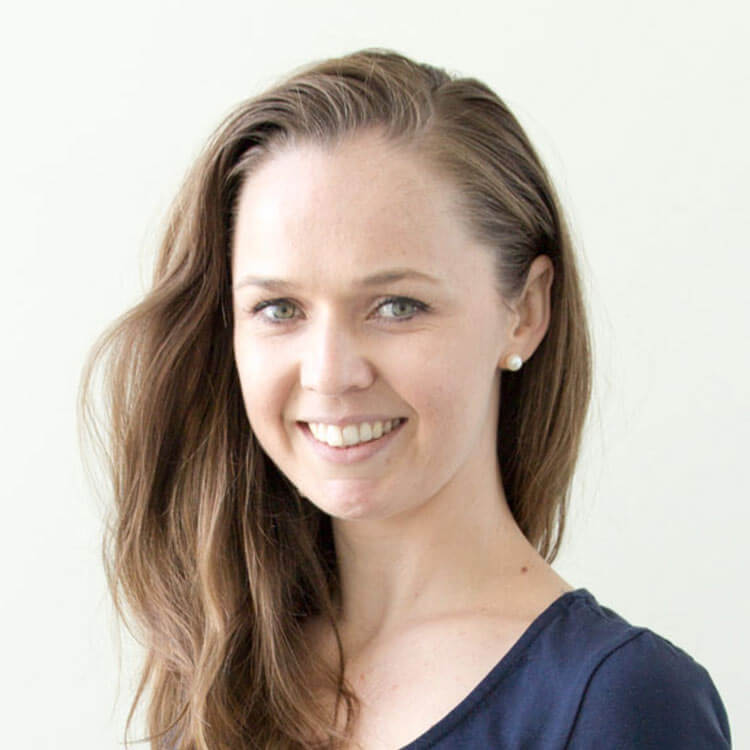
Senior Research Fellow
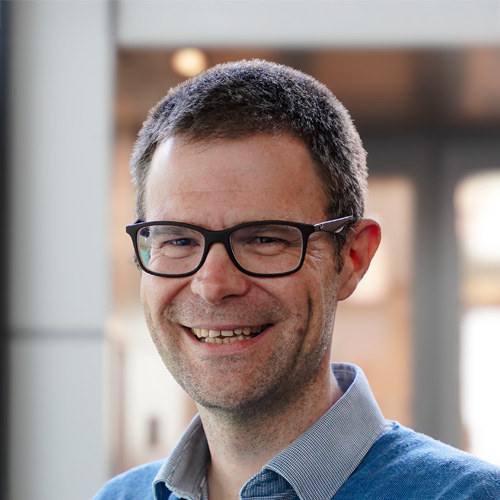
Deputy Director (Research); Angela Wright Bennett Professor of Autism Research at The Kids Research Institute Australia; Director, CliniKids
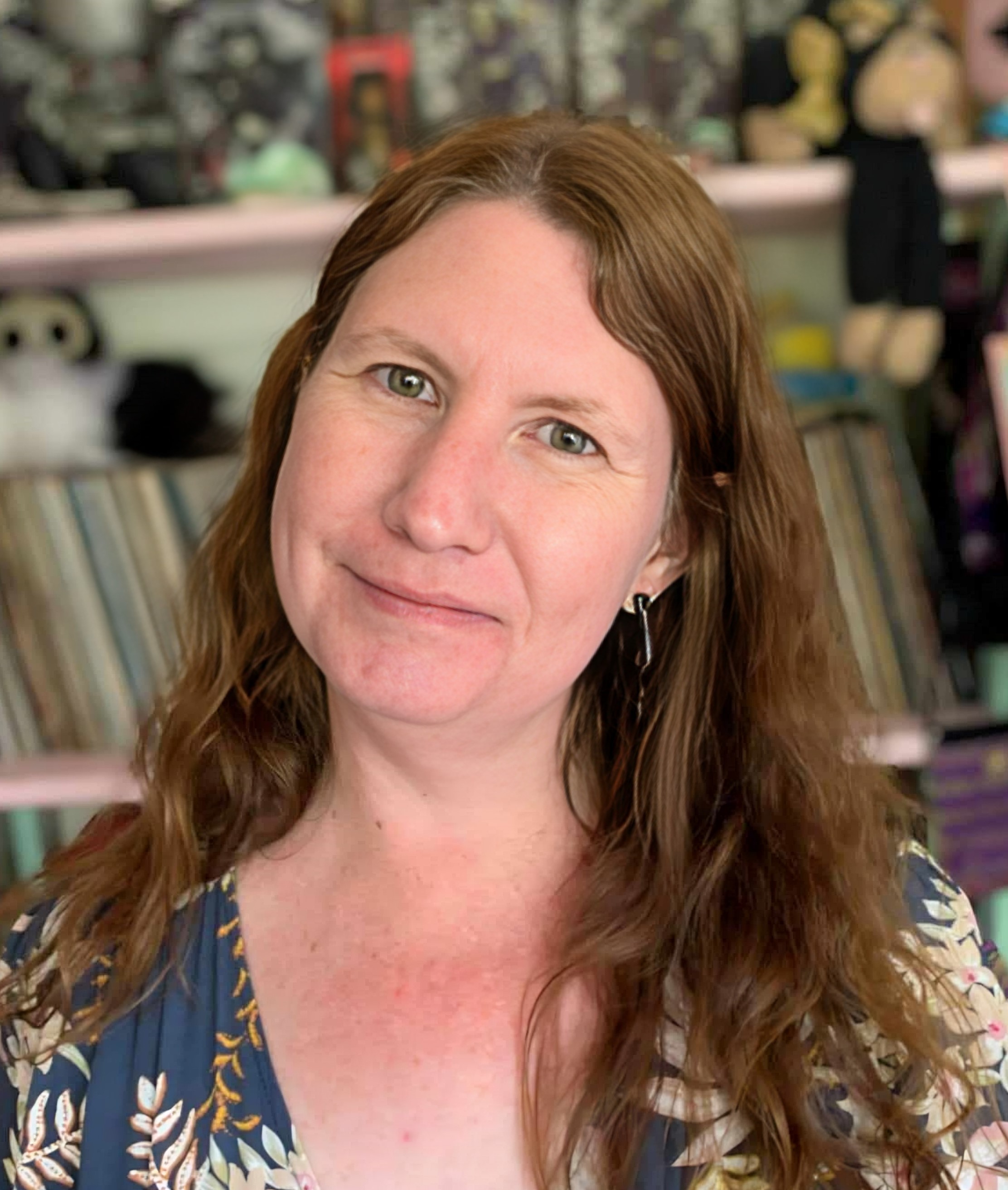
Rachelle Wicks is a Research Fellow at CliniKids.
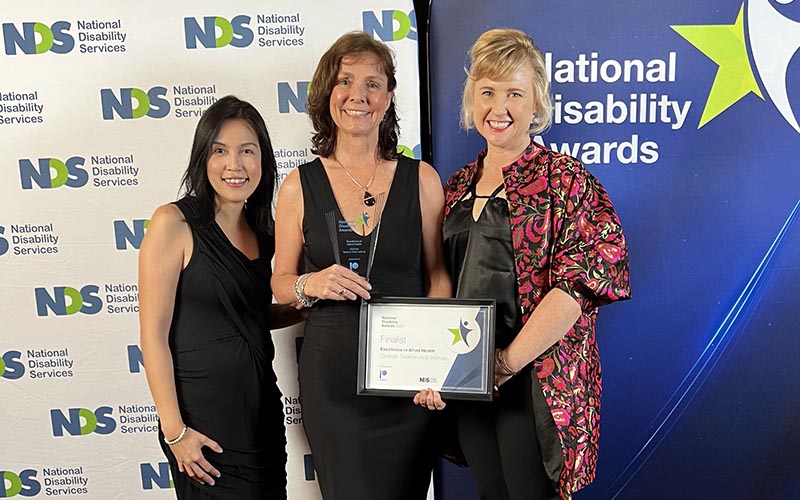
CliniKids has won the Excellence in Allied Health category at the inaugural National Disability Awards, announced in Melbourne tonight.
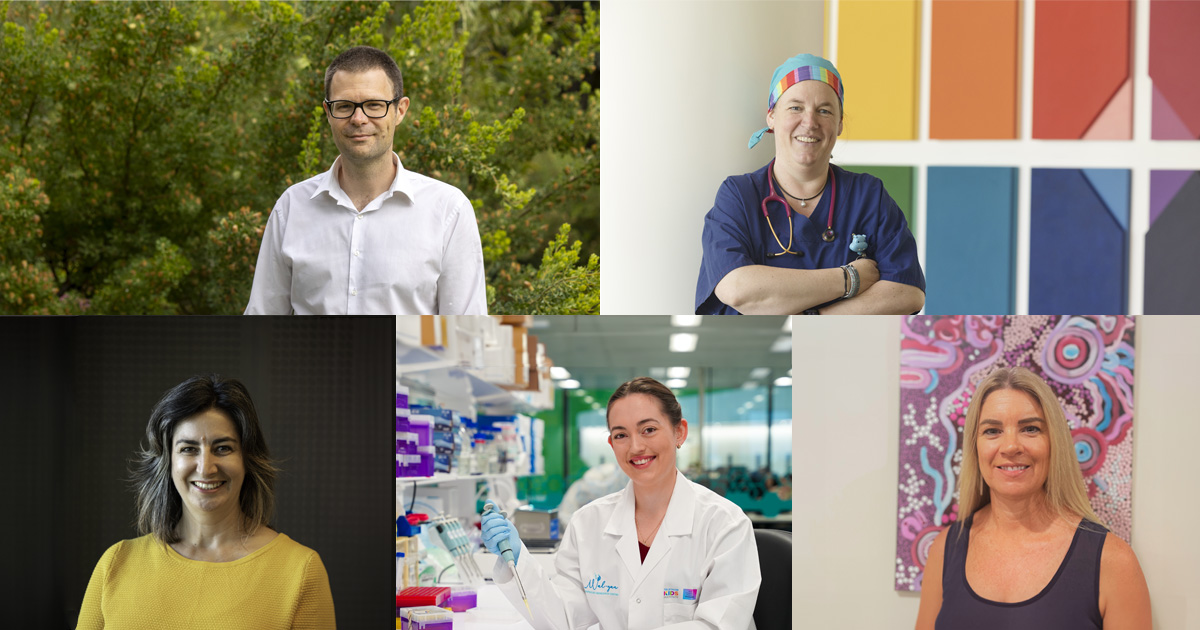
Five The Kids Research Institute Australia researchers working across diverse and highly impactful areas of child health research have been named as finalists for the 2023 Premier’s Science Awards.
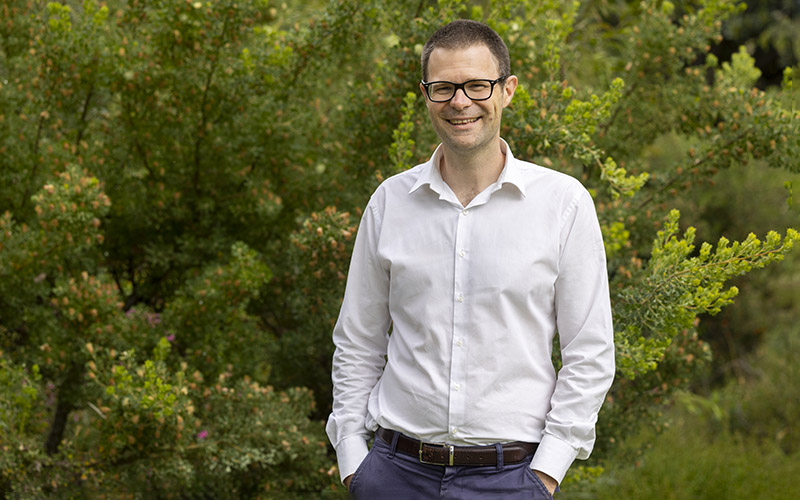
Professor Andrew Whitehouse has been named a finalist in the 2023 Western Australian of the Year Awards for his work in transforming clinical support for autistic children in Australia.
Prenatal testosterone may have a powerful masculinizing effect on postnatal physical characteristics.
While autism spectrum disorder (ASD) and specific language impairment (SLI) have traditionally been conceptualized as distinct disorders, recent findings...
This study tested the 'Extreme Male Brain' theory & androgyny accounts of Autism spectrum disorder.