
Search
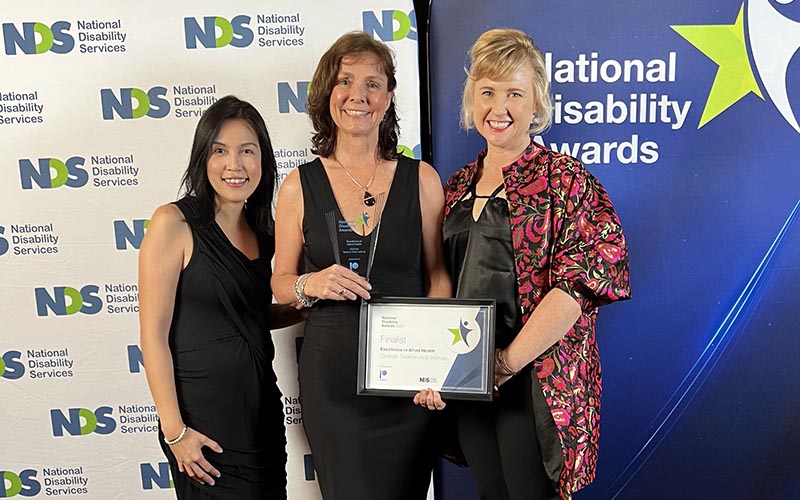
CliniKids has won the Excellence in Allied Health category at the inaugural National Disability Awards, announced in Melbourne tonight.
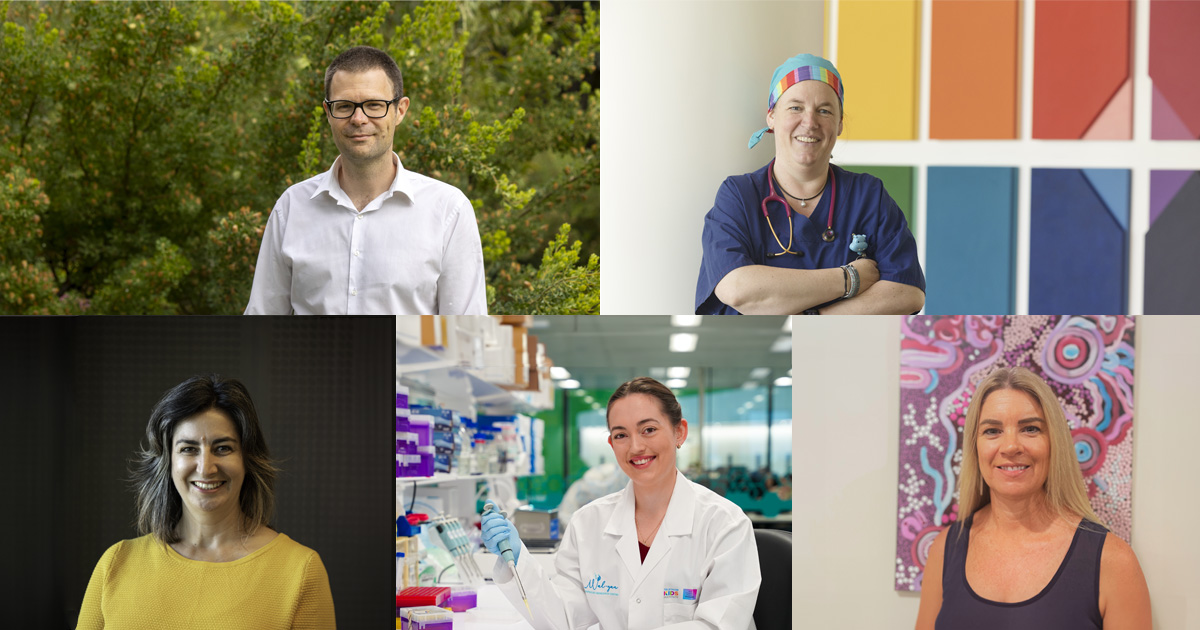
Five The Kids Research Institute Australia researchers working across diverse and highly impactful areas of child health research have been named as finalists for the 2023 Premier’s Science Awards.
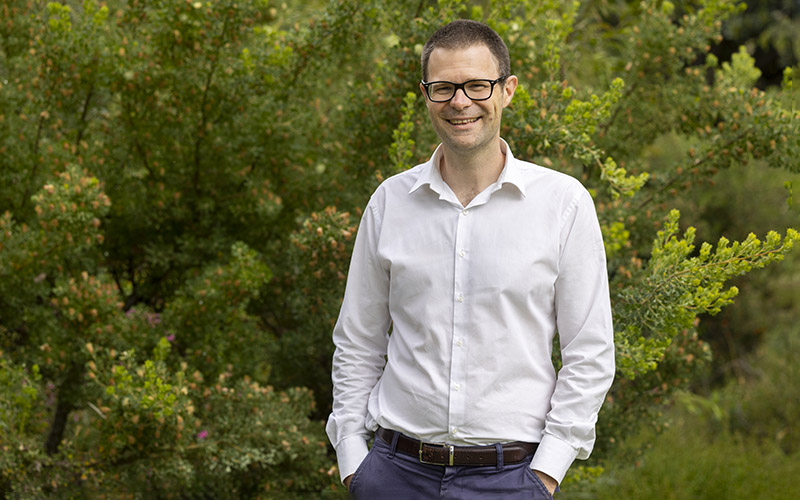
Professor Andrew Whitehouse has been named a finalist in the 2023 Western Australian of the Year Awards for his work in transforming clinical support for autistic children in Australia.
Research conducted by this laboratory has previously published four papers examining the relationship between maternal psychiatric disorders and having a...
This study adds to existing evidence that the rate of pre-existing psychiatric disorders in mothers of children with autism spectrum disorder is higher than...
While autism spectrum disorder (ASD) and specific language impairment (SLI) have traditionally been conceptualized as distinct disorders, recent findings...
This study tested the 'Extreme Male Brain' theory & androgyny accounts of Autism spectrum disorder.
Understanding how and why these disorders co-occur has important implications for diagnosis, treatment, and prognosis, as well as for developing fundamental...
The current data provide support for Bejerot et al.'s androgyny account since males and females with high levels of autistic-like traits generally showed...
The MACROD2 gene is a strong positional candidate risk factor for autistic-like traits in the general population