Search
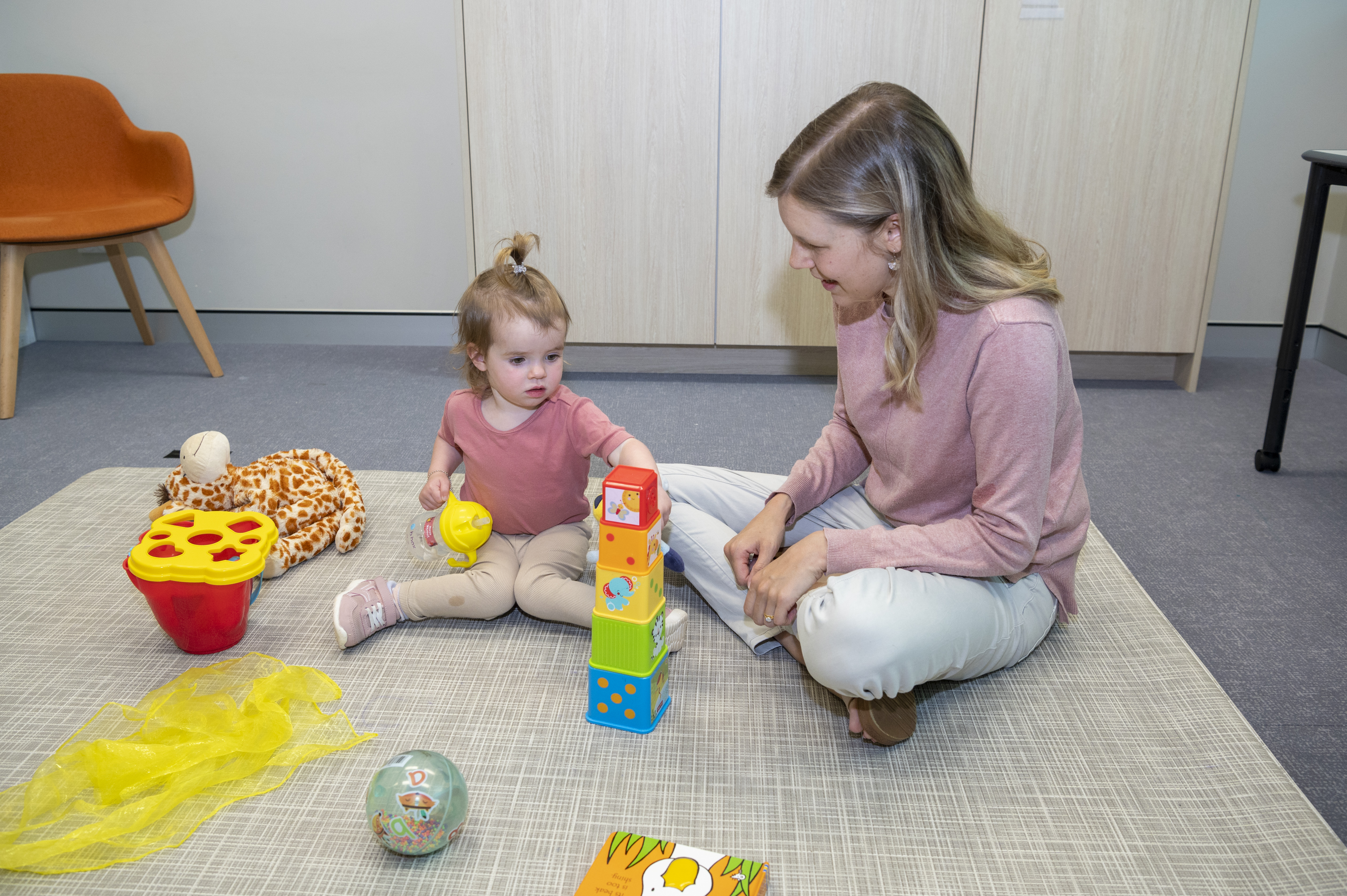
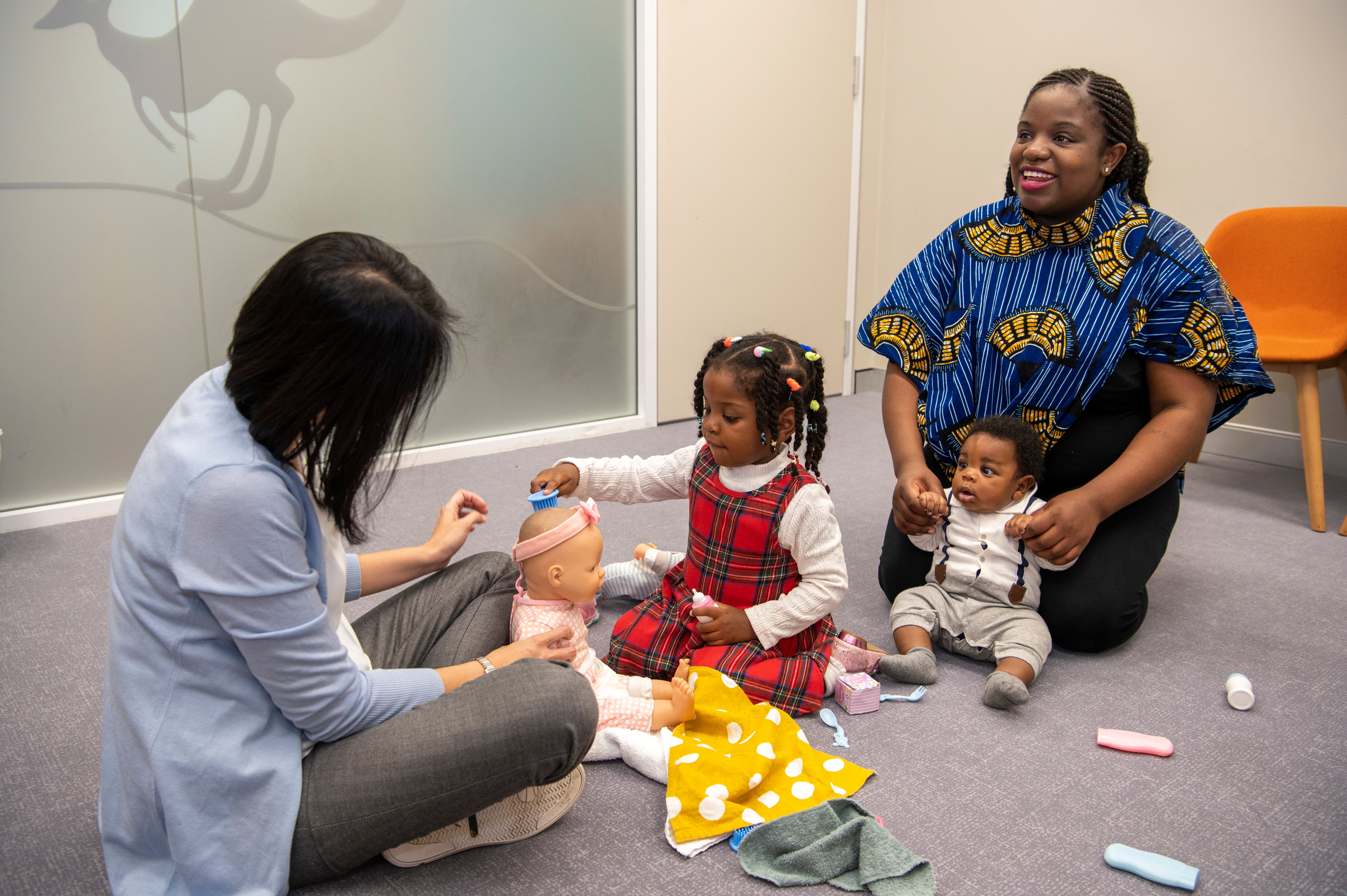
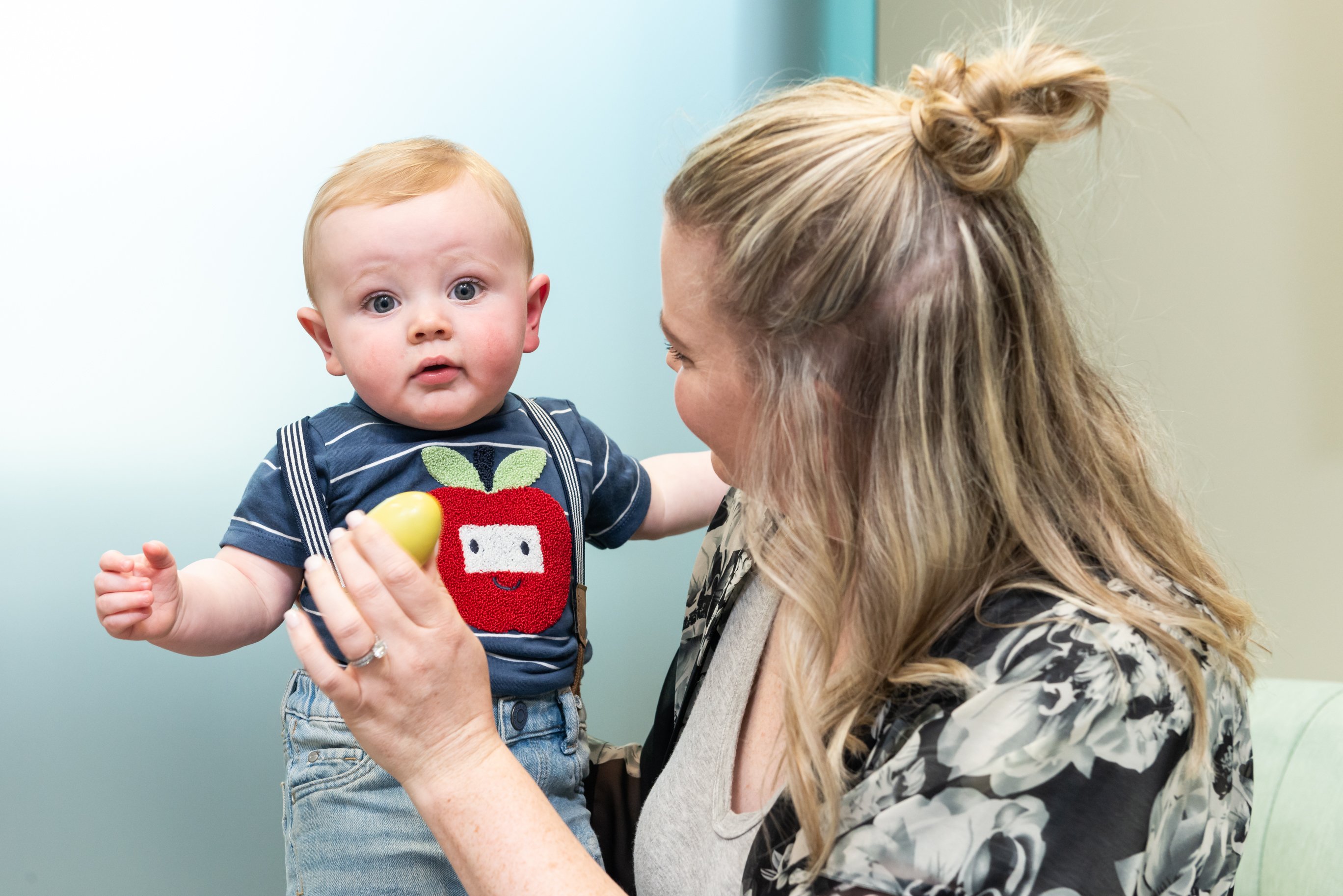
Early parent-child interactions have a critical impact on the developmental outcomes of the child. It has been reported that infants with a family history of autism and their parents may engage in different patterns of behaviours during interaction compared to those without a family history of autism. This study investigated the association of parent-child interactions with child developmental outcomes of those with typical and elevated likelihood of autism.
Autism spectrum disorders are complex, with a strong genetic basis. Genetic research in autism spectrum disorders is limited by the fact that these disorders are largely heterogeneous so that patients are variable in their clinical presentations. To address this limitation, we investigated the genetics of individual dimensions of the autism spectrum disorder phenotypes, or autistic-like traits. These autistic-like traits are continuous variations in autistic behaviours that occur in the general population.
Children with neurodevelopmental disorders share common phenotypes, support needs and comorbidities. Such overlap suggests the value of transdiagnostic assessment pathways that contribute to knowledge about research and clinical needs of these children and their families.
Emerging research suggests that seeking an autism diagnosis as an adult is usually difficult and time-consuming but brings relief once a diagnosis is made. This study explored the experience of the pathway to an autism diagnosis during adulthood for adults living in Australia.
Autism and attention-deficit/hyperactivity disorder (ADHD) often co-occur. This survey of 288 New Zealand parents of children diagnosed with autism, ADHD, or both conditions, examined the relations between age of diagnosis and early atypical development, the age specialist consultation was needed and types of specialists seen.
This systematic review aimed to identify the most important social, environmental, biological, and/or genetic risk factors for intellectual disability.
Children diagnosed with autism spectrum disorder may be at higher likelihood of experiencing poorer oral health and difficulties accessing dental health care. However, identifying which children on the autism spectrum may be more vulnerable to experiencing dental care difficulties is still unknown.
A balanced approach toward sun exposure and protection is needed by young people. Excessive sun exposure increases their risk for skin cancers such as melanoma, whereas some exposure is necessary for vitamin D and healthy bones. We have developed a new iOS smartphone app-Sun Safe-through a co-design process, which aims to support healthy and balanced decision-making by young teenagers (aged 12-13 years).
This article describes the development of a Model of Care resource to support youth involved with the justice system where a neurodevelopmental disability such as Fetal Alcohol Spectrum Disorder is suspected. Service staff within the Youth Justice sector were engaged in an iterative process of resource development over a 9-month period.
Parenting is a rewarding experience but is not without its challenges. Parents of Autistic children face additional challenges, and as a result can experience lower levels of wellbeing and more mental health problems (i.e., depression, anxiety, stress). Previous studies have identified concurrent correlates of wellbeing and mental health.