
Search

ORIGINS sub-projects that are currently inactive
RHINO researchers from The Kids' Wal-yan Respiratory Research Centre, will analyse ORIGINS data and turn it into meaningful respiratory and allergy outcome data that can be used by researchers around the world.
Pregnancy, childbirth, and motherhood can involve many new challenges.
With more than one in four Australian children overweight or obese, and the significant risks this poses for health problems like asthma, depression,...
Complementary feeding induces dramatic ecological shifts in the infant gut microbiota toward more diverse compositions and functional metabolic capacities, with potential implications for immune and metabolic health. The aim of this study was to examine whether the age at which solid foods are introduced differentially affects the microbiota in predominantly breastfed infants compared with predominantly formula-fed infants.
Psychological distress in the early postpartum period can have long-lasting deleterious effects on a mother's well-being and negatively affect her infant's development. Intervention approaches based in contemplative practices such as mindfulness and loving-kindness and compassion are intended to alleviate distress and cultivate well-being and can be delivered effectively as digital mental health interventions.
Evidence suggests consumption of a Mediterranean diet (MD) can positively impact both maternal and offspring health, potentially mediated by a beneficial effect on inflammatory pathways. We aimed to apply metabolic profiling of serum and urine samples to assess differences between women who were stratified into high and low alignment to a MD throughout pregnancy and investigate the relationship of the diet to inflammatory markers.
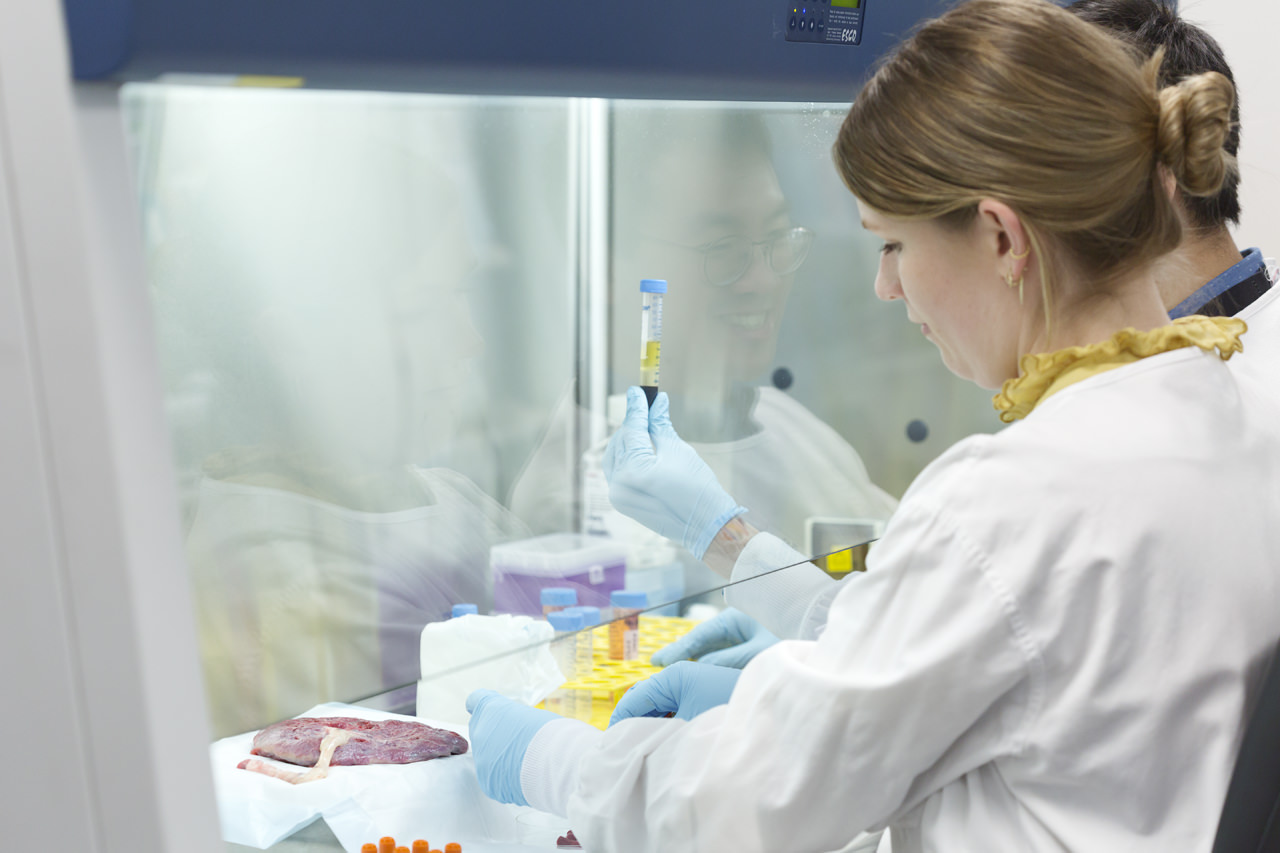
ORIGINS welcomes undergraduate, Honours, PhD, Masters, and Doctor of Medicine students, in addition to junior doctors or trainees wishing to undertake a research placement or project as part of their studies.
Early onset Non-Communicable Diseases (NCDs), including obesity, allergies, and mental ill-health in childhood, present a serious and increasing threat to lifelong health and longevity. The ORIGINS Project (ORIGINS) addresses the urgent need for multidisciplinary efforts to understand the detrimental multisystem impacts of modern environments using well-curated large-scale longitudinal biological sample collections.
Sugar-sweetened beverages (SSBs) account for a significant proportion of sugar in the diet of children and are directly associated with obesity in this group. While there have been many studies on adolescent SSB consumption, few studies have examined the predictors of SSB consumption in primary-school-aged children. The aim of this study was to understand the degree to which a child's consumption across a range of beverages is influenced by their own attitudes and by their parents' attitudes and parents' consumption behaviours.