Search
In Australia’s north, Aboriginal peoples live with world-high rates of rheumatic heart disease (RHD) and its precursor, acute rheumatic fever (ARF); driven by social and environmental determinants of health. We undertook a program of work to strengthen RHD primordial and primary prevention using a model addressing six domains: housing and environmental support, community awareness and empowerment, health literacy, health and education service integration, health navigation and health provider education.
Despite higher incidence of brain injury among Aboriginal compared with non-Aboriginal Australians, suboptimal engagement exists between rehabilitation services and Aboriginal brain injury survivors. Aboriginal patients often feel culturally insecure in hospital and navigation of services post discharge is complex.
Brain injury, resulting from stroke and traumatic brain injury, is a common occurrence in Australia, with Aboriginal people affected at a significant rate and impact felt by individuals, families and communities. Access to brain injury rehabilitation services for Aboriginal people is reported to be often limited, with very little support outside the hospital environment.
The purpose of this paper is to highlight a perspective for decolonizing research with Australian First Nations and provide a framework for successful and sustained knowledge translation by drawing on the recent work conducted by a research group, in five remote communities in North-Western Australia.
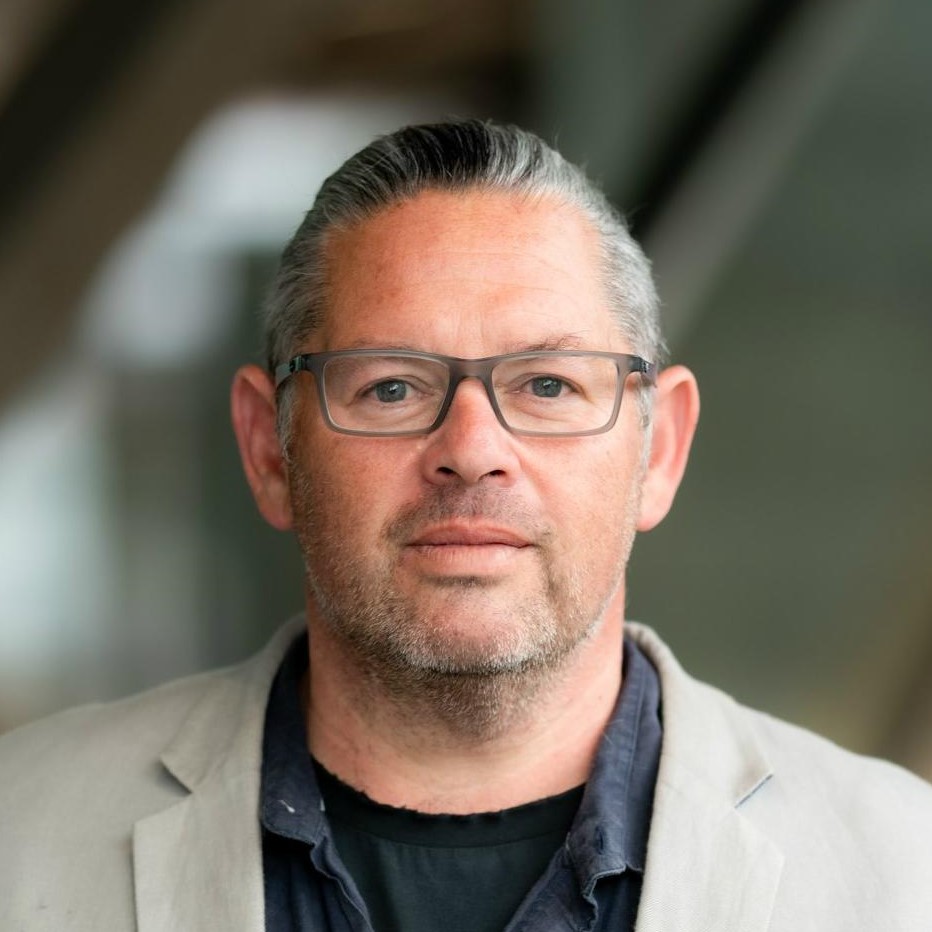
Glenn Martyn Pearson Symons BA (Education) PhD Candidate B.A. (Hons) PhD. Director of First Nations Strategy and Leadership; Head, First Nations
Aboriginal and Torres Strait Islander peoples in Australia have an inequitable burden of acute rheumatic fever (ARF) and rheumatic heart disease (RHD), concentrated among young people and necessitating ongoing medical care during adolescence. There is an unmet need for improved well-being and support for these young people to complement current biomedical management.
It is critical that health service evaluation frameworks include Aboriginal people and their cultural worldviews from design to implementation. During a large participatory action research study, Elders, service leaders and Aboriginal and non-Aboriginal researchers co-designed evaluation tools to test the efficacy of a previously co-designed engagement framework. Through a series of co-design workshops, tools were built using innovative collaborative processes that foregrounded Aboriginal worldviews.
This article considers the role of governance in Indigenous medical education research through the lens of an Australian Aboriginal research project titled Healing Conversations. The Healing Conversations project is developing and testing a targeted educational framework for improved clinical communication between healthcare practitioners and Australian Aboriginal peoples in regional and urban locations. It is proposed that an effective governance approach can support Indigenous and non-Indigenous stakeholders to work together in decision-making structures to enable outcomes that promote and prioritise Indigenous worldviews and values in medical education research.
The emerging literature on desistance (and recovery from addictions) has focused on key life-course transitions that can be characterised as the need for jobs (meaningful activities), friends (transitioning to pro-social) and houses (a home free from threat). The term ‘recovery capital’ is used to characterise personal, social and community resources an individual can draw upon to support their recovery, partly bridging agentic (personal) and structural (community) factors.
The Australasian guidelines recommend use of the CHA2 DS2 -VA schema to stratify ischaemic stroke risk in patients with non-valvular atrial fibrillation (N-VAF) and determine risk thresholds for recommending oral anticoagulant (OAC) therapy. However, the CHA2 DS2 -VA score has not been validated in a representative Australian population cohort with N-VAF, including in Aboriginal people who are known to have a higher age-adjusted stroke risk than other Australians.