
Search
Respiratory Syncytial Virus (RSV) is one of the most common reasons babies are admitted to hospital – with Aboriginal and preterm infants at greatest risk.
Christopher Asha Blyth Bowen MBBS (Hons) DCH FRACP FRCPA PhD BA MBBS DCH FRACP PhD GAICD FAHMS OAM Centre Head, Wesfarmers Centre of Vaccines and
Investigators: Kefyalew Alene, Archie Clements External collaborators: Kerri Viney, Dr Darren J Gray (Australian National University) Zuhui Xu (
The mission of SAVAC, the Strep A Vaccine Global Consortium, to ensure that safe, effective and affordable Strep A vaccines are available and implemented to decrease the burden of Strep A disease in the most in need.

A The Kids researcher focused on ensuring kids are protected from infectious diseases will be named among WA’s most outstanding young scientists at the upcoming 2021 Young Tall Poppy Science Awards.
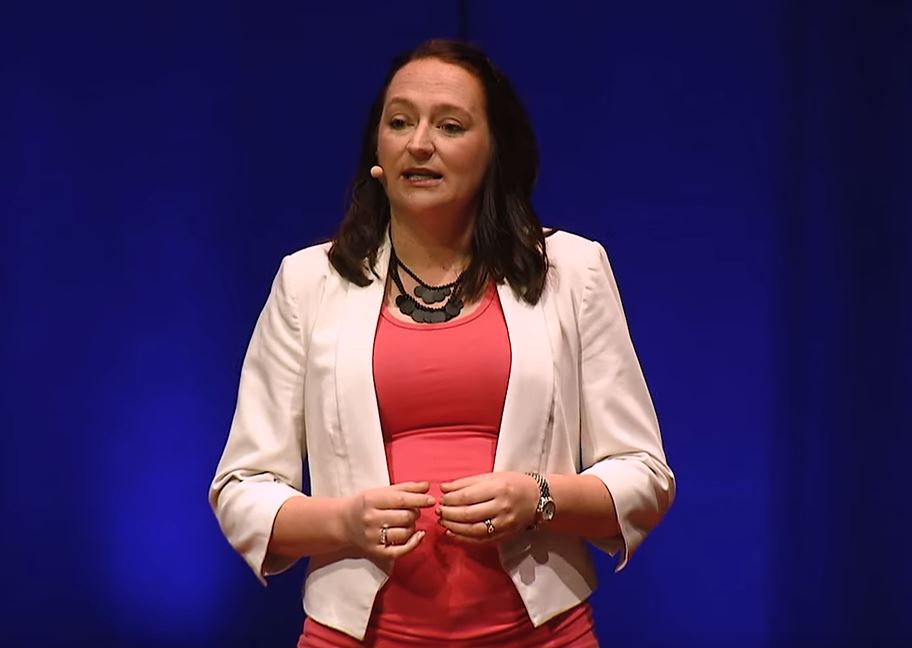
Dr Hannah Moore was one of WA’s brightest minds chosen to speak at TEDX Perth in November last year, presenting her insights into the power of data in fighting infectious diseases to a sold-out crowd at the Perth Concert Hall.
Hannah Huong Christopher Moore Le Blyth OAM BSc (Hons) GradDipClinEpi PhD MA (Dev. Econ), MA (App. Stats), PhD (Econ) MBBS (Hons) DCH FRACP FRCPA PhD
The burden of hepatitis C virus (HCV) infection often falls disproportionately on migrant populations within high-income countries. Differences in health literacy, language, comorbidities, and HCV genotype may influence HCV natural history.
The COVID-19 pandemic drove the implementation of vaccine mandates to protect spaces and/or increase vaccine uptake, though their design, timing, and scope varied across jurisdictions. This study examines the associations of vaccine mandate announcements and removals with COVID-19 vaccine uptake in France, Italy, and California (USA).
Two RSV immunisations products: a maternal vaccine, Abrysvo, and a long-acting monoclonal antibody, nirsevimab, both designed to prevent RSV illness in infants, have recently become available. Modelling evidence is required to inform how to optimally use these products in immunisation programs to reduce the burden of RSV in young children.