
Search
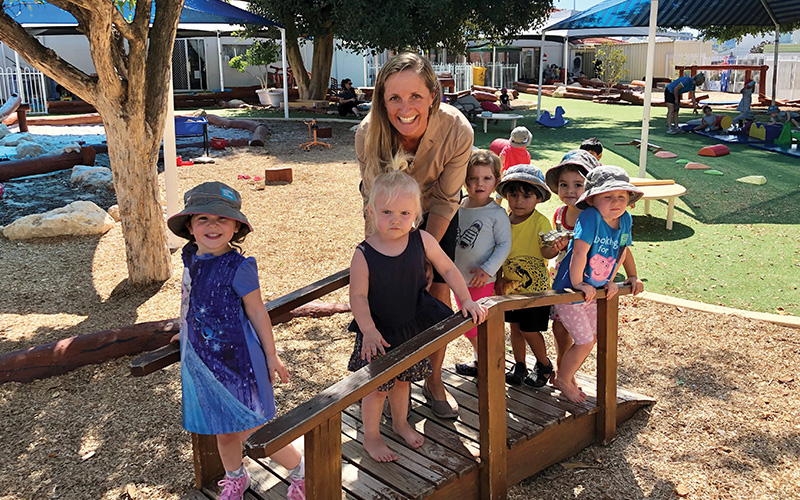
Not too long ago, if you had mentioned physical activity to educators at the Sonas Early Learning & Care centres run by Shelley Prendergast, they would automatically have reached for the trusty old obstacle course.
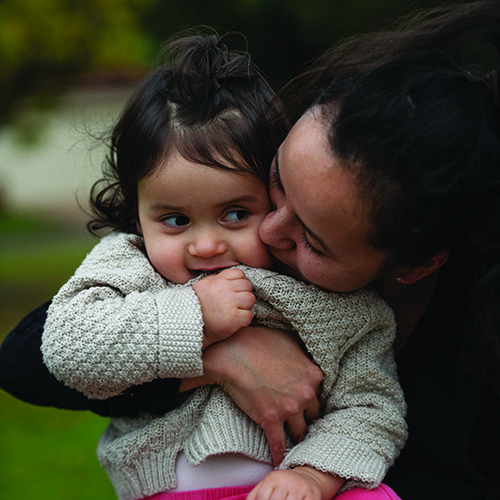
Patricia Ilchuk can still recall the day in August 2020 when her daughter Manna – then five weeks old – had her first seizure.
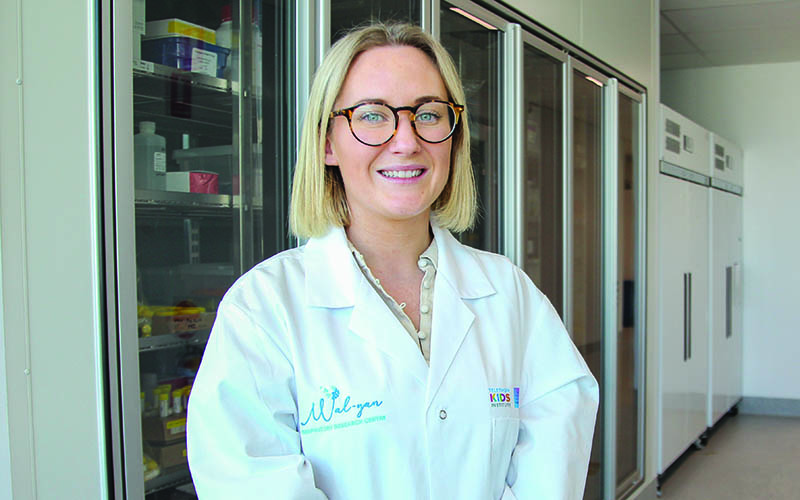
Researchers have made a world-first discovery on how to prevent severe respiratory infections in babies.
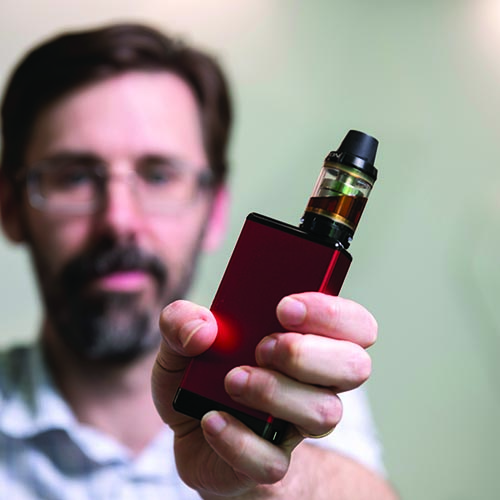
Research into the potential health impacts of vaping is starting to back up concerns that electronic cigarettes (e-cigarettes) are not as benign as many people think.
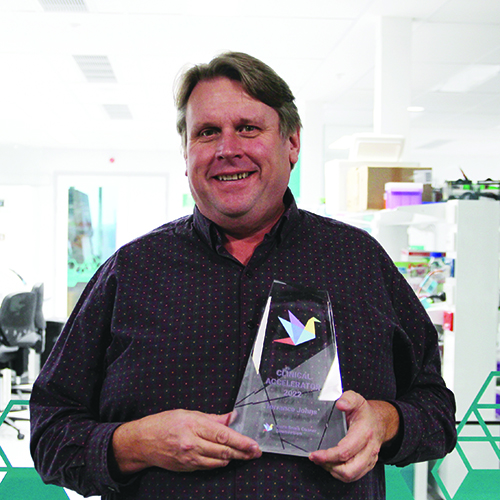
WA Kids Cancer Centre is leading the charge to find innovative new treatments that will allow doctors to ‘dial down’ the amount of toxic treatments needed to fight cancer.
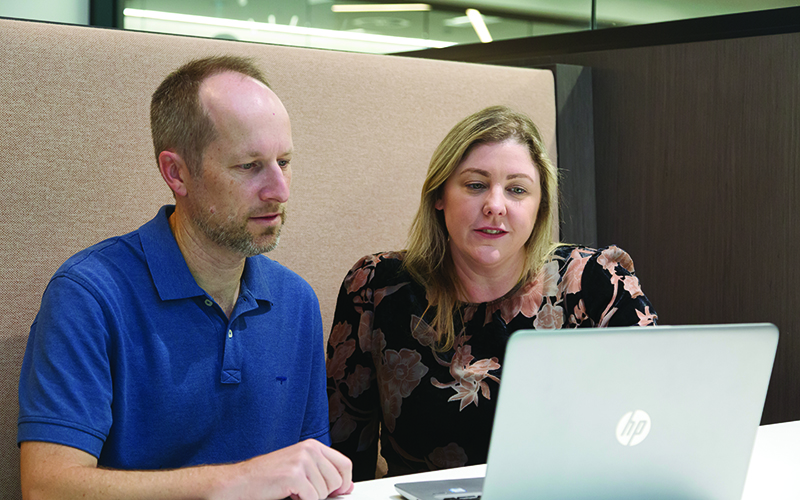
An interactive Child Development Atlas is giving policymakers, planners and services easy access to important data about the health and wellbeing of WA families.
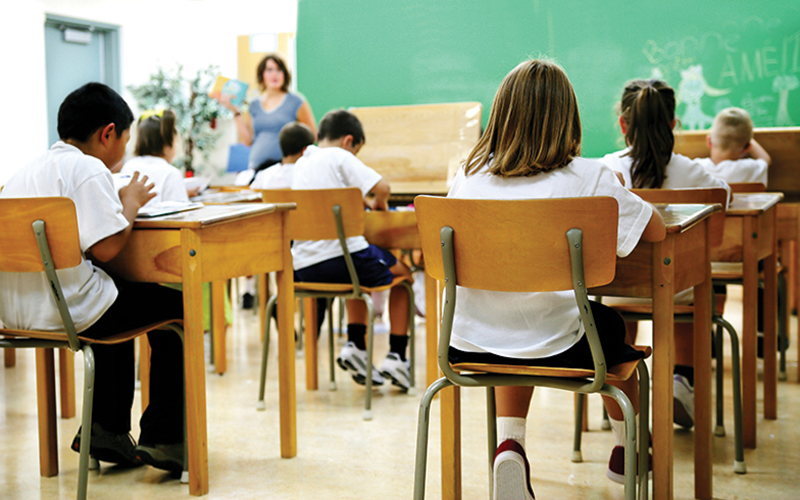
One third of Australia’s children will be better supported at school, thanks to a The Kids Research Institute Australia evidence review of what works best to support student behaviour needs.
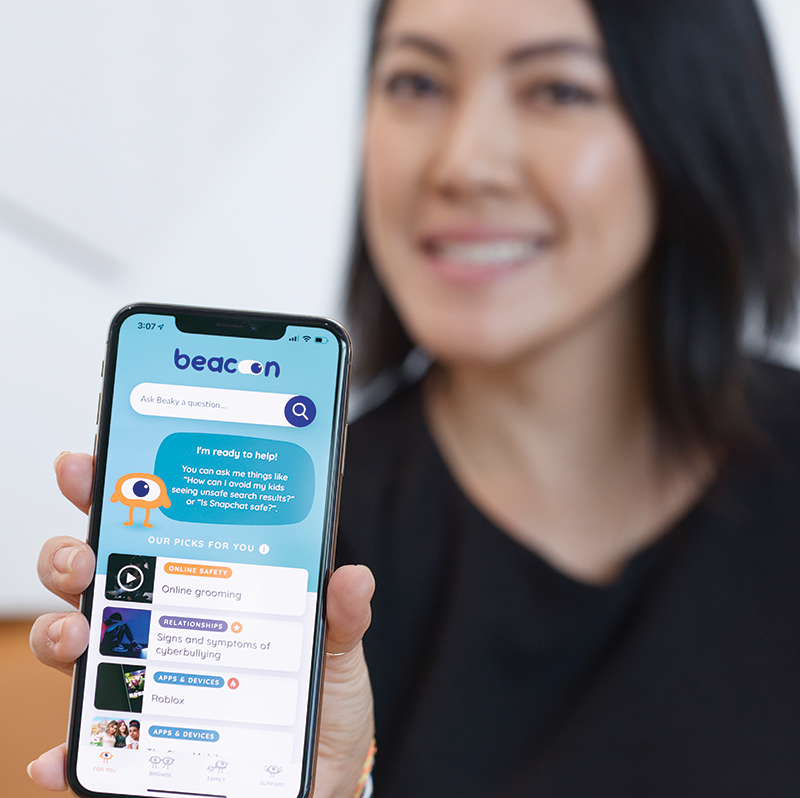
Parents, carers and educators have embraced an innovative tool in the battle to keep kids safe online - Beacon, an Australia-first, evidence-based cyber safety app.
Findings from the Banksia Hill Project revealed 89% of young people in detention who were assessed as part of the project had at least one form of severe neurodevelopmental impairment.
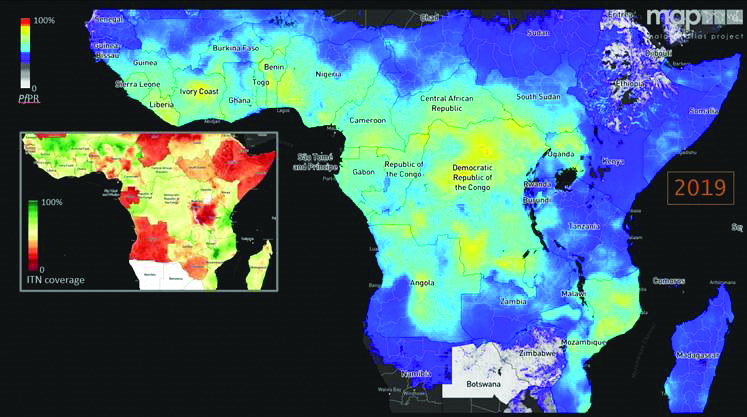
A global network of researchers led by Kerry M Stokes Chair of Child Health, Professor Pete Gething, is working to help support informed decision-making for malaria control at international, regional and national scales.