
Search

One of the unique aspects of CliniKids is the integration of clinical services with cutting-edge research. Our exceptional team of researchers work in collaboration with our clinicians to give the community access to the world's best evidence-based therapies.
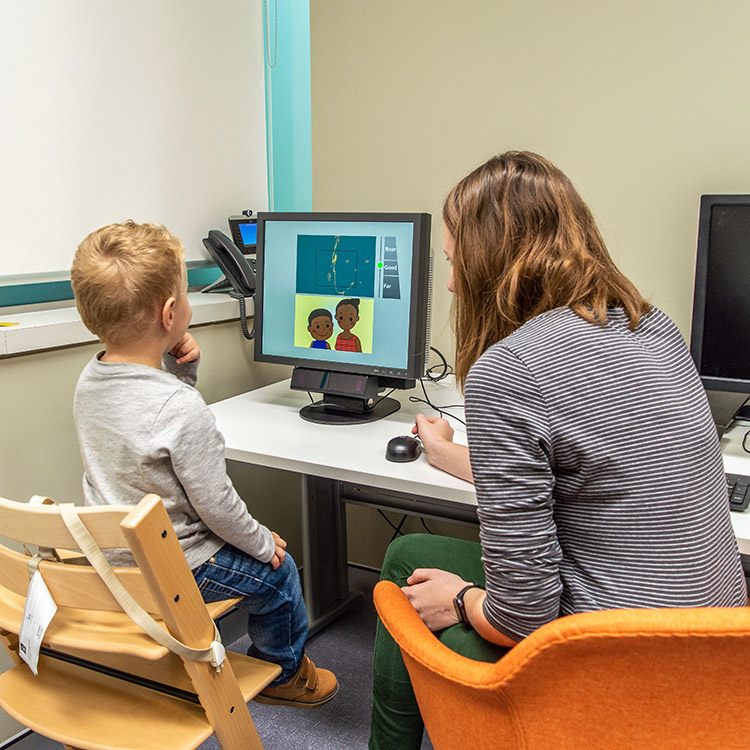
Our families have the opportunity to be involved in autism research conducted at CliniKids.
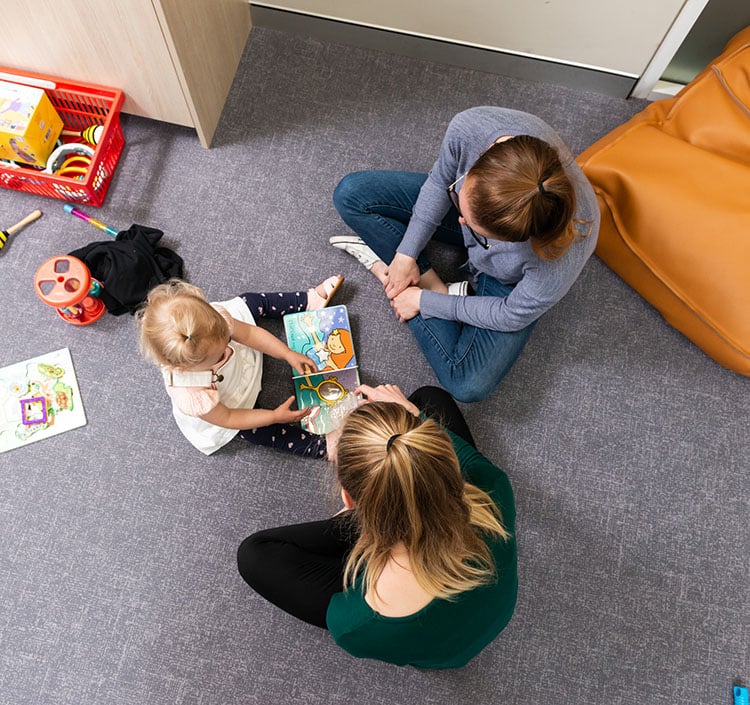
Get involved in a real-life research project
Find out about many of our previous research studies and trials, and those that are ongoing but are no longer recruiting participants.
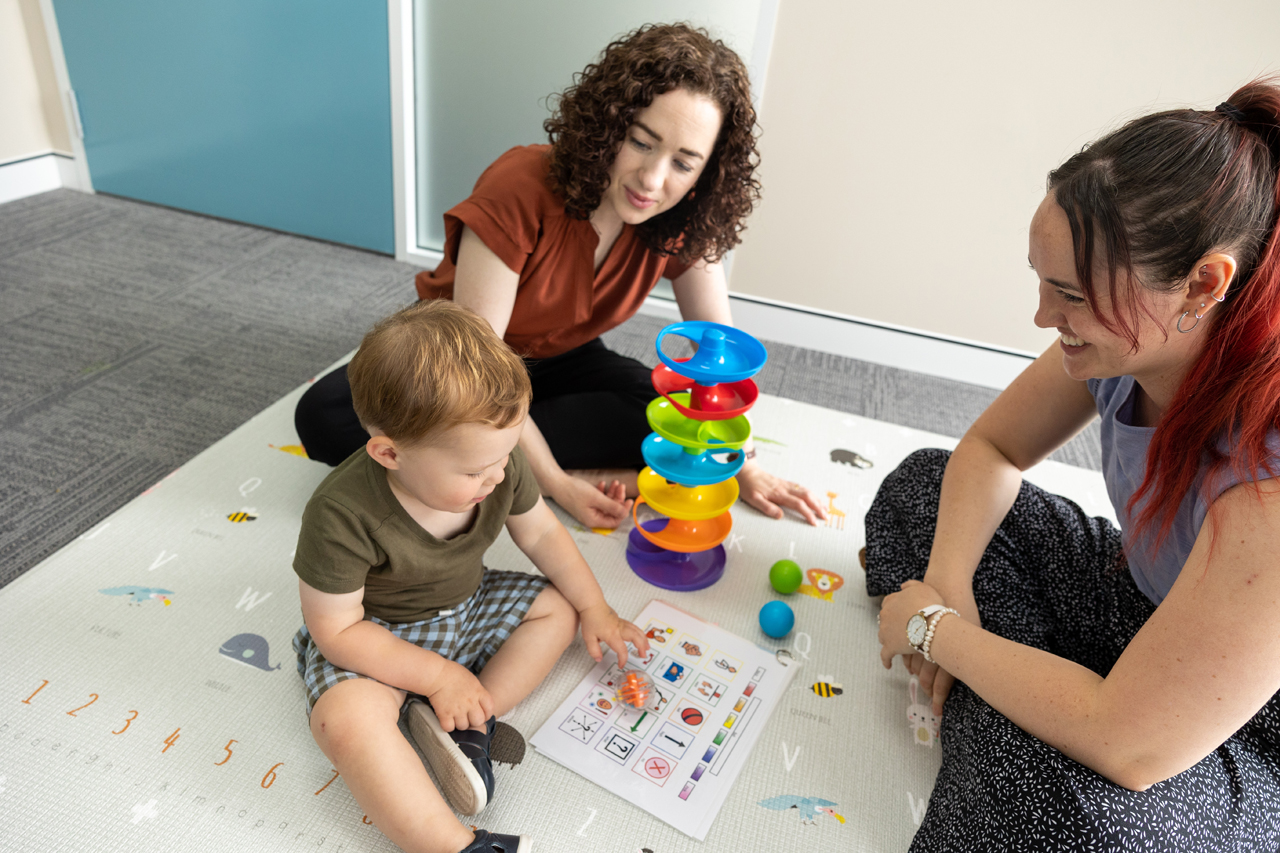
This series aims to provide some practical and evidence-based ideas to support your child and family.
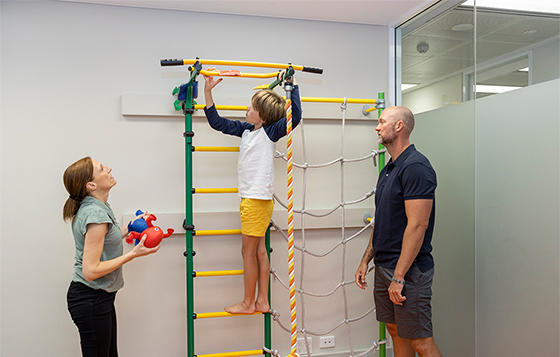
In this blog, Curtin University Occupational Therapy students Julia Walker and Mandy Bull delve into the history of Occupational Therapy in Australia.
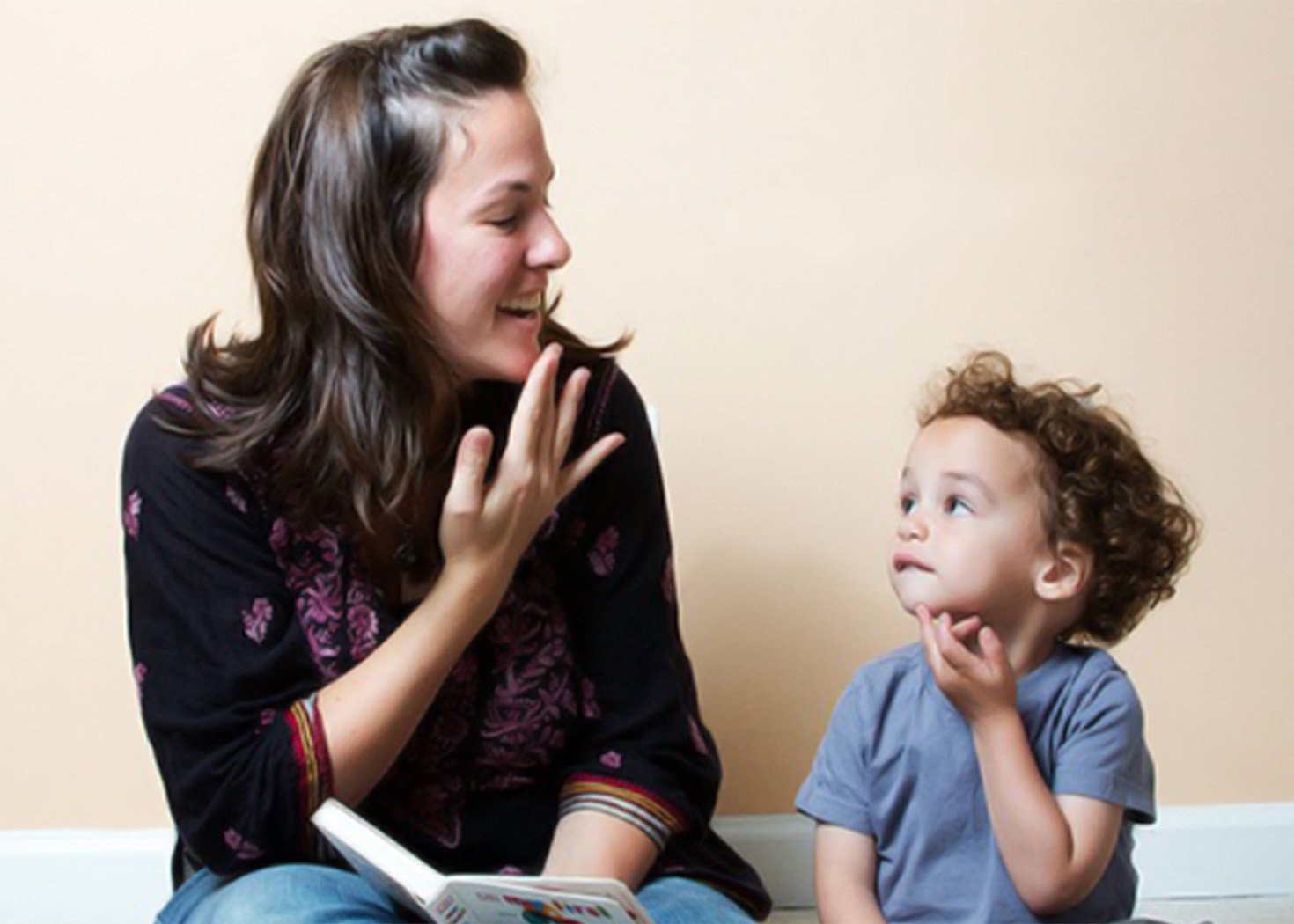
In this blog, Senior Speech Pathologist Marisa Di Lorenzo discusses Augmentative and Alternative Communication and how it supports every individual’s access to the basic right of communication.
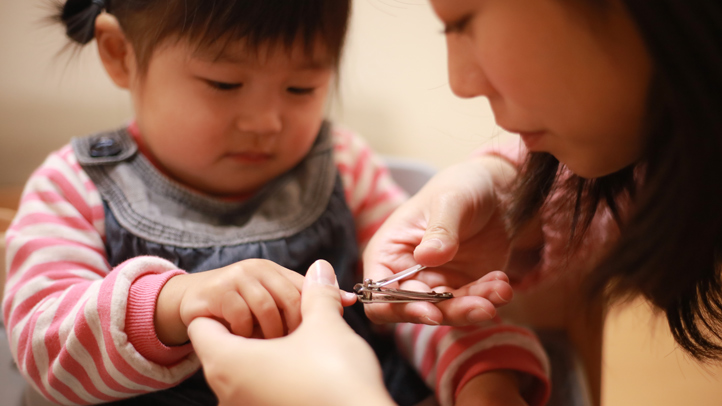
In this blog, Curtin University Occupational Therapy student Julia Than discusses how to make nail care an important part of a child's self-care routine.
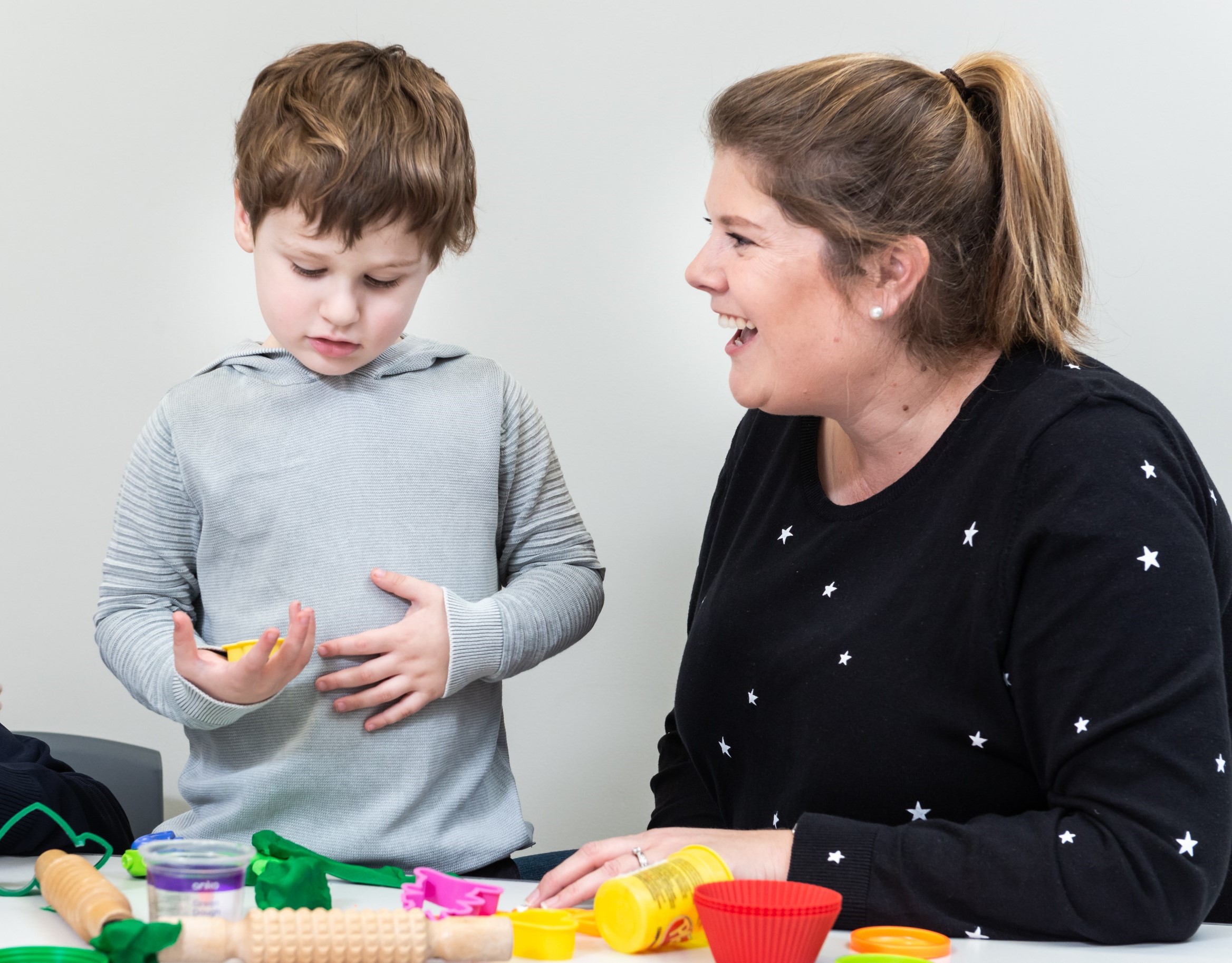
In this new blog, Senior Speech Pathologist and PACT therapist/trainer Sally Grauaug discusses the benefits of PACT, how it works and how clinicians become certified PACT therapists.
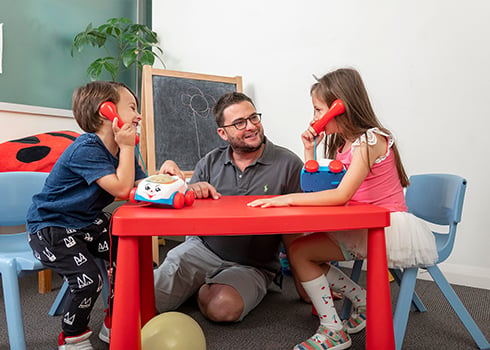
In this blog, Therapy Assistant and JASPER Practitioner Storme-Louisa Will offers some tips for promoting authentic and enjoyable play.