Search
Technological advances have transformed when and for how long individuals work, a process associated with increasing polarization and precarity. Using the European Working Conditions Survey (2005-2015), we examined parental work schedules and hours across welfare regimes covering 29 European countries.
In an era of expanding indications for iatrogenic immunosuppression, invasive fungal disease (IFD) remains a significant challenge in immunocompromised children, with case fatality rates ranging from 10 to 70%. Understanding of current recommendations and recent evidence is essential to guide optimal IFD management.
Although Streptococcus pyogenes (Strep A) is the sixth-most common infectious disease globally, its transmission within the household remains an understudied driver of infection. We undertook a systematic review to better understand the transmission of Strep A among people within the home, while highlighting opportunities for prevention.
Since its inception in 2005, the US President's Malaria Initiative (PMI) has played a major role in the reductions in malaria morbidity and mortality observed across Africa. With the status of PMI funding and operations currently uncertain, we aimed to quantify the impact that a fully functioning PMI would have on malaria cases and deaths in Africa during 2025.
Although Streptococcus pyogenes (Strep A) is the sixth-most common infectious disease globally, its transmission within the household remains an understudied driver of infection. We undertook a systematic review to better understand the transmission of Strep A among people within the home, while highlighting opportunities for prevention.
Recent interest in the diverse ecosystem of bacteria, fungi and viruses that make up the skin microbiome has led to numerous studies investigating the skin microbiome in healthy skin and in dermatological conditions. However, skin microbiome analysis is challenging due to relatively low numbers of skin microorganisms compared to mucosal sites, such as the respiratory or gastrointestinal tracts. Microbiome results are heavily influenced by sampling methods.
Despite increasing urbanisation, little is known about skin health for urban-living Aboriginal children and young people (CYP, aged <18 years). This study aimed to investigate the primary care burden and clinical characteristics of skin conditions in this cohort.
Staphylococcus aureus bacteraemia (SAB) is the most common cause of sepsis, contributing to paediatric intensive care unit admission in Australia and New Zealand. While deep venous thrombosis (DVT) has been reported in children with invasive S. aureus infections, the actual frequency and possible effects of thrombosis on disease severity and outcome in paediatric SAB remain unknown. Moreover, guidance regarding imaging for paediatric SAB management are poorly defined.
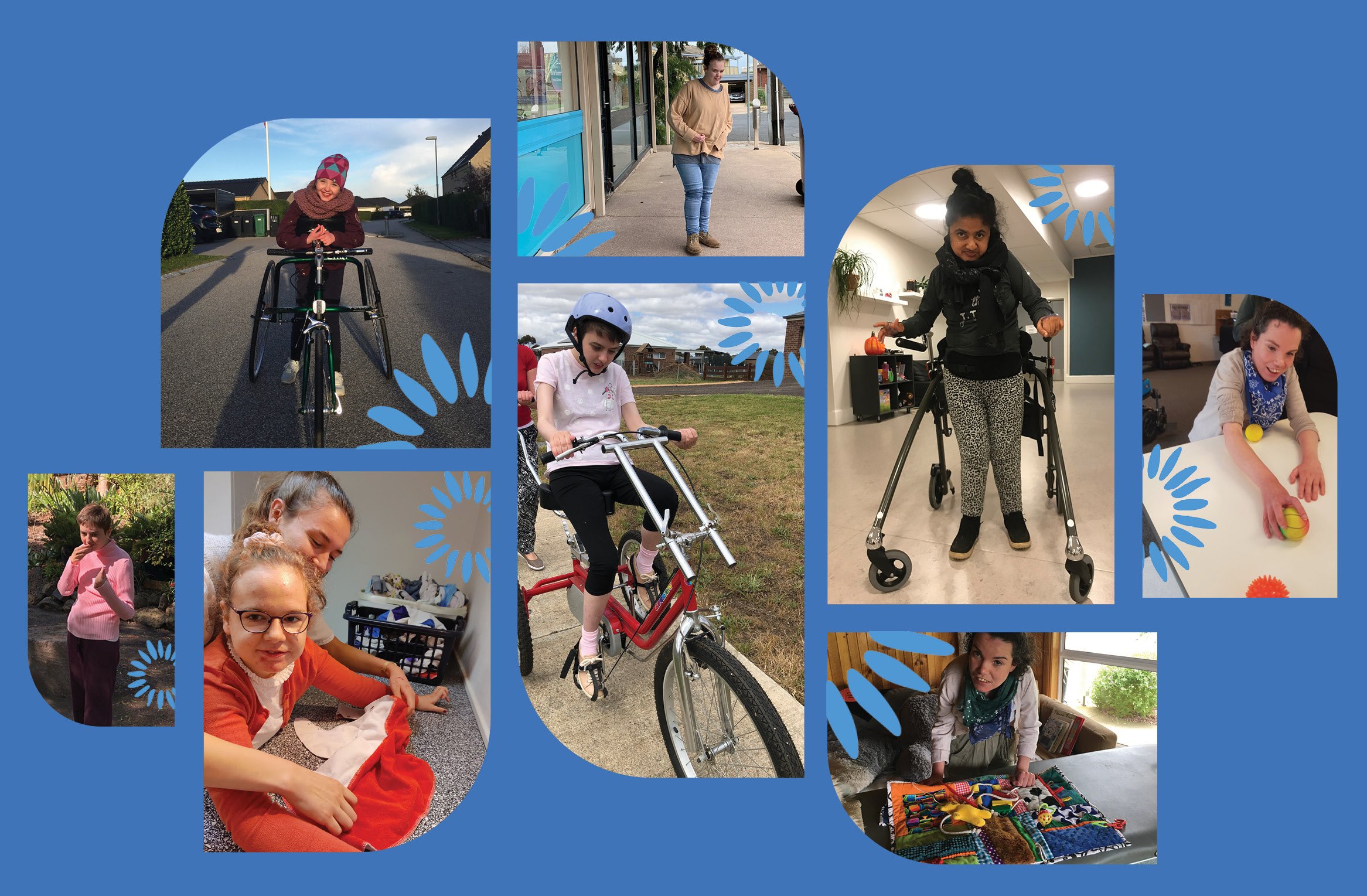
Rett syndrome (RTT) is a rare neurodevelopmental disorder with developmental impairments, comorbidities, and abnormal behaviours such as hand stereotypies and emotional features. The Rett Syndrome Behaviour Questionnaire (RSBQ) was developed to describe the behavioural and emotional features of RTT.
Understanding hospital service use among children with a diagnosis of craniosynostosis is important to improve services and outcomes. This study aimed to describe population-level trends, patterns, and factors influencing hospitalizations for craniosynostosis in Western Australia.