
Search
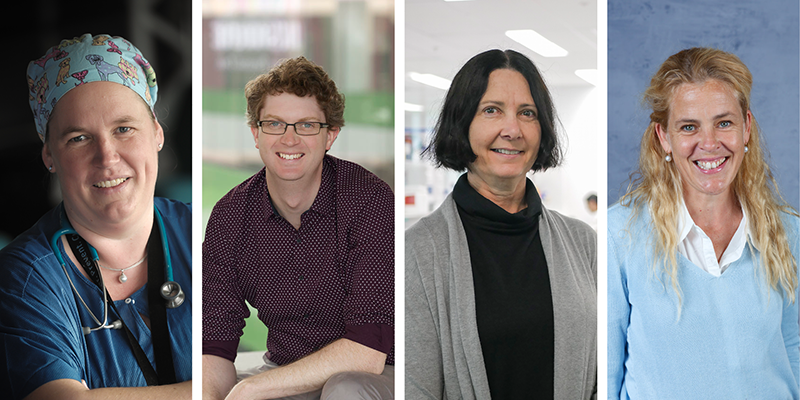
Research projects sharing in a $2.1 million funding boost will seek to translate research findings into changes that benefit patients and help the health system run more efficiently.
Since colonisation in Australia, dominant western narratives have continually undermined the identity of Aboriginal and Torres Strait Islander peoples. Through a lens of subaltern theory, this article explores how Aboriginal children, their families, and their communities are spoken for and about as members of subaltern communities by non-Indigenous foster carers.
Access and adherence to cardiac rehabilitation (CR) remain suboptimal, particularly in rural and remote settings. This study evaluated the implementation of person-centred, evidence-based CR delivery model tailored to improve access and completion.
Acute rheumatic fever (ARF) and rheumatic heart disease (RHD) are prevalent among First Nations peoples in Australia. In Western Australia (WA), notification of ARF and RHD to the WA RHD register is mandatory and supports follow-up care. However, previous studies from rural WA have reported incomplete notification, suggesting gaps in surveillance and hospital-registry linkage.
The Western Australian paediatric ESCALATION system, integrating family involvement, promotes early recognition and response to a hospitalised child's deteriorating health. This study aimed to understand healthcare professionals' experiences of Aboriginal parent/carer involvement in detecting clinical deterioration in the hospital.
First Nations women in Australia continue to experience disproportionately adverse maternal and infant outcomes. The ongoing legacy of colonisation and systemic racism shapes these outcomes. In the Australian Capital Territory (ACT), maternity services remain dominated by Western biomedical approaches that fail to deliver culturally safe and anti-racist care despite national standards that mandate such practices.
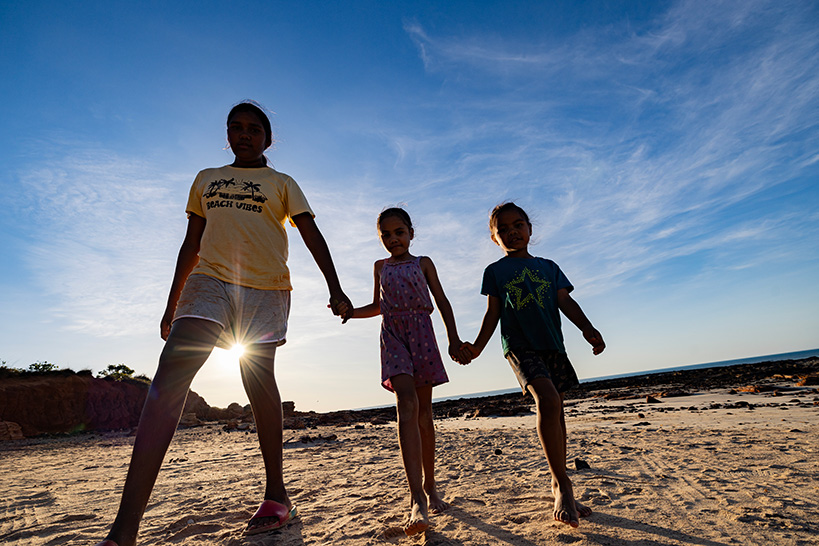
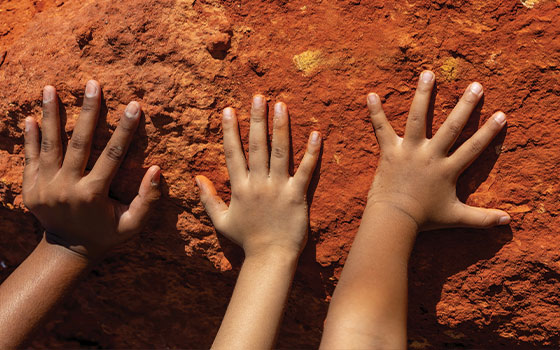
Aboriginal health is everyone's business. The needs of Aboriginal and Torres Strait Islander families and kids is integrated into all relevant areas of our work. Improving the health and wellbeing of Aboriginal and Torres Strait Islander kids and families is an overarching priority for every team at The Kids.
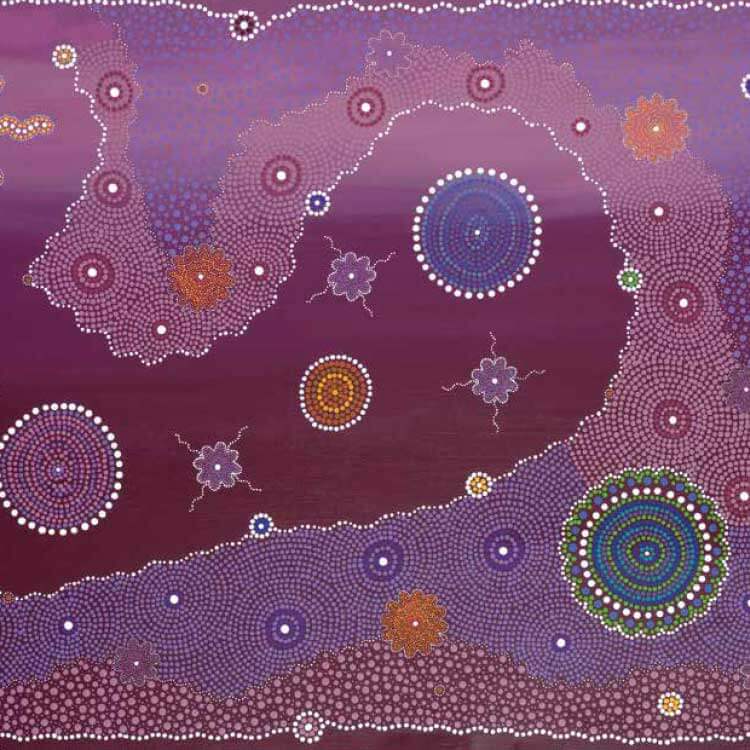
This 2nd edition is intended for staff and students and all health practitioners working in areas that support Indigenous mental health and wellbeing.
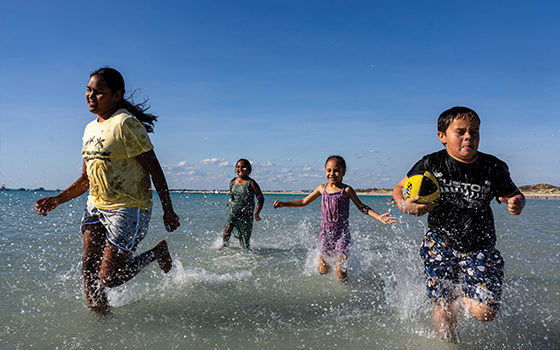
WAACHS was the largest and most comprehensive survey ever undertaken into the health, wellbeing & development of WA Aboriginal and Torres Strait Islander kids
Facilitate research interest & opportunities that involve Aboriginal families & communities and build the capacity and development of Institute researchers