
Search
Children recovering from severe malarial anaemia (SMA) remain at high risk of readmission and death after discharge from hospital. However, a recent trial found that post-discharge malaria chemoprevention (PDMC) with dihydroartemisinin-piperaquine reduces this risk. We developed a mathematical model describing the daily incidence of uncomplicated and severe malaria requiring readmission among 0-5-year old children after hospitalised SMA.
We aimed to evaluate the effect of undernutrition on sputum culture conversion and treatment outcomes among people with multidrug-resistant tuberculosis.
Many publications have demonstrated the detrimental effects of school closures on children, families and communities in the past two years of the COVID-19 pandemic. Currently, there is a surge of Omicron cases as children prepare to return to school around the world. While many children are asymptomatic or have mild disease, it is nevertheless an important problem.

STopping Acute Rheumatic Fever Infections to Strengthen Health (STARFISH) brings together a diverse and multidisciplinary research team to investigate the most effective environmental health initiatives (EHIs) aimed at reducing Strep A infections and prevent Acute Rheumatic Fever (ARF).
Latest news & events at the Wesfarmers Centre of Vaccines & Infectious Diseases.
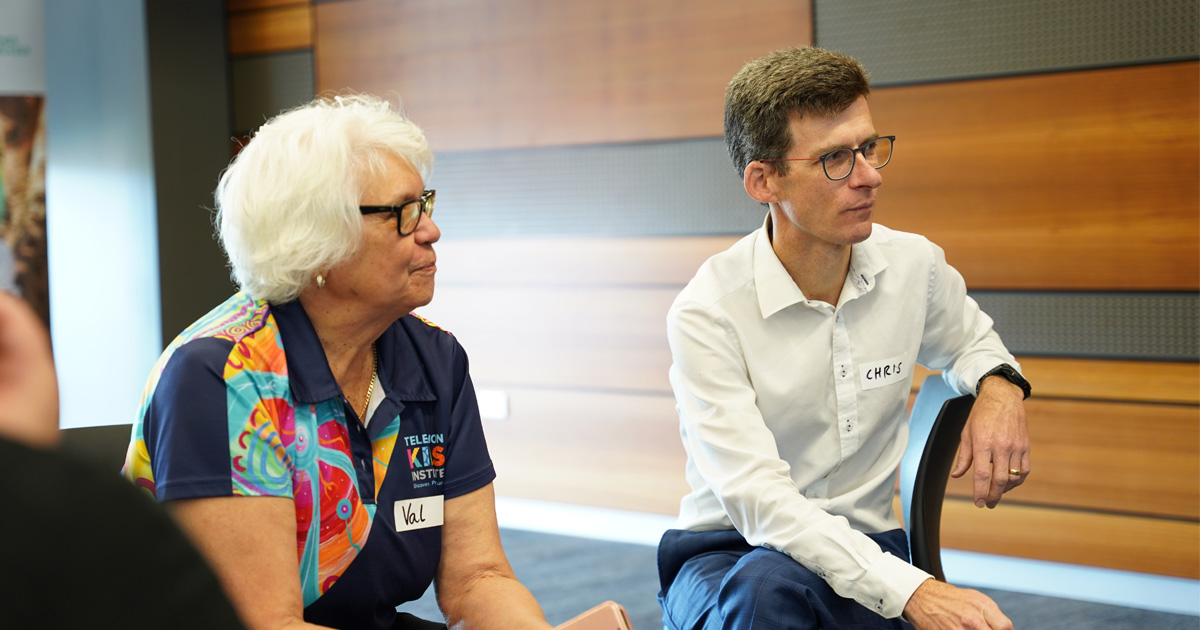
Researchers from the Wesfarmers Centre of Vaccines and Infectious Diseases at The Kids Research Institute Australia have shared their expertise with the community in Cockburn, covering topics ranging from respiratory disease in babies to recurring ear infections in kids.
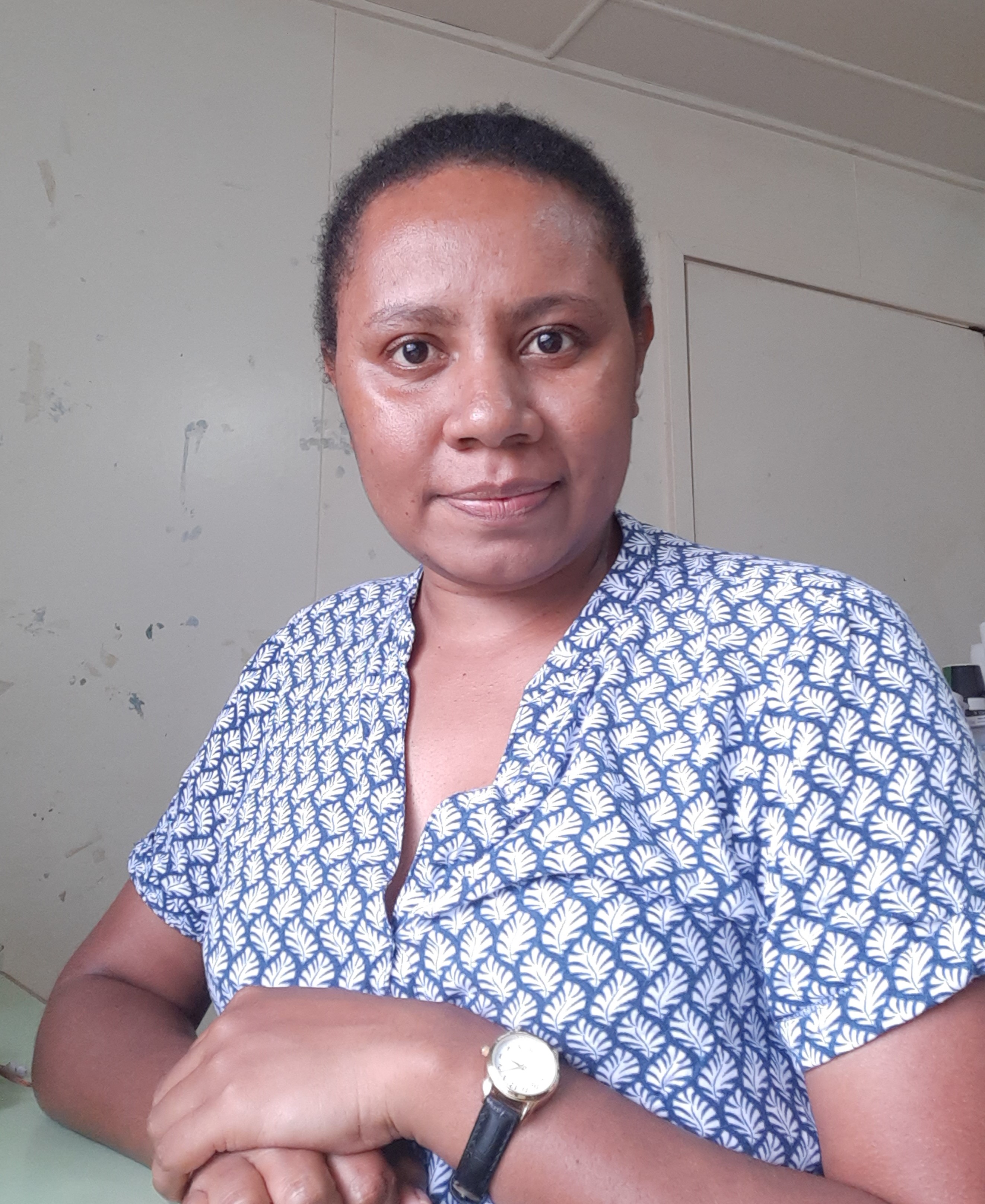
Congratulations to Dr Paula Tesine who is the successful recipient of the Deborah Lehmann Research Award. As the third recipient of the Deborah Lehmann Research Award, Dr Tesine received $30,000 towards her research.

Enrolments for Australia’s first needle-free, gene-based COVID-19 vaccine study – to be led in WA by The Kids Research Institute Australia – are open.

Clinical Professor Tobias Strunk, Dr Andrew Currie and their Neonatal Infection and Immunity Team have become the newest members of the Wesfarmers Centre of Vaccines and Infectious Diseases.
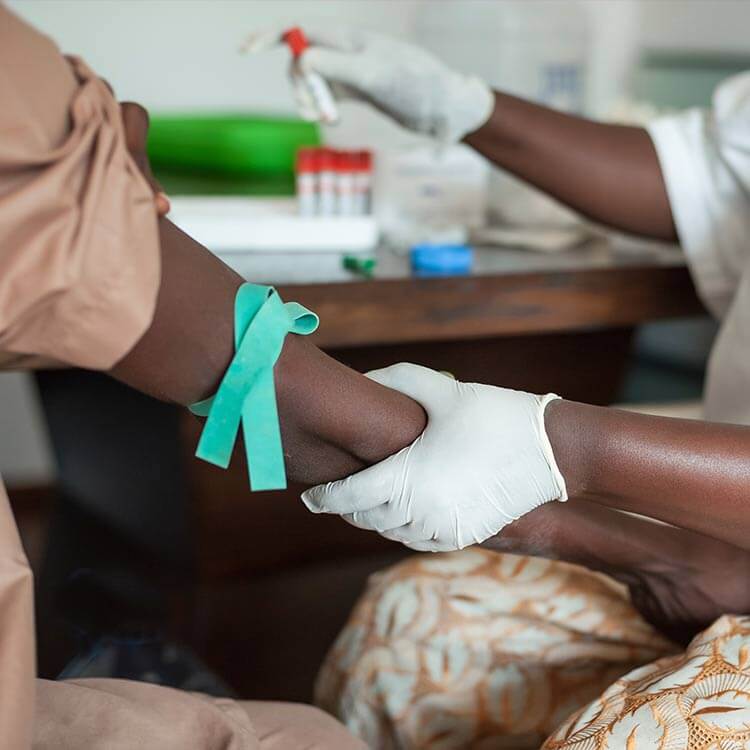
This study investigated host gene expression in response to new HIV infection.