
Search
Prenatal exposure to vitamin D is thought to be critical for optimal fetal neurodevelopment, yet vitamin D deficiency is apparent in a growing proportion of...

The effects of educational advantage or disadvantage get handed down through the generations according to a new study by researchers at the The Kids.

Professor Cate Taylor, is part of an International cohort of researchers to secure over €1.45million in grant funding from the EU’s Horizon 2020 programme.

Four The Kids Research Institute Australia researchers are among those who have received funding in the WA State Government's Merit Award Program announced today.
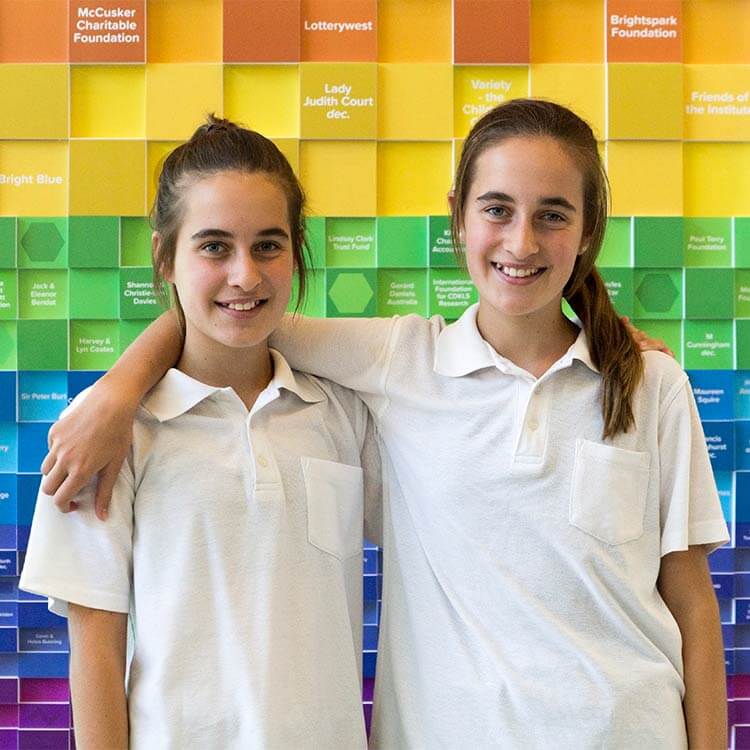
A world first study of language development in toddler twins confirms the widely held belief that twins start to talk later than single-born children.

A new study looking at the receptive language development of young children has highlighted the need to monitor kids over time to ensure they don't fall behind.

Researchers from Perth's The Kids Research Institute Australia have been part of an international study that has found that genetic factors contribute to the development of l
A child's ability to communicate is one of their most important developmental achievements. It builds a foundation for everything that is to come.
A world-first study from The Kids for Child Health Research has identified risk factors for receptive language development in Australian children.
New study links testosterone levels in the womb and language problems