
Search
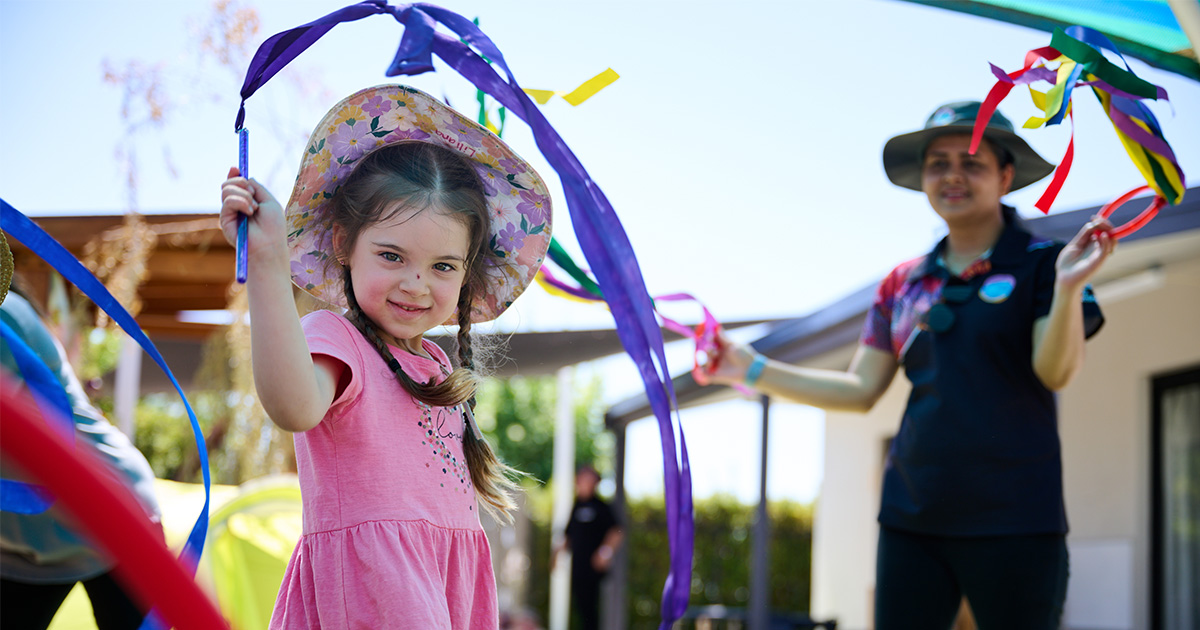
More than 80,000 Australian children are expected to benefit as 700 childcare centres across the country trial a new program aimed at boosting declining physical activity levels.

The Kids Research Institute Australia and The University of Western Australia researchers have been awarded more than $1 million in funding from Healthway, for projects to improve the mental health of LGBTQA+ young people, encourage early physical activity in childcare centres and create healthier local environme
Robust evaluation is critical for understanding and enhancing the impact of health promotion initiatives. However, many community-based organisations face challenges in planning and conducting evaluation due to limitations in knowledge, resources, and the applicability of existing evaluation frameworks. The Healthway Evaluation Framework, and its accompanying practical Measurement Toolkit, was designed to support evaluation planning, implementation, and reporting across diverse health promotion programs and settings.
Physical activity improves physical and psychosocial outcomes in healthy children and in children with a range of chronic health conditions. Unfortunately, children with chronic health conditions have lower levels of physical activity compared to their healthy peers due to multiple restrictions in physical activities and therefore tend to have lower levels of physical activity compared with their peers. This paper describes the protocol for Move to Improve, a pragmatic trial of an individualised physical activity intervention for children with chronic health conditions.
Physical activity is crucial for young children's health and development. Many young children do not meet the recommended 3 hours of daily physical activity, including 60 min of energetic play. Early childhood education and care (ECEC/childcare) is a key setting to intervene to improve children's physical activity. The Play Active programme is a scalable evidence-informed ECEC-specific physical activity policy intervention with implementation support strategies to improve educators' physical activity-related practices.
Movement is at the core of human existence. For infants and children, exploratory movement offers a scaffold for important learning and development outcomes, and in adolescents and adults, regular activity is key for promoting good physical and mental health.
This scoping review considers the experiences of aspiring high school-aged athletes as they navigate the complexities of managing sport, education, social, and family life. The review synthesises existing literature on the decisions, barriers, facilitators, and support systems that influence aspiring athletes' pathways.
Many young people are exposed to risk factors that increase their risk of mental illness. Physical activity provision is an increasingly popular approach to protect against mental illness in the face of these risk factors. We examined the effectiveness of physical activity interventions for the promotion of mental health outcomes in at-risk children and adolescents.
Overweight and obesity in children continues to increase. Yet, the role of active transport, namely walking, in mitigating these trends remains unclear. This study examined the cross-sectional association between walkability and children's Body Mass Index (BMI) and how this varies by socio-economic and lifestyle characteristics.
Children's physical activity and screen time behaviours impact their physical health and well-being. In Australia, less than half of children meet daily physical activity recommendations and only one-third meet daily screen time recommendations.