
Search
Respiratory syncytial virus (RSV) and influenza are important causes of disease in children and adults. In Australia, information on the burden of RSV in adults is particularly limited.
Respiratory syncytial virus (RSV) is the most common cause of acute lower respiratory infection in young children. We previously estimated that in 2015, 33·1 million episodes of RSV-associated acute lower respiratory infection occurred in children aged 0-60 months, resulting in a total of 118 200 deaths worldwide.
A significant proportion of chronic obstructive pulmonary disease exacerbations are strongly associated with rhinovirus infection (HRV). In this study, we combined long-term cigarette smoke exposure with HRV infection in a mouse model.
Human rhinovirus (RV)-induced exacerbations of asthma and wheeze are a major cause of emergency room presentations and hospital admissions among children. Previous studies have shown that immune response patterns during these exacerbations are heterogeneous and are characterized by the presence or absence of robust interferon responses.
To determine the potential longer-term effects of maternal antenatal respiratory syncytial virus (RSV) vaccination, we examined the association between cord-blood RSV-neutralizing antibodies (RSV-NA) and RSV infections in the first 2 years of life, RSV-NA at 3 years, and respiratory health to age 5 years.
As part of the accelerated development of vaccines against severe acute respiratory syndrome coronavirus 2 (SARS-CoV-2), we report a dose-finding and adjuvant justification study of SCB-2019, a protein subunit vaccine candidate containing a stabilised trimeric form of the spike (S)-protein (S-Trimer) combined with two different adjuvants.
Hannah Peter Moore Richmond OAM BSc (Hons) GradDipClinEpi PhD MBBS MRCP(UK) FRACP Head, Infectious Diseases Research Head, Vaccine Trials Group 08
Congratulations to three outstanding The Kids Research Institute Australia researchers who have received second chance WA health funding designed to support researchers who have narrowly missed out on highly competitive national funding.
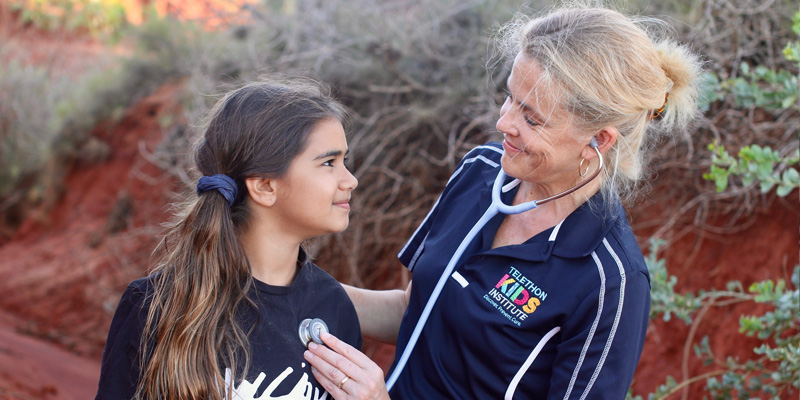
Almost one in five children across four remote Kimberley communities has some form of chronic lung disease, according to a new study co-designed and conducted in partnership with Aboriginal communities.
Two researchers focused on improving outcomes for children with chronic lung disease and averting suicide contagion and suicide clusters in young people have won prestigious Investigator Grants from the National Health and Medical Research Council.