
Search
Preterm infants are at increased risk for invasive neonatal bacterial infections. S. epidermidis, a ubiquitous skin commensal, is a major cause of late-onset neonatal sepsis, particularly in high-resource settings. The vulnerability of preterm infants to serious bacterial infections is commonly attributed to their distinct and developing immune system.
Human rhinovirus (RV)-induced exacerbations of asthma and wheeze are a major cause of emergency room presentations and hospital admissions among children. Previous studies have shown that immune response patterns during these exacerbations are heterogeneous and are characterized by the presence or absence of robust interferon responses.
Atopic diseases are the most common chronic conditions of childhood. The apparent rise in food anaphylaxis in young children over the past three decades is of particular concern, owing to the lack of proven prevention strategies other than the timely introduction of peanut and egg.
Dysbiosis refers to a reduction in microbial diversity, combined with a loss of beneficial taxa, and an increase in pathogenic microorganisms. Dysbiosis of the intestinal microbiota can have a substantial effect on the nervous and immune systems, contributing to the onset of several inflammatory diseases.
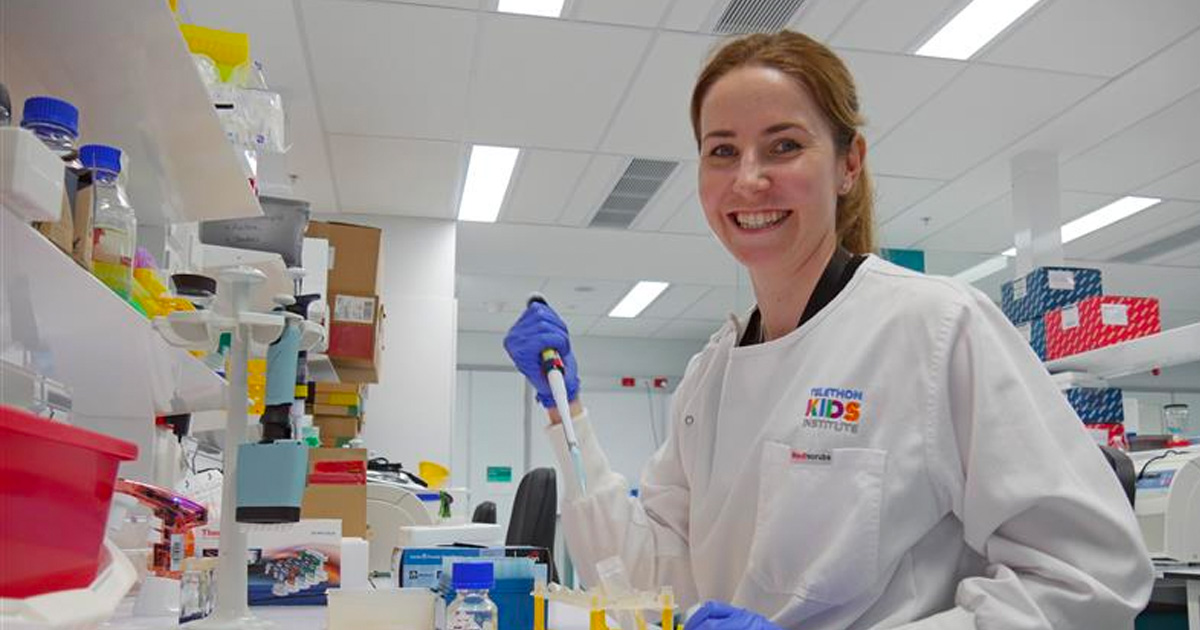
WA researchers hope to gain new insights into the way immune cells in the body trigger attacks of multiple sclerosis (MS), thanks to new funding from MS Australia.

Two The Kids Research Institute Australia researchers have been awarded prestigious grants from the Raine Medical Research Foundation for projects in childhood cancer and newborn infection control.
Australia introduced a hybrid Respiratory Syncytial Virus (RSV) Maternal and Infant Protection Program (RSV-MIPP) in 2025, using National Immunisation Program-funded RSV vaccine for pregnant people from 28 weeks' gestation and jurisdiction-funded nirsevimab. We estimated real-world effectiveness and assessed the impact of the RSV-MIPP program across a participating surveillance network.
Previous research has shown that immune development during the first week of life, i.e. ontogeny, is progressive, consistent and robust, involving large numbers of differentially expressed genes at each sampled time point.
PICOBOO is a randomised, adaptive trial evaluating the immunogenicity and reactogenicity of licensed COVID-19 booster vaccines in immunocompetent individuals >12 years old. Here, we present data for seven different vaccines among three pre-specified participant strata defined by age and primary vaccine schedule.
Acute rheumatic fever is a preventable condition that can lead to chronic illness and early death. Standard prevention with 4-weekly intramuscular (IM) benzathine penicillin G (BPG) injections for ≥10 years may be associated with poor adherence. High-dose 10-weekly subcutaneous penicillin injections (SCIP) may improve adherence by reducing injection frequency.