
Search

A world-leading research team built to tackle malaria has relocated from Oxford University to Western Australia to take advantage of the state’s growing big data talent pool.

A USD $3.25 million international grant will see researchers from The Kids Research Institute Australia and The University of Western Australia play a pivotal role in accelerating the development of next-generation malaria vaccines, helping protect children from one of the world's deadliest infectious diseases.
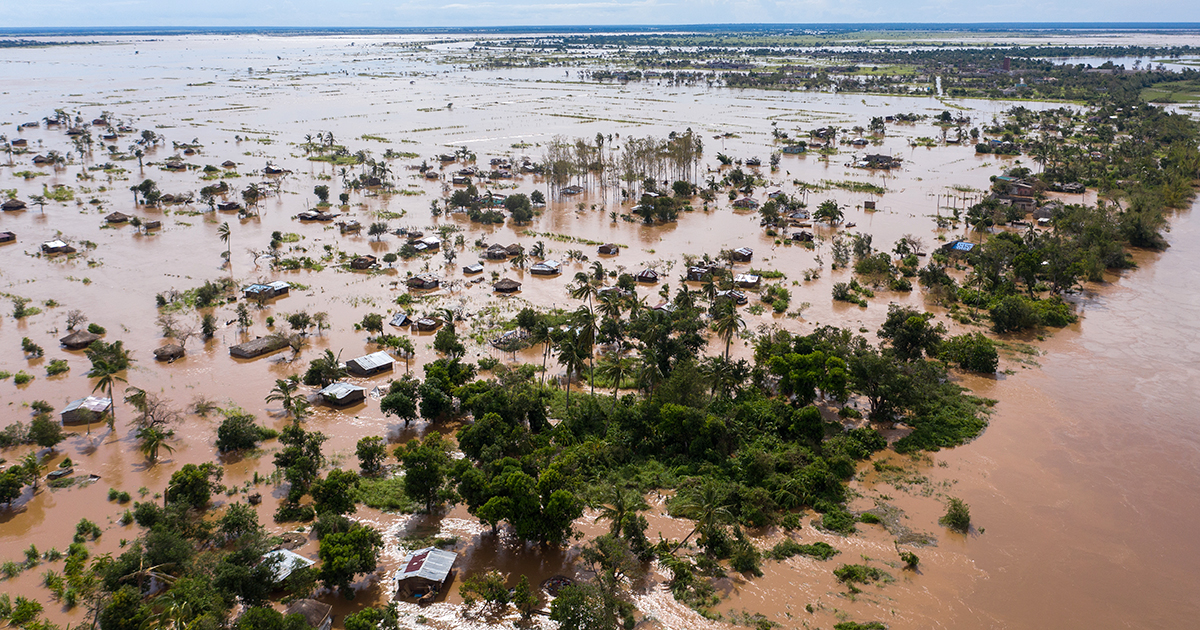
World-first research from The Kids Research Institute Australia and Curtin University predicts climate change could trigger more than 100 million additional malaria cases and 500,000 additional deaths in Africa by 2050, including substantial impacts on children.

Research to eliminate one of the world’s deadliest diseases – malaria – will be accelerated thanks to a USD $4.7 million grant from the Gates Foundation for scientists at The Kids Research Institute Australia and The University of Western Australia (UWA).

The Malaria Atlas Project (MAP) – which houses the world’s largest malaria database and is at the forefront of efforts to track and tackle the disease – has been awarded more than $16 million by the Bill & Melinda Gates Foundation.
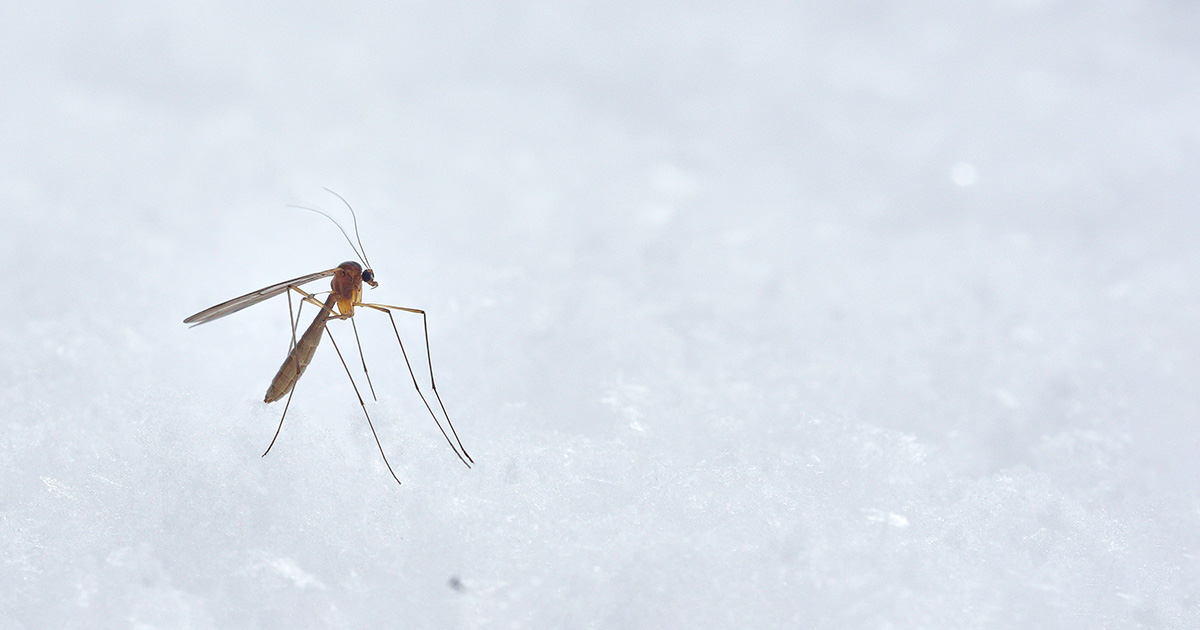
Disruptions of malaria case management caused by the COVID-19 pandemic likely contributed to an extra 76,000 malaria deaths in sub-Saharan Africa, according to analysis by The Kids Research Institute Australia and Curtin University.
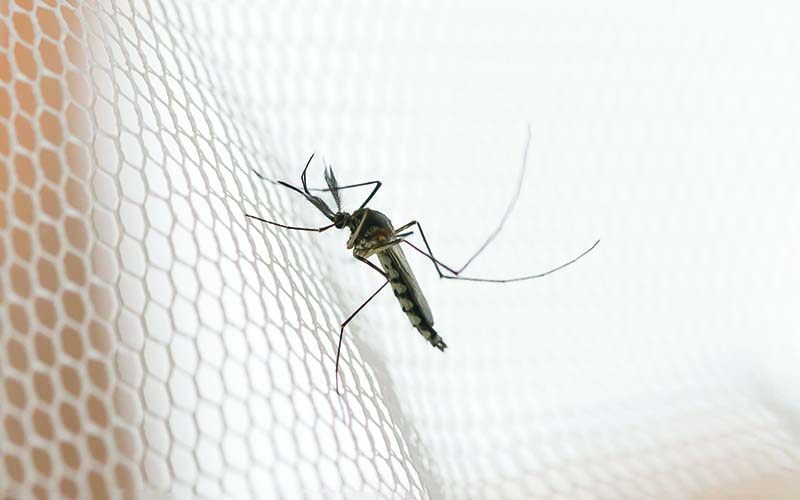
Global efforts led by The Kids Research Institute Australia’s Child Health Analytics program will see nations impacted by high rates of malaria empowered to develop their own controls and solutions.
Malaria imposes a significant global health burden and remains a major cause of child mortality in sub-Saharan Africa. In many countries, malaria transmission varies seasonally. The use of seasonally-deployed interventions is expanding, and the effectiveness of these control measures hinges on quantitative and geographically-specific characterisations of malaria seasonality.
Since their first detection in 2010, Plasmodium falciparum malaria parasites lacking the P. falciparum histidine-rich protein 2 gene (pfhrp2) have been observed in 40 of 47 surveyed countries, as documented by the World Health Organization. These genetic deletions reduce detection by the most widely used rapid diagnostic tests, prompting three countries to switch to alternative diagnostics.
Malaria is a focal disease and more localized in low endemic areas. The disease is increasingly becoming a concern in urban areas in most sub-Saharan African countries. The growing threats of Anopheles stephensi and insecticide resistance magnify this concern and hamper elimination efforts. It is, therefore, imperative to identify areas, within urban settings, of high-risk of malaria to help better target interventions.