
Search
Many adolescents with diverse sexual orientations lead happy and fulfilled lives. However, evidence consistently suggests elevated rates of mental health difficulties in this population relative to heterosexual peers, and internalization of stigma (i.e., self-stigma) is implicated in these elevated rates. This study aimed to understand and describe the lived experience of self-stigma with respect to participants’ sexual orientations.
Increasing numbers of trans young people are seeking medical services worldwide, but there have been few qualitative investigations of the experiences of trans young people attempting to engage with these services to explore in-depth experiences of clinical interactions.
LGBQ+ people (Lesbian, Gay, Bisexual, Queer) are at-risk of discrimination and developing mental health issues within general populations. Limited research has assessed their mental health in emergency services occupations, a population which are known to experience poorer mental health. The current study explores the extent to which sexual orientation is associated with higher rates of mental health issues among emergency personnel.
Young people (aged 12-25 years) with diverse sexuality, gender, or bodily characteristics, such as those who identify as lesbian, gay, bisexual, transgender, intersex, or queer (LGBTIQ+), are at substantially greater risk of a range of mental, physical, and sexual health difficulties compared with their peers. Digital health interventions have been identified as a potential way to reduce these health disparities.
A significant proportion of trans and gender diverse (TGD) young people report membership of the gaming community and resultant benefits to wellbeing. To date their experiences and needs regarding a key feature of games, the avatar, are largely unexplored, despite increasing interest in the therapeutic role of avatars in the general population. The aim of this study was to better understand the role of the avatar in gaming, its impact on TGD young people's mental health, and their unique needs regarding avatar design.
Trans and gender diverse young people experience mental health difficulties self-harm and suicidality at markedly higher rates than the general population, yet they often feel isolated from mental health services. There is little qualitative research on the experiences of trans and gender diverse young people accessing mental health support in Australia.

A digital game adapted by researchers is set to deliver engaging, accessible help to prevent depression for trans and gender diverse young people.
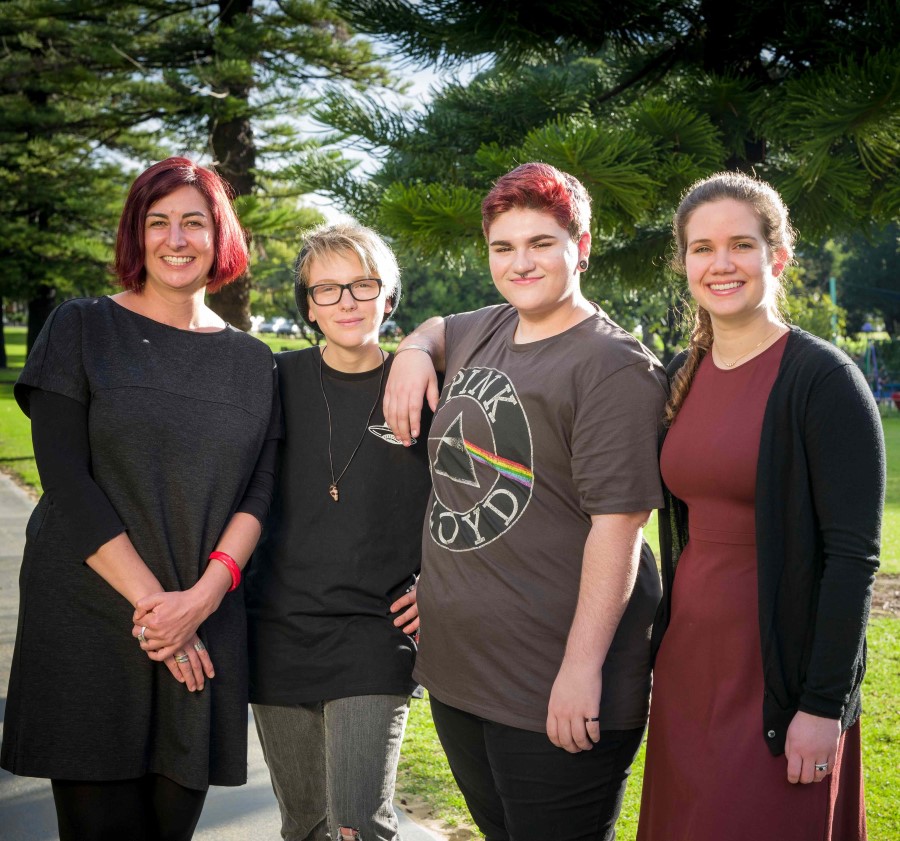
A ground-breaking survey by The Kids researchers has become the new reference point to guide policy change and educate health providers to better support trans and gender-diverse youth in Australia.
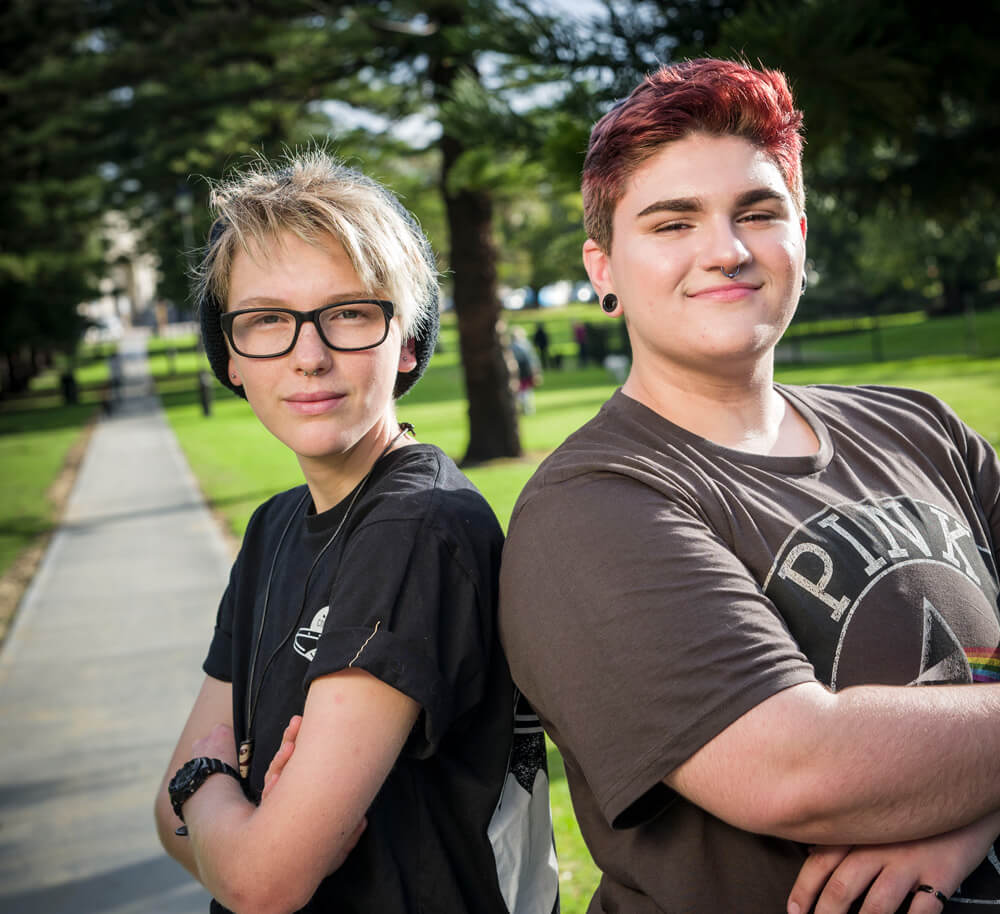
When Trans Pathways ambassador Drew, 17, came out as trans three years ago, the biggest hurdle for him was the availability of services and the time it took to access support.

Raising a child in one gender and then having them identify as another at any stage in their life can be difficult for a parent to understand and is not always an easy shift for a parent to make.