
Search
Rates of mental illness are disproportionately high for young adult and higher education (e.g., university student) populations. As such, universities and tertiary institutions often devote significant efforts to services and programs that support and treat mental illness and/or mental distress. However, within that portfolio of treatment approaches, structured exercise has been relatively underutilised and greater research attention is needed to develop this evidence base.
Hospital-treated self-harm is common, costly, and strongly associated with suicide. Whilst effective psychosocial interventions exist, little is known about what key factors might modify the clinical decision to refer an individual to psychiatric in- and/or out-patient treatment following an episode of hospital-treated self-harm.
There is a dire paucity of research into the burden, correlates and motives of substance use among trans young people in Australia.
Population-level, nationally representative data on the prevalence of minority stressors and traumatic events, mental ill-health effects, and the preventative utility of school climate, among gender and sexuality diverse young people in Australia, is significantly lacking.
The health and well-being of transgender, non-binary, and gender-diverse people is receiving increasing attention from epidemiologists and public health researchers, including those utilizing longitudinal observational cohort studies.
Internalizing problems comprise a significant amount of the mental health difficulties experienced during childhood. Implementing prevention programs during early childhood may prevent internalizing problems. The present systematic review and meta-analysis aimed to evaluate the effect of both targeted and universal prevention programs in preventing internalizing problems for children aged 3- to 5-years and their parents.
STUDY QUESTION: Does mental health and behaviour differ between those conceived with and those conceived without ART? SUMMARY ANSWER: Our study observed less externalizing behaviour (delinquent/aggressive), and more parent-reported internalizing behaviour, as well as more (clinical) depression at age 14 years, in adolescents conceived after ART compared to their non-ART counterparts.
The Australian psychiatry workforce is under-subscribed and highly urbanised. Currently, 90% of psychiatrists work in the cities, and there are significant projected workforce shortages of psychiatrists throughout Australia, particularly in rural and remote locations.
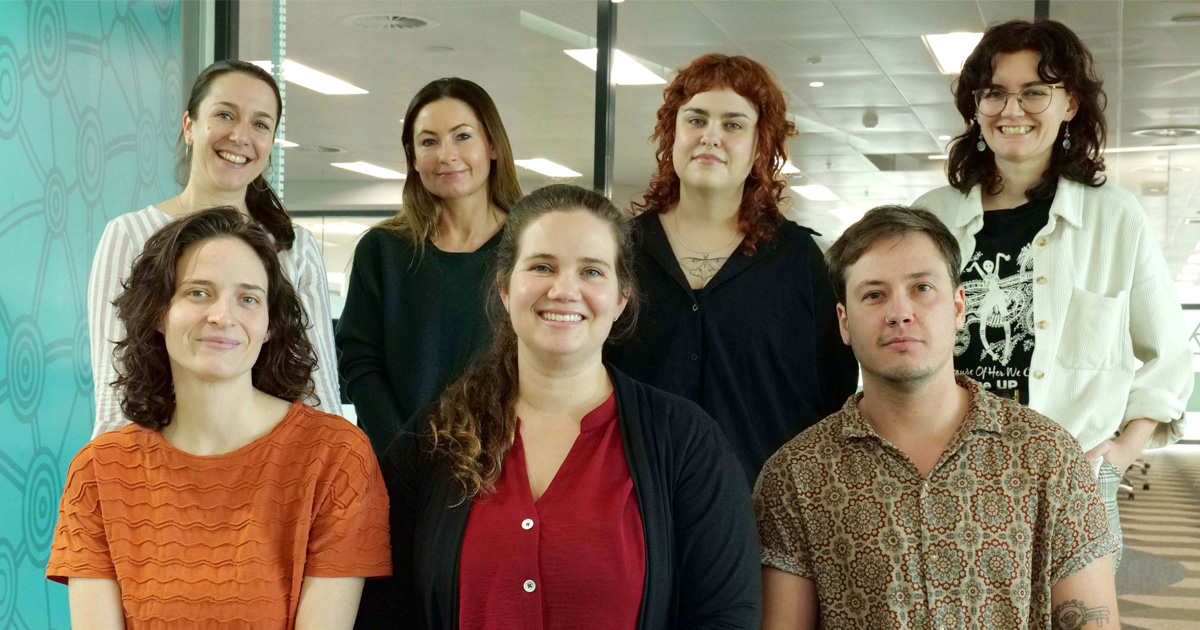
Trans Pathways is set to receive an update in the lead-up to the ten-year anniversary of the release of this seminal study by The Kids Research Institute Australia.

Six researchers from The Kids Research Institute Australia have been awarded $8.9 million in prestigious Investigator Grants from the National Health and Medical Research Council.