
Search
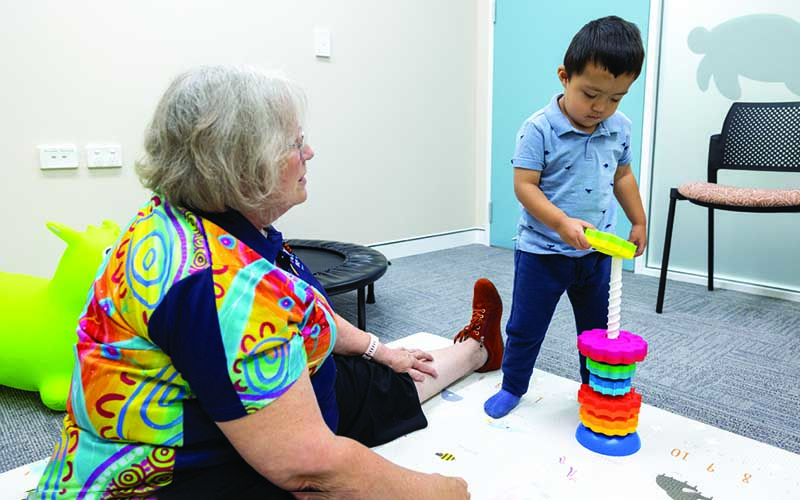
Discover how this family is benefitting from CliniKids' evidence-based therapies.
A broad range of interests characterized by unusual content and/or intensity, labeled as circumscribed interests are a core diagnostic feature of autism. Recent evidence suggests that a distinction can be drawn between interests that, although characterized by unusually high intensity and/or inflexibility, are otherwise common in terms of their content (e.g., an interest in movies or animals), labeled as restricted interests and interests that are generally not salient outside of autism (e.g., an interest in traffic lights or categorization), labeled as unusual interests.
The identification of reproducible subtypes within autistic populations is a priority research area in the context of neurodevelopment, to pave the way for identification of biomarkers and targeted treatment recommendations. Few previous studies have considered medical comorbidity alongside behavioural, cognitive, and psychiatric data in subgrouping analyses.
Circumscribed interests encompass a range of different interests and related behaviors that can be characterized by either a high intensity but otherwise usual topic [referred to as restricted interests] or by a focus on topics that are not salient outside of autism [referred to as unusual interests].
Early parent-child interactions have a critical impact on the developmental outcomes of the child. It has been reported that infants with a family history of autism and their parents may engage in different patterns of behaviours during interaction compared to those without a family history of autism. This study investigated the association of parent-child interactions with child developmental outcomes of those with typical and elevated likelihood of autism.
Handedness has been studied for association with language-related disorders because of its link with language hemispheric dominance. No clear pattern has emerged, possibly because of small samples, publication bias, and heterogeneous criteria across studies.
The aim of the present study was to compare scale and conditional reliability derived from item response theory analyses among the most commonly used, as well as several newly developed, observation, interview, and parent-report autism instruments.
This study examined whether parent-reported atypical development in their child's first year was associated with age of diagnosis and age when parents first needed to consult a specialist about their child's development.
Developmental language disorder (DLD) is one of the most common neurodevelopmental conditions. Due to variable rates of language growth in children under 5 years, the early identification of children with DLD is challenging. Early indicators are often outlined by speech pathology regulatory bodies and other developmental services as evidence to empower caregivers in the early identification of DLD.
Parenting is a rewarding experience but is not without its challenges. Parents of Autistic children face additional challenges, and as a result can experience lower levels of wellbeing and more mental health problems (i.e., depression, anxiety, stress). Previous studies have identified concurrent correlates of wellbeing and mental health.