
Search
The most common cause of morbidity and mortality in children with severe cerebral palsy (CP) is respiratory disease. BREATHE-CP (Better REspiratory and Airway Treatment and HEalth in Cerebral Palsy) is a multidisciplinary research team who have conducted research on the risk factors associated with CP respiratory disease, a systematic review on management and a Delphi study on the development of a consensus for the prevention and management of respiratory disease in CP.
Children with neurodevelopmental disorders often experience difficulties in acquiring and executing movement skills. Although the motor profiles of neurodivergent children frequently overlap, rigid conceptual distinctions between diagnostic labels have been imposed by traditional categorical approaches to taxonomy. An alternative transdiagnostic approach is proposed to better represent the similarities between presentations.
Aboriginal and Torres Strait Islander children continue to be removed at high rates from their families by child protection services, placing them at elevated risk of adverse long-term life outcomes. Cultural connection in out-of-home care is essential for mitigating the impacts of trauma from removal, emphasizing the importance of ensuring that cultural planning is rigorously undertaken. This article explores the provision of cultural plans in an era where out-of-home care services are outsourced by government, but where government holds onto the responsibility for developing cultural plans for children in care.
Social media allows users to connect with others’ experiences and points of view, with TikTok being the fastest-growing platform worldwide. Highly viewed videos related to neurodiversity on TikTok have an increasing role in understanding and acceptance of neurodivergent individuals.
Motor features of autism have long been acknowledged by clinicians, researchers, and community stakeholders. Current DSM-5 and ICD-11 guidelines allow clinicians to assign a co-occurring diagnosis of developmental [motor] coordination disorder for autistic individuals with significant motor problems.
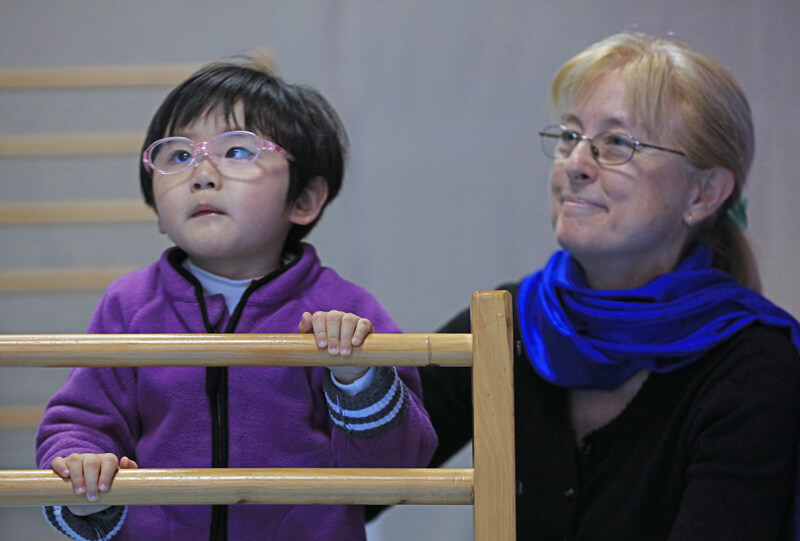
A program developed by The Kids Research Institute Australia researcher Dr Jenny Downs has led to dramatic improvements in the functioning of Chinese children with Rett syndrome, and could change the world.
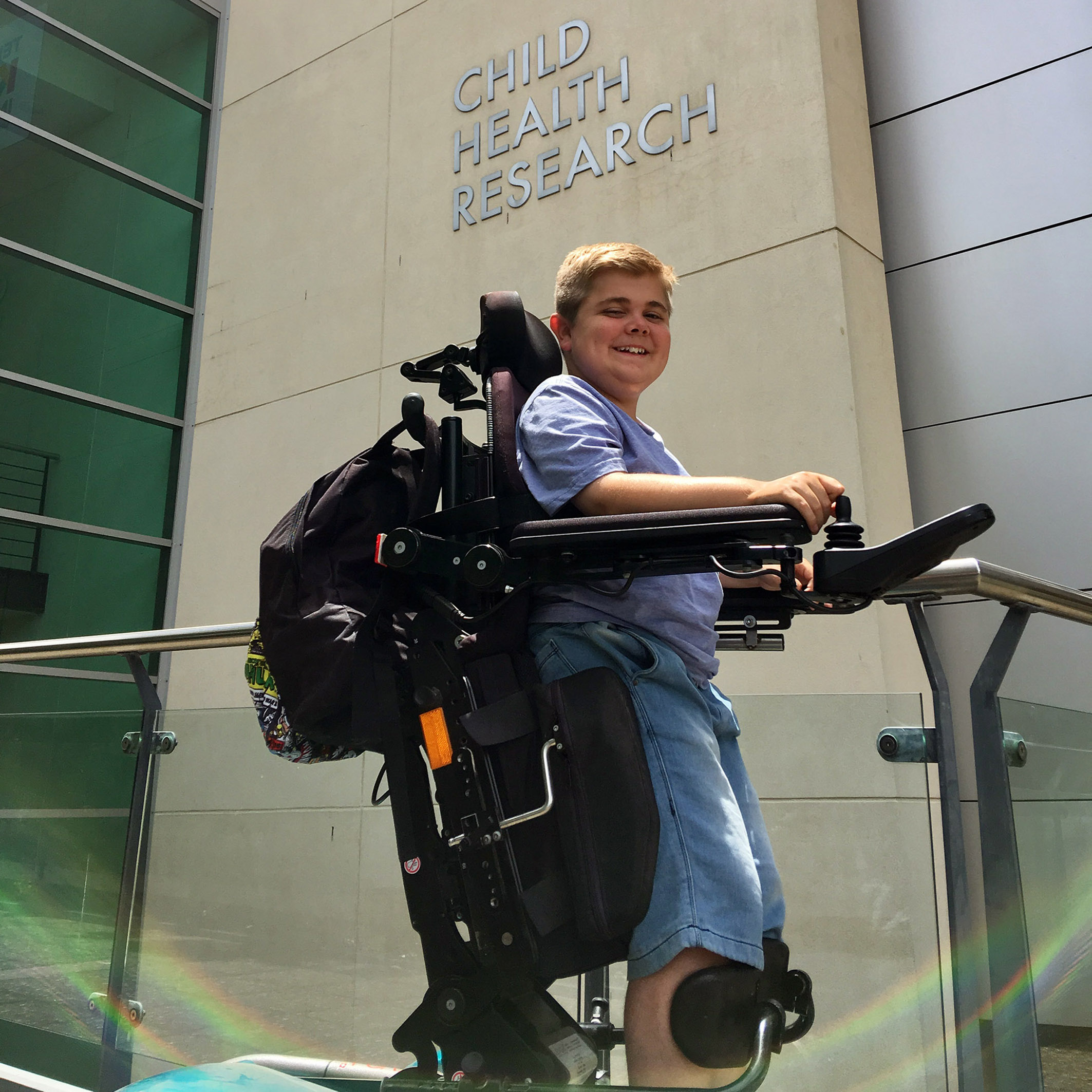
The Kids researchers are investigating the physical and psychological impacts of powered standing wheelchairs for boys suffering from Duchenne
Children with rare diseases experience challenges at home and school and frequently require multi-disciplinary healthcare. We aimed to determine health service utilization by Australian children with rare diseases and barriers to accessing healthcare.
To describe the timing and causes of post-neonatally acquired cerebral palsy (PNN-CP) and map the implementation of relevant preventive strategies against cause-specific temporal trends in prevalence.
Ensuring that Aboriginal and Torres Strait Islander children removed from their families by child protection services remain connected to their kin, Country and culture is a priority to begin to redress the intergenerational trauma and harm caused by colonisation. This article describes the views of staff working in three mainstream out-of-home care organisations, where children are cared for by non-Indigenous foster carers.