
Search
Respiratory disease is a leading cause of hospitalisations in children with cerebral palsy (CP). Over 40% of individuals with CP are born preterm; however, the relationship between prematurity, CP and respiratory disease is unknown.
Preterm birth is increasingly recognised as adversely influencing lifelong lung function. This Series paper on prematurity-associated lung disease reviews studies reporting longitudinal lung function measurements in individuals who were born preterm. Evidence suggests that preterm birth alters lung function trajectories from early life onwards, with implications for future respiratory morbidity. We propose that this population needs rigorous follow up that should include systematic monitoring of lung function across the lifespan, starting in childhood.
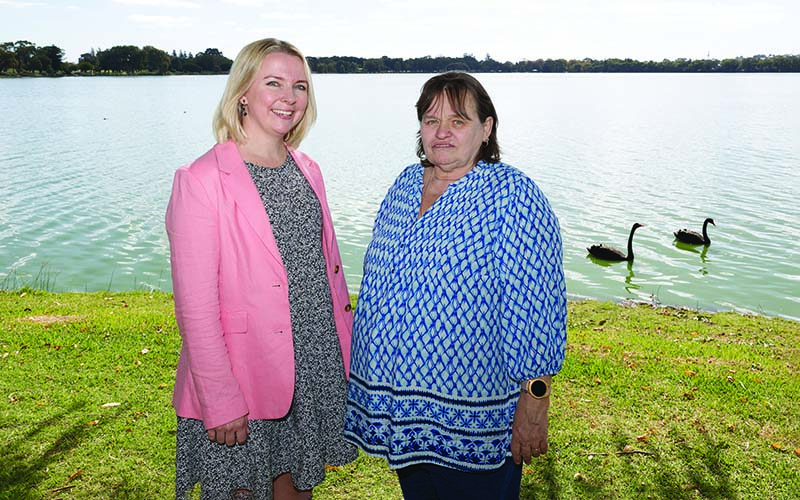
In Aboriginal culture, water is life, holding powerful spiritual and cultural significance and acting as a vital source of connection, food and medicine.
Anthony Kicic BSc (Hons) PhD Head, Airway Epithelial Research; WA Cystic Fibrosis Research Collaborative Program Fellowship; Stan Perron Charitable
Climate change is increasing the frequency and severity of non-optimal temperatures and heatwaves, posing risks to public health, especially for children and young people. We performed a systematic review and meta-analysis to assess the impacts of (i) non-optimal ambient temperatures and (ii) heatwaves on mental health outcomes in this group globally.
Elexacaftor/tezacaftor/ivacaftor(ELX/TEZ/IVA) was safe and efficacious in children with CF 2-5y with at least one F508del allele in 24-week phase 3 Trial 445-111. Children who completed 445-111 were eligible for the long-term safety and efficacy extension trial.
Anthropogenic activities are increasing the amount of carbon dioxide (CO2) in the atmosphere. There is mounting experimental evidence that lifetime exposure to these increasing atmospheric CO2 levels can negatively impact the normal physiology of organisms. However, directly assessing this in humans is very difficult.
Water chlorination is essential for controlling harmful microbes in drinking water; however, the antimicrobial effects of chlorine-based disinfectants present in tap water may influence early-life gut microbial ecology.
Functional studies of how early-life interventions shape the airway microbiome remain scarce. Here, we performed metagenomic sequencing of 704 longitudinal nasal swabs from infants with and without cystic fibrosis (CF) to construct and characterize a non-redundant gene atlas of the infant nasal microbiome. We aimed to determine how the nasal microbiome is perturbed by early therapies, as CF is commonly treated with inhaled hypertonic saline to improve mucociliary clearance.
Chronic, low-intensity air pollution exposure has been consistently associated with reduced lung function throughout childhood. However, there is limited research regarding the implications of acute, high-intensity air pollution exposure. We aimed to determine whether there were any associations between early life exposure to such an episode and lung growth trajectories.