
Search
Tamara Chris Valerie Veselinovic Brennan-Jones Swift BSc(Hons) MClinAud PhD PhD Clinical Research Fellow Head, Ear and Hearing Health Aboriginal
Pneumonia is the leading cause of death in young children globally and is prevalent in the Papua New Guinea highlands. We investigated clinical predictors of hypoxic pneumonia to inform local treatment guidelines in this resource-limited setting.
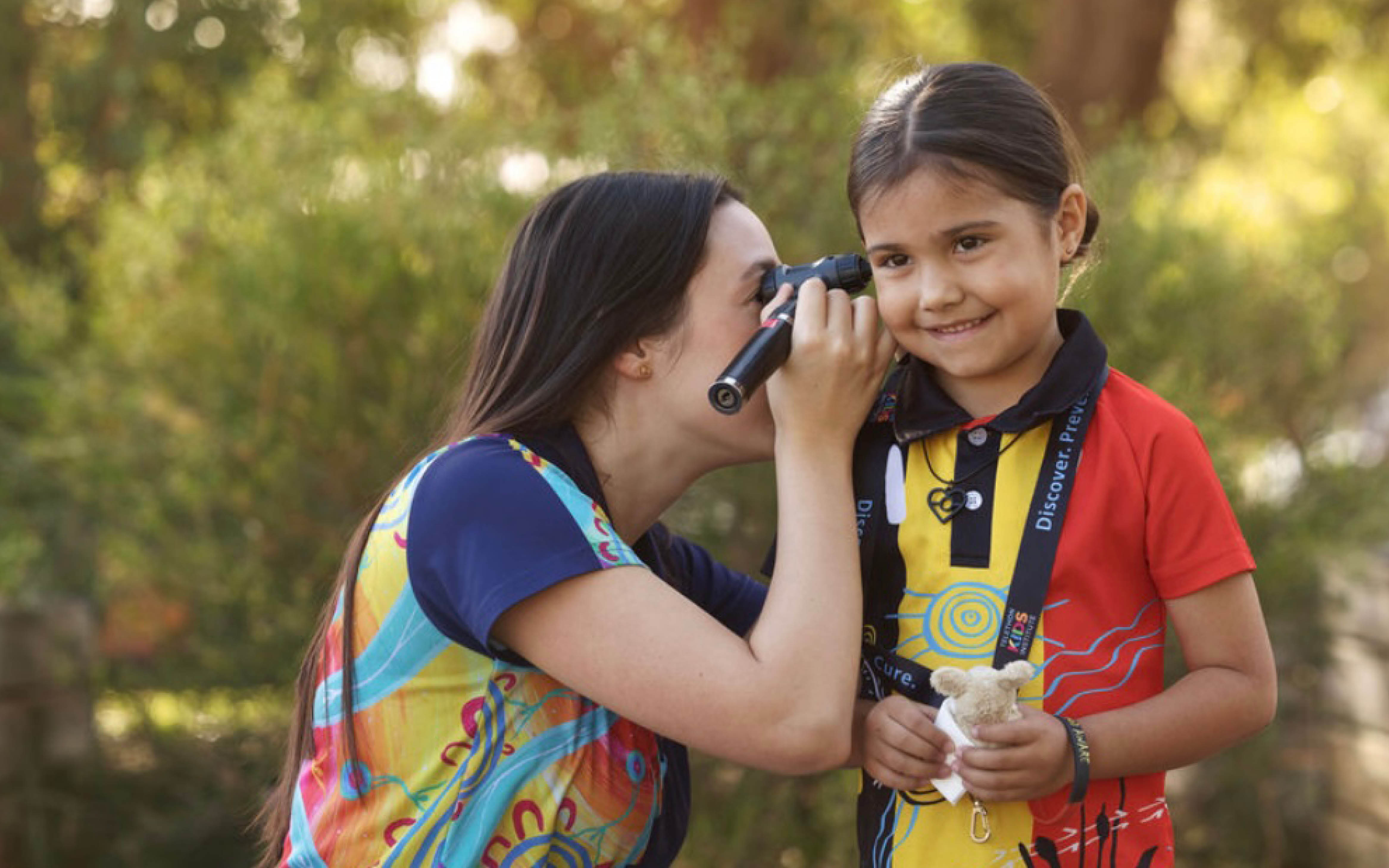
The Ear and Hearing Health team's vision is all children start primary school with good hearing.
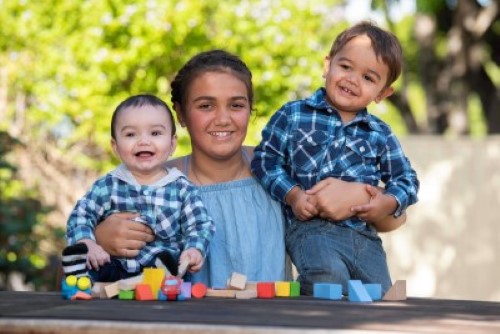
A new partnership between The Kids Research Institute Australia, Dr George Sim and St John of God Murdoch Hospital will offer essential surgery at no cost for a group of Aboriginal children suffering severe ear infections.
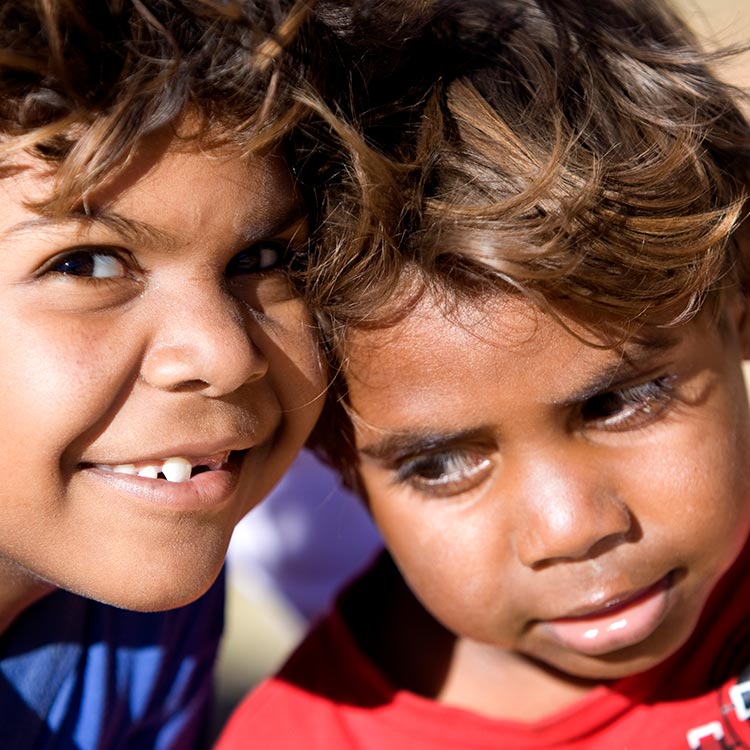
A $6 million commitment from Wesfarmers to Telethon will fund vital research to reduce the impact of chronic ear infections and other serious diseases.
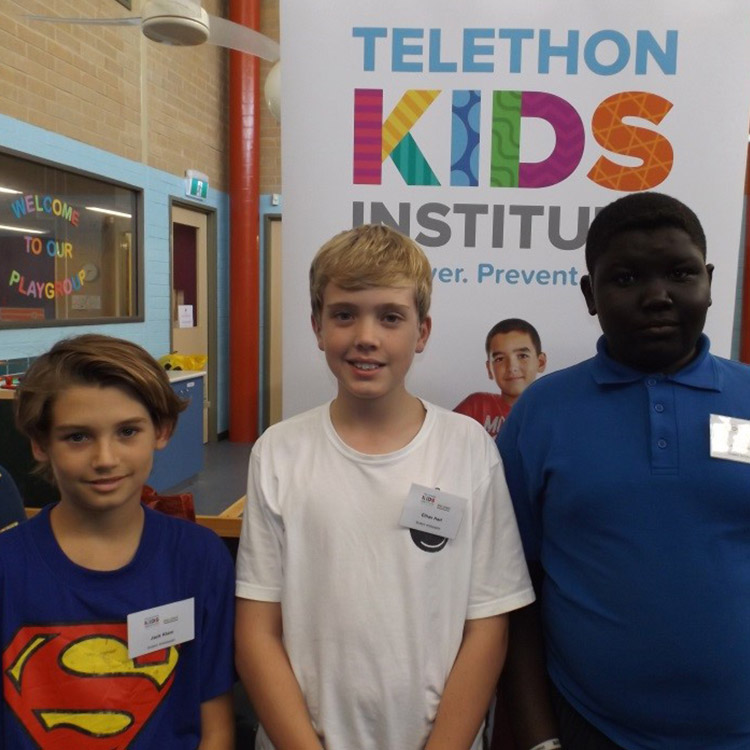
Ethan recently took part in Belong, a study led by The Kids which aims to ensure deaf and hard of hearing kids have a happy & positive school experience
Chris Brennan-Jones PhD Head, Ear and Hearing Health chris.brennan-jones@thekids.org.au Head, Ear and Hearing Health Professor Chris Brennan-Jones is
Chris Deborah Peter Tanisha Greta Karina Brennan-Jones Lehmann Richmond Cayley Bernabei Tao PhD AO, MBBS, MSc MBBS MRCP(UK) FRACP BBiomed (Hons) BSc
Deborah Peter Lehmann Richmond AO, MBBS, MSc MBBS MRCP(UK) FRACP Honorary Emeritus Fellow Head, Vaccine Trials Group Honorary Emeritus Fellow Head,
Chris Peter Brennan-Jones Richmond PhD MBBS MRCP(UK) FRACP Head, Ear and Hearing Health Head, Vaccine Trials Group chris.brennan-jones@thekids.org.au