
Search
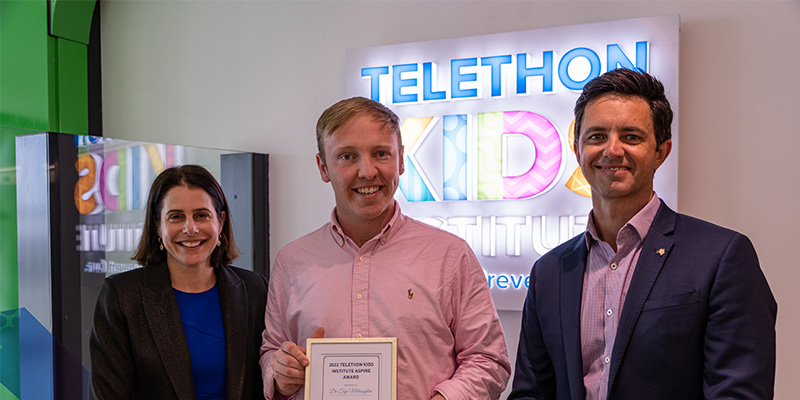
Dr Matthew ‘Tepi’ Mclaughlin is the 2022 The Kids Research Institute Australia Aspire Award winner - coordinated by Western Australia’s peak body for business events, Business Events Perth.

Eight The Kids Research Institute Australia-led projects will benefit from a Western Australian Government boost to health research for the State’s children and young people.
Encephalitis is inflammation of the brain parenchyma with heterogenous aetiology and presentation. In children, it often leads to short-term residual neurological deficits, however clinical predictors of adverse long-term outcome are not fully understood.
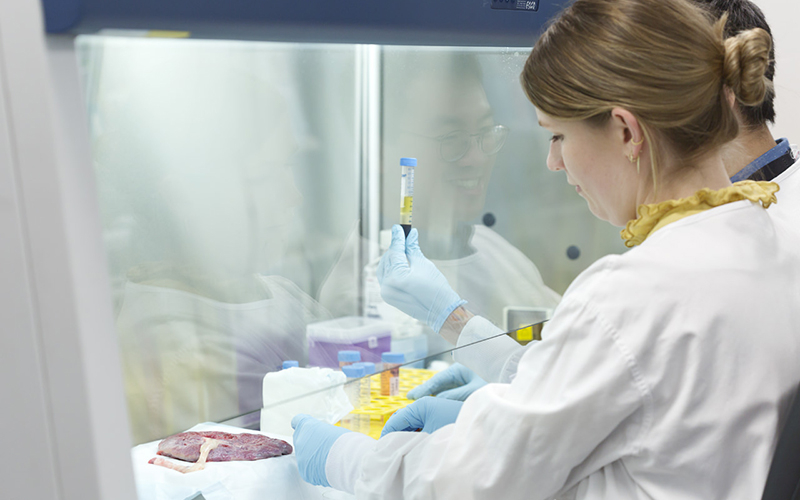
Four The Kids Research Institute Australia-based biobanks which underpin a range of cancer, respiratory and early life research have received more than $450,000 in funding.
Globally, rates of children with physical and mental health problems are increasing. Health issues in early childhood often persist into adulthood, highlighting the need to ensure children are supported to flourish from the start of life.
Jane Pillow BMedSci (Dist) MBBS, PhD (Dist) FRACP Head, Developmental Chronobiology jane.pillow@thekids.org.au Head, Developmental Chronobiology
Child anthropometric deficits remain a major public health problem in Sub-Saharan Africa (SSA) and are a key target of the UN Sustainable Development Goals (SDGs). The SDGs recommend disaggregation of health indicators by ethnic group. However, few studies have assessed how ethnicity is associated with anthropometric deficits across SSA.
Sleep problems occur in up to 20%-45% of adolescents. This systematic review and meta-analysis examined the effectiveness of digital sleep interventions, based on cognitive behavioural therapy for insomnia, for adolescents with insomnia symptoms. The objective was to synthesise and quantify, through meta-analyses, changes in sleep following completion of a digital sleep-based intervention.
Evidence-based recommendations exist for early discharge (before 48 h) of young infants with fever without source (FWS) at low risk of serious bacterial infections (SBIs). However, concerns regarding the applicability of international data to local contexts may hinder implementation. We aimed to describe the local epidemiology of FWS and evaluate a newly implemented risk-stratification guideline to support practice change.
To characterise small-area geographical variation in the prevalence of diabetes in Australian youth. A combined statistical reconstruction and small-area estimation algorithm was applied to privacy-modulated data from the 2021 Australian Census.