
Search
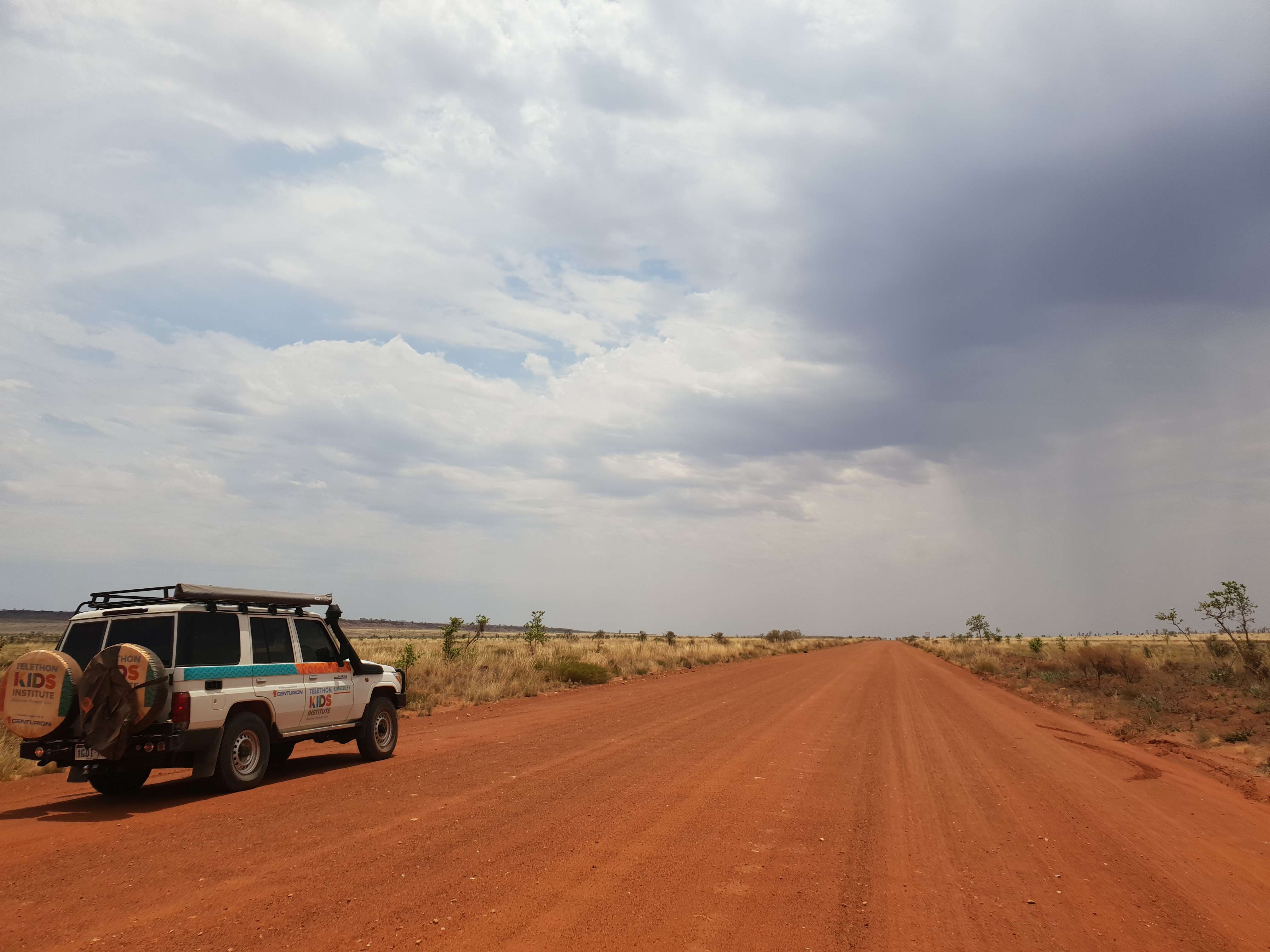
Led by The Kids Research Institute Australia and Aboriginal health organisations in close partnership with nine Aboriginal communities in Western Australia’s Kimberley region, the five-year SToP Trial set out to identify the best possible methods to See, Treat and Prevent painful skin sores and scabies.
Latest news & events at the Wesfarmers Centre of Vaccines & Infectious Diseases.
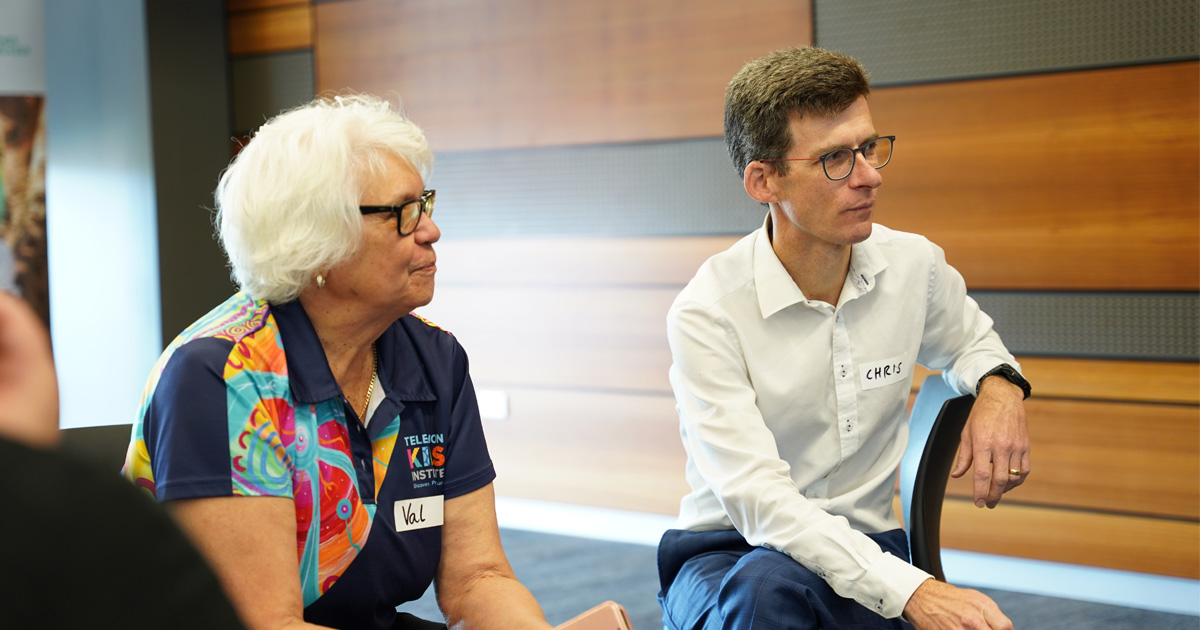
Researchers from the Wesfarmers Centre of Vaccines and Infectious Diseases at The Kids Research Institute Australia have shared their expertise with the community in Cockburn, covering topics ranging from respiratory disease in babies to recurring ear infections in kids.

Paediatric infectious disease expert and clinician-scientist Associate Professor Asha Bowen has been named as the Emerging Leader in Science at the country’s most prestigious science awards – the Australian Museum Eureka Prizes.
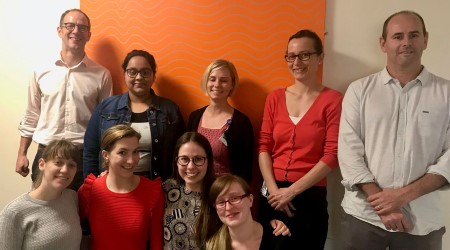
Clinical Professor Tobias Strunk, Dr Andrew Currie and their Neonatal Infection and Immunity Team have become the newest members of the Wesfarmers Centre of Vaccines and Infectious Diseases.
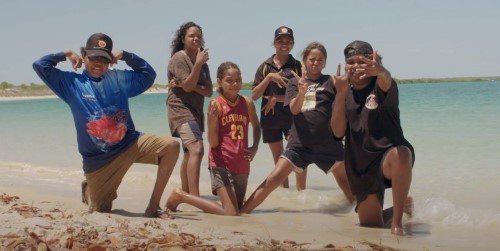
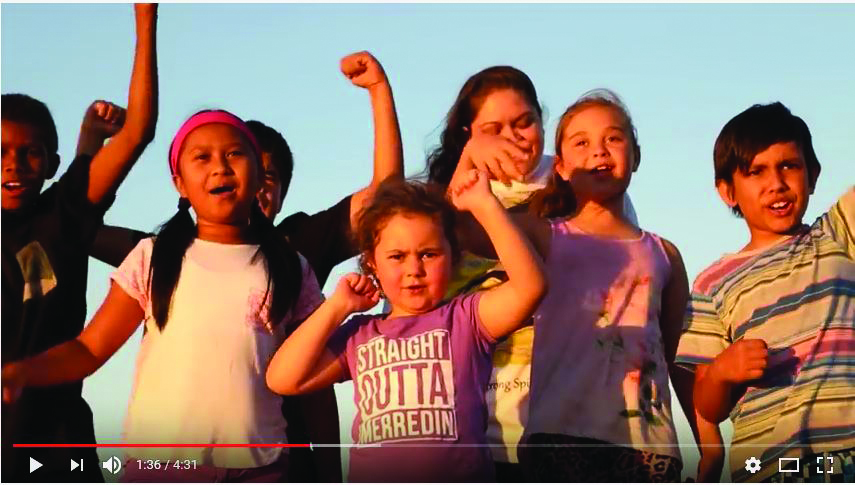
The Kids Research Institute Australia researchers have launched the Hip Hop 2 SToP video featuring school kids participating in their SToP Trial project designed to see, treat and prevent skin infections in WA’s Kimberley region.

End RHD CRE News & Events
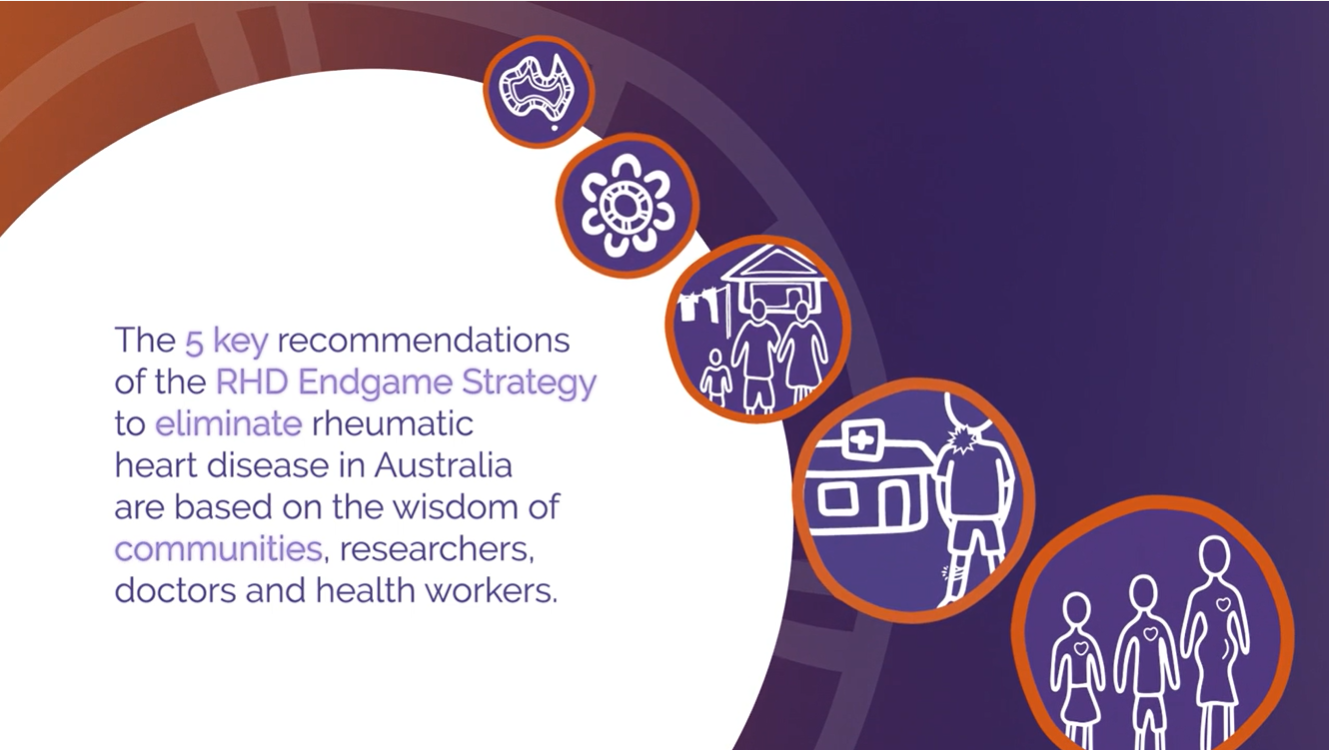
Across Australia, more than 5,000 Aboriginal and Torres Strait Islander people are currently living with rheumatic heart disease (RHD) or its precursor, acute rheumatic fever (ARF).
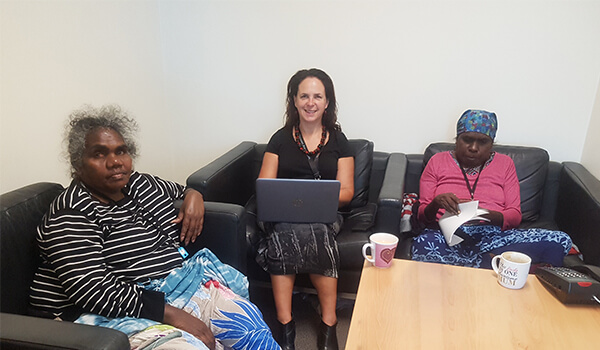
For Aboriginal Community Researchers Minitja Marawili and Yunutju Gondarra, the work of the END RHD CRE is deeply personal.
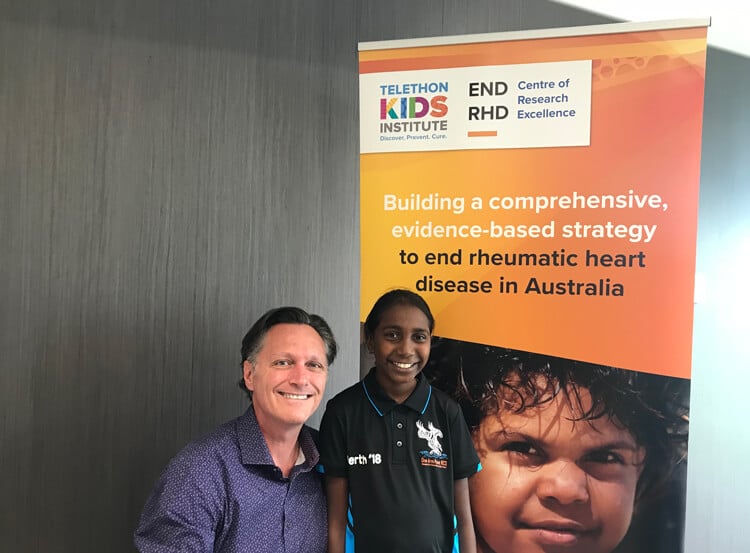
Laqueisha was just five years old when she was diagnosed with rheumatic heart disease and sent on a 5,000km return trip to Perth for major heart surgery.
Fear of severe adverse reaction (SAR) and reluctance of health care providers to administer intramuscular injections are major contributing factors to poor adherence of benzathine penicillin G (BPG) in the management of rheumatic heart disease (RHD). However, data on the risk of SARs following BPG injections for RHD are relatively limited and inconclusive. Our systematic review and meta-analysis aimed to evaluate the incidence of SARs associated with BPG injections used for secondary prophylaxis of RHD.
Although benzylpenicillin (penicillin G) is listed by the World Health Organization as an Essential Medicine, dose optimization is a persistent challenge, especially for long-acting intramuscular formulations. Maintaining sustained antibiotic exposure at target concentrations is crucial for secondary chemoprophylaxis of rheumatic heart disease and treatment of syphilis.
Environmental factors including household crowding and inadequate washing facilities underpin recurrent streptococcal infections in childhood that cause acute rheumatic fever (ARF) and subsequent rheumatic heart disease (RHD).
Children spend almost one-third of their waking hours at school. Streptococcus pyogenes (Strep A) is a common childhood bacterial infection that can progress to causing serious disease. We aimed to detect Strep A in classrooms by using environmental settle plates and swabbing of high-touch surfaces in two remote schools in the Kimberley, Western Australia.
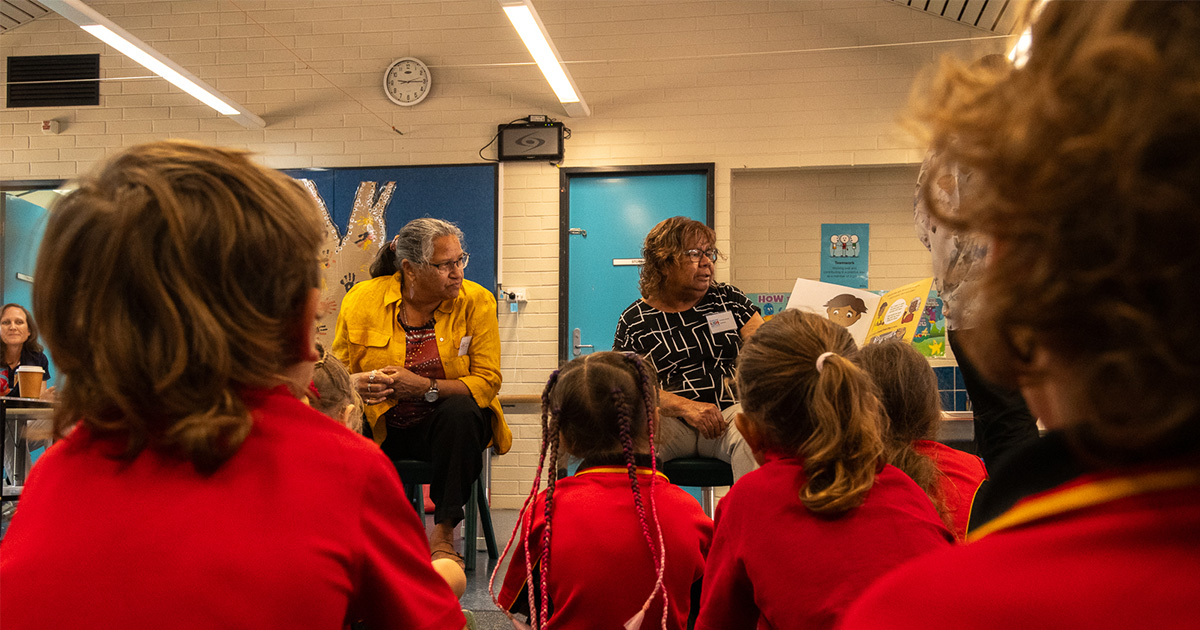
A children’s book – written by community, for community – has been launched in Western Australia’s south-west to help children and families understand more about one of the most common inflammatory skin conditions in children.
An innovative program set to run for about two and a half years aims to halve the number of children affected by skin infections.

Families living in remote Kimberley communities are paying up to twice as much for everyday items needed to support healthy living, according to new research led by The Kids Research Institute Australia.