
Search
Associate Professor Lesterhuis said the gel, developed with the help of chemists at The University of Western Australia, could revolutionise the way solid tumours were treated.
Diagnostic irradiation of the mother during pregnancy increases the risk of childhood acute lymphoblastic leukemia
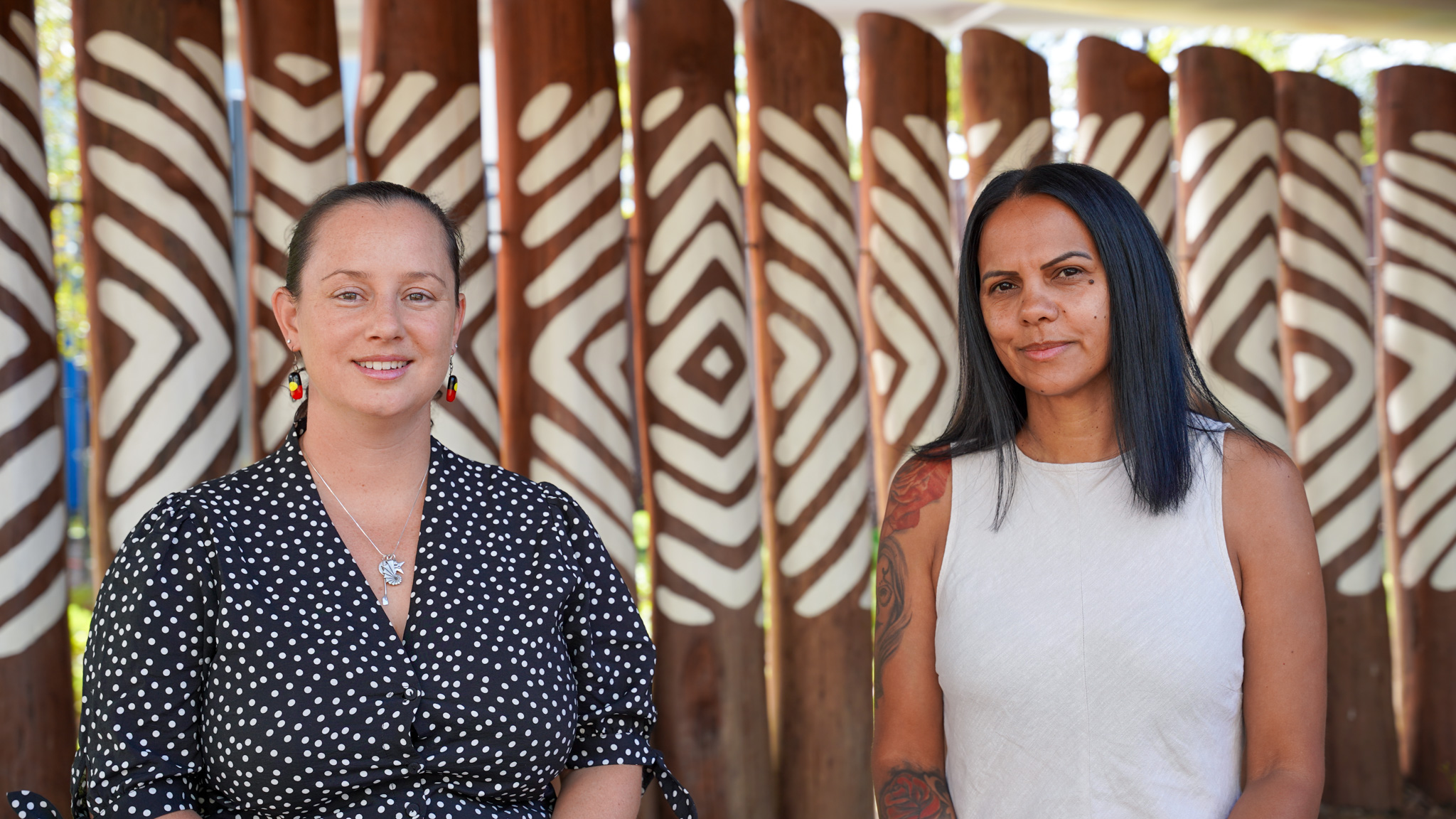
A first of its kind research program at The Kids Research Institute Australia aims to develop new strategies to better treat Aboriginal and Torres Strait Islander children with cancer.
Projects to improve outcomes for leukaemia patients and reduce skin cancer rates in young Aboriginal people have received funding through Cancer Council WA.
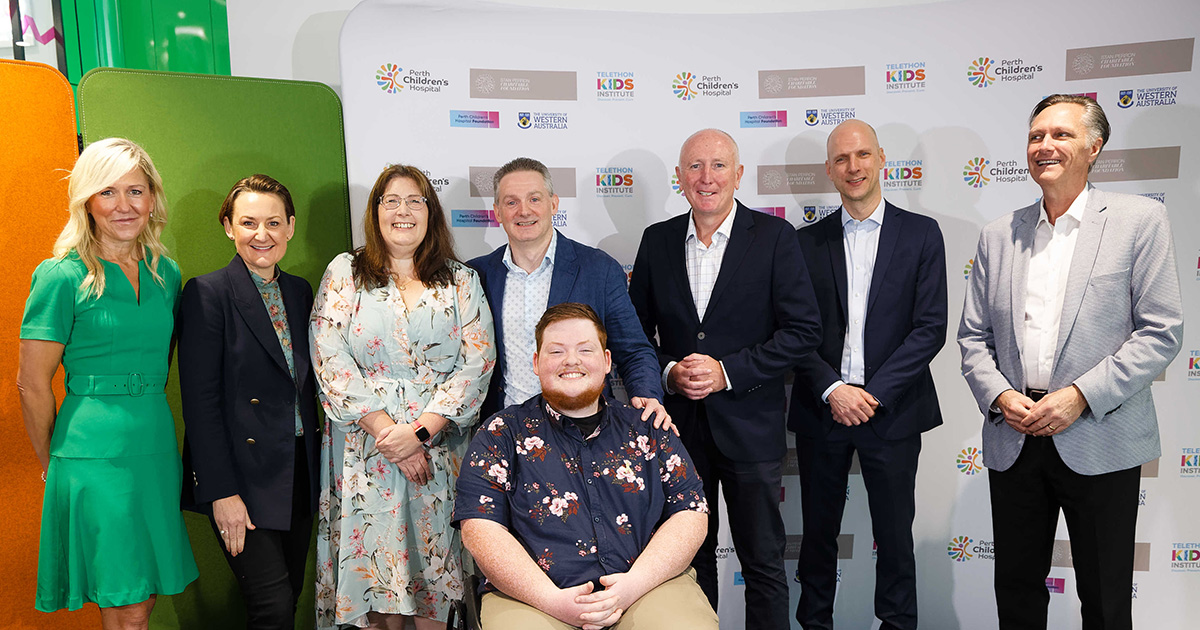
One of WA’s biggest ever philanthropic gifts will transform childhood cancer research and treatment by improving outcomes for children with cancer and discovering more effective and less toxic treatments.
A pilot clinical study, led in Australia by a The Kids Research Institute Australia and Perth Children's Hospital researcher, has found an immunotherapy drug can dramatically increase survival rates for babies with a rare form of leukaemia, paving the way for a major international clinical trial.
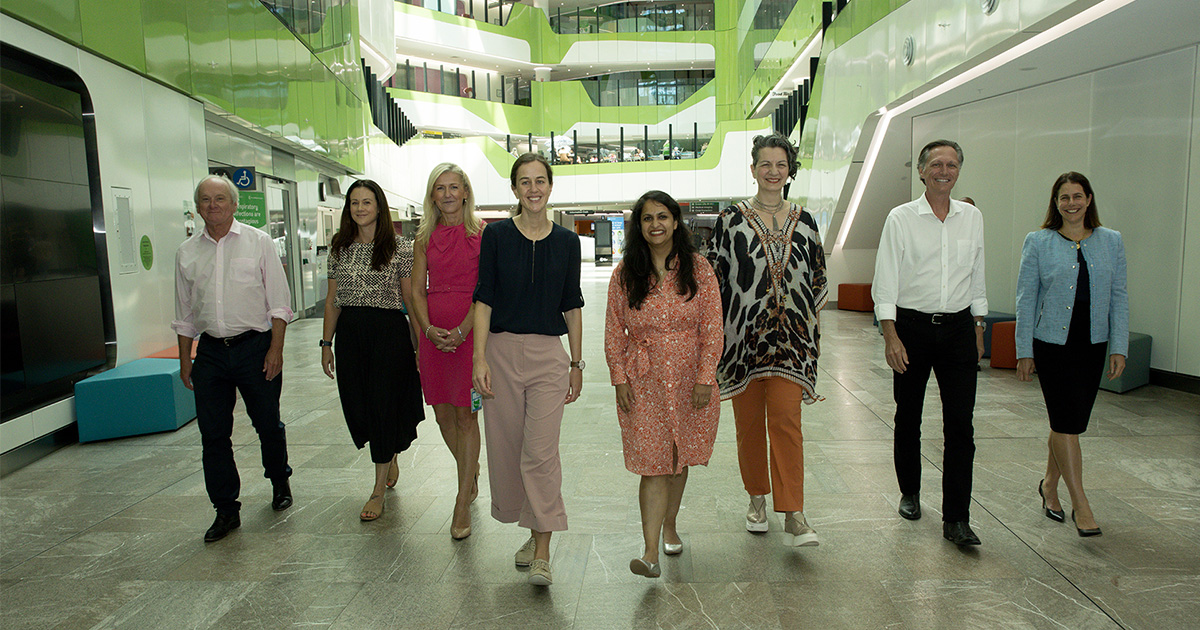
Two outstanding Perth Children’s Hospital clinicians will be supported to pursue a career in medical research, paving the way for more clinician-scientists in Western Australia.
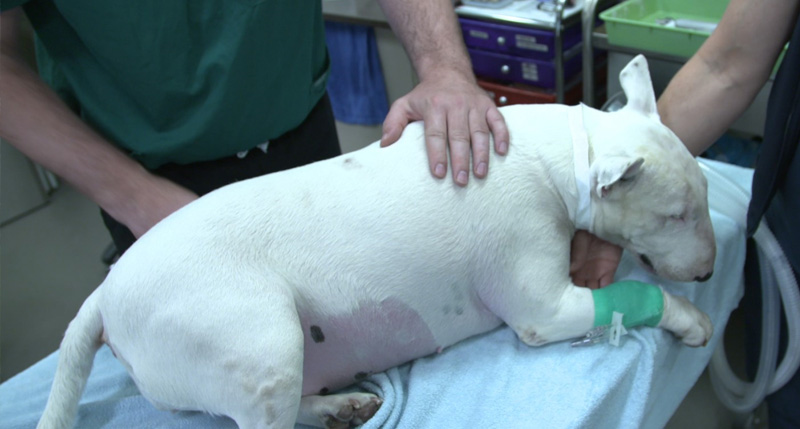
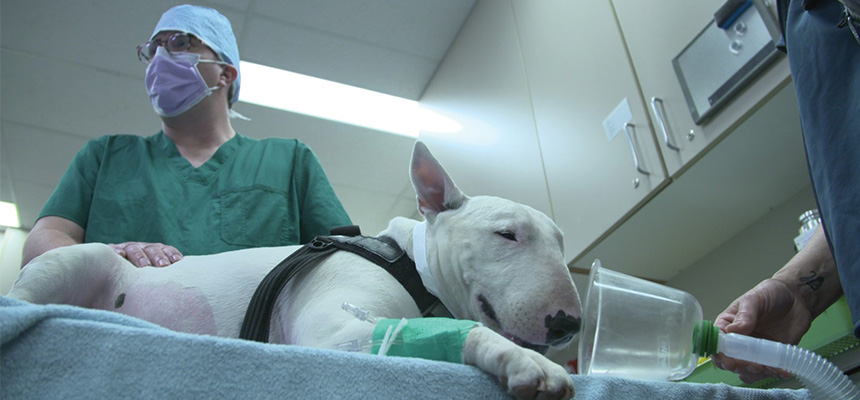
The Kids Research Institute Australia is leading a unique clinical trial in pet dogs that could pave the way for a new immunotherapy treatment for one of the most common childhood cancers, Sarcoma.
High-grade gliomas including glioblastoma (GBM) and diffuse midline gliomas (DMG) represent the most lethal and aggressive brain cancers where current treatment modalities offer limited efficacy. Chimeric antigen receptor (CAR) T cell therapies have emerged as a promising strategy, boasting tumor-specific targeting and the unique ability to penetrate the blood-brain barrier.
Despite significant advances, outcomes for children with Down syndrome (DS, trisomy 21) who develop acute lymphoblastic leukemia remain poor. Reports of large DS-ALL cohorts have shown that children with DS have inferior event-free survival and overall survival compared to children without DS.