
Search
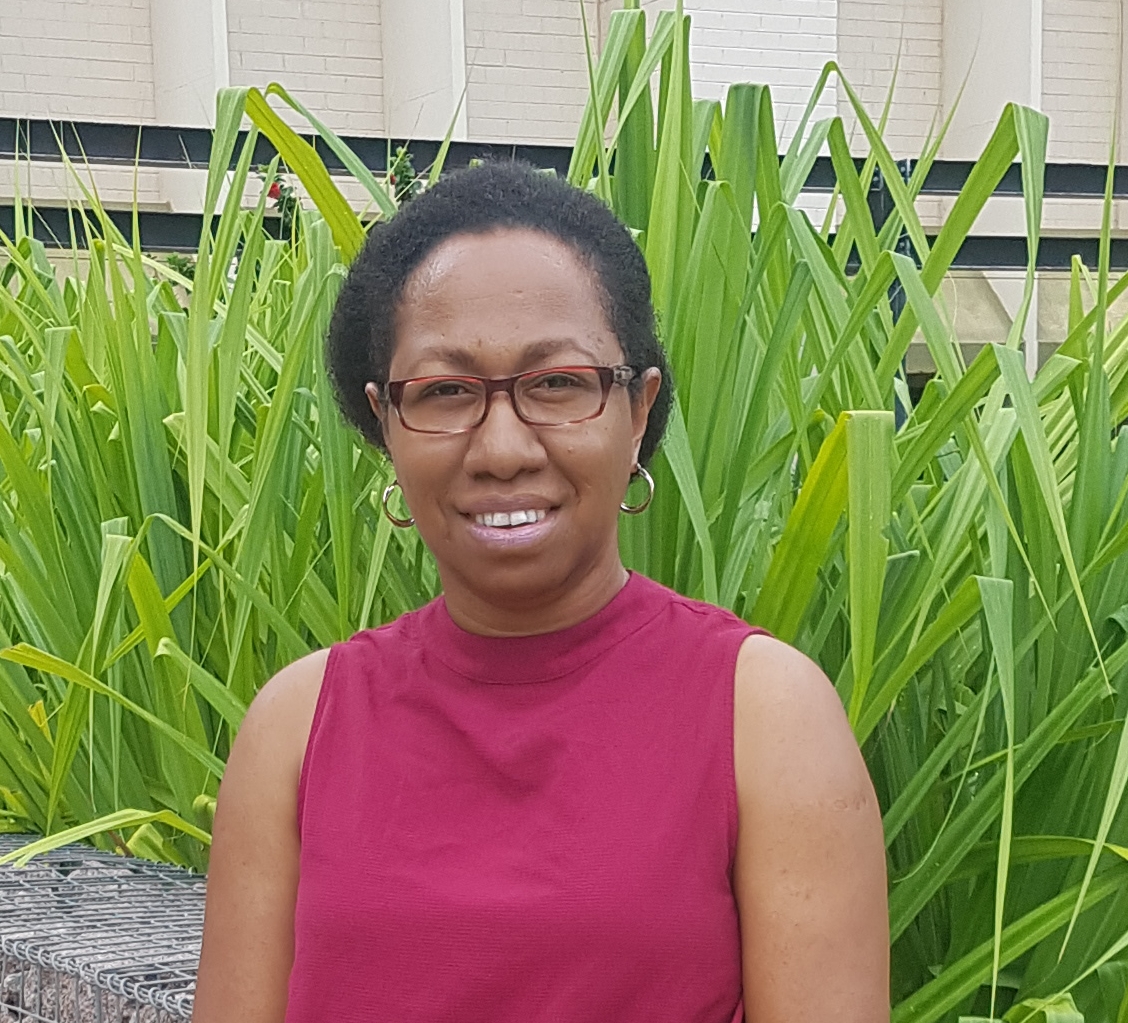
Congratulations goes to Celestine Aho, the inaugural winner of the $30,000 Deborah Lehmann Research Award.
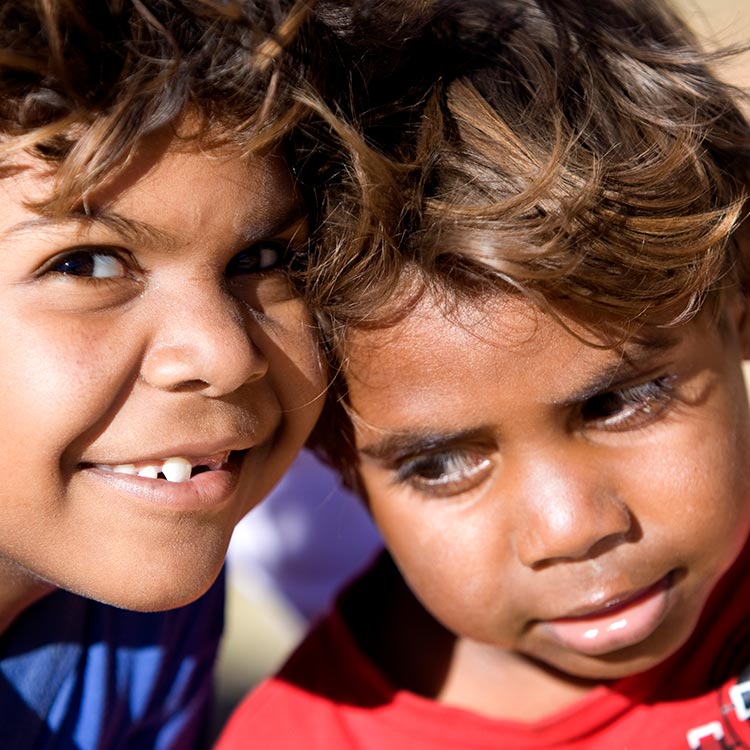
A $6 million commitment from Wesfarmers to Telethon will fund vital research to reduce the impact of chronic ear infections and other serious diseases.
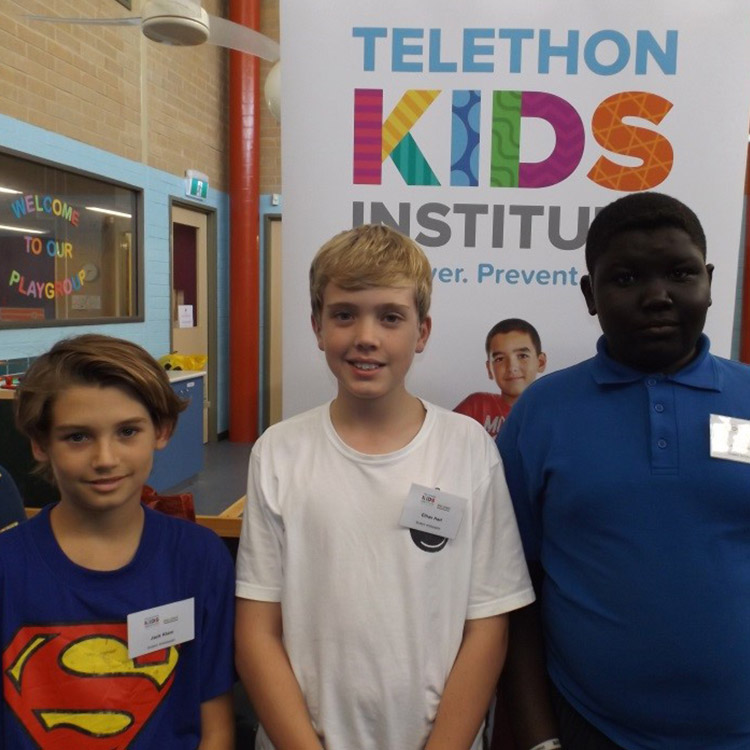
Ethan recently took part in Belong, a study led by The Kids which aims to ensure deaf and hard of hearing kids have a happy & positive school experience
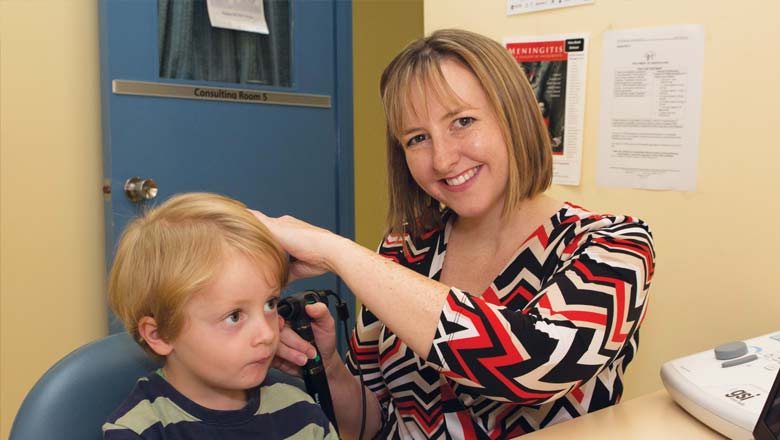
The Kids is investigating whether a cystic fibrosis medication may be the answer to ear infections, reducing the need for antibiotics and surgery.
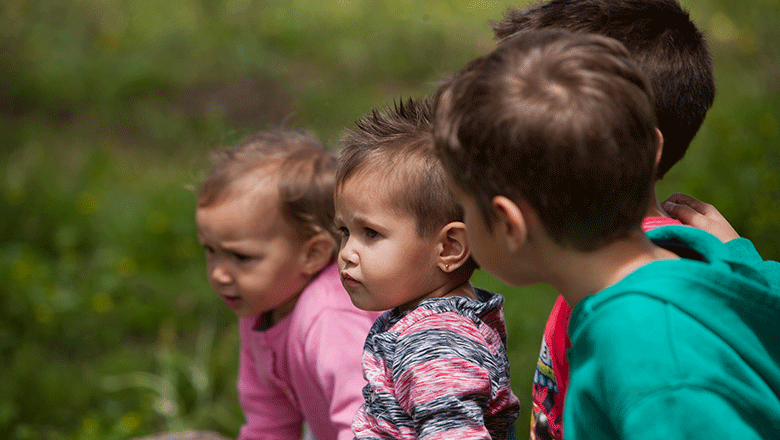
Acknowledging the enormous efforts in ear health programs across WA, we invite stakeholders to assist us in establishing research priorities.

The Kids researchers discovered that overcrowding is the strongest predictor of carriage of bacteria that cause otitis media
The Kids's Dr Ruth Thornton is one of 12 finalists in the annual national Fresh Science competition with her research into middle-ear infections.
The Advisory Council on the Prevention of Deaths of Children and Young People today officially released this report.
Aboriginal researcher Annette Stokes has been awarded the Fiona Stanley Medal for her commitment to improving child health and wellbeing.
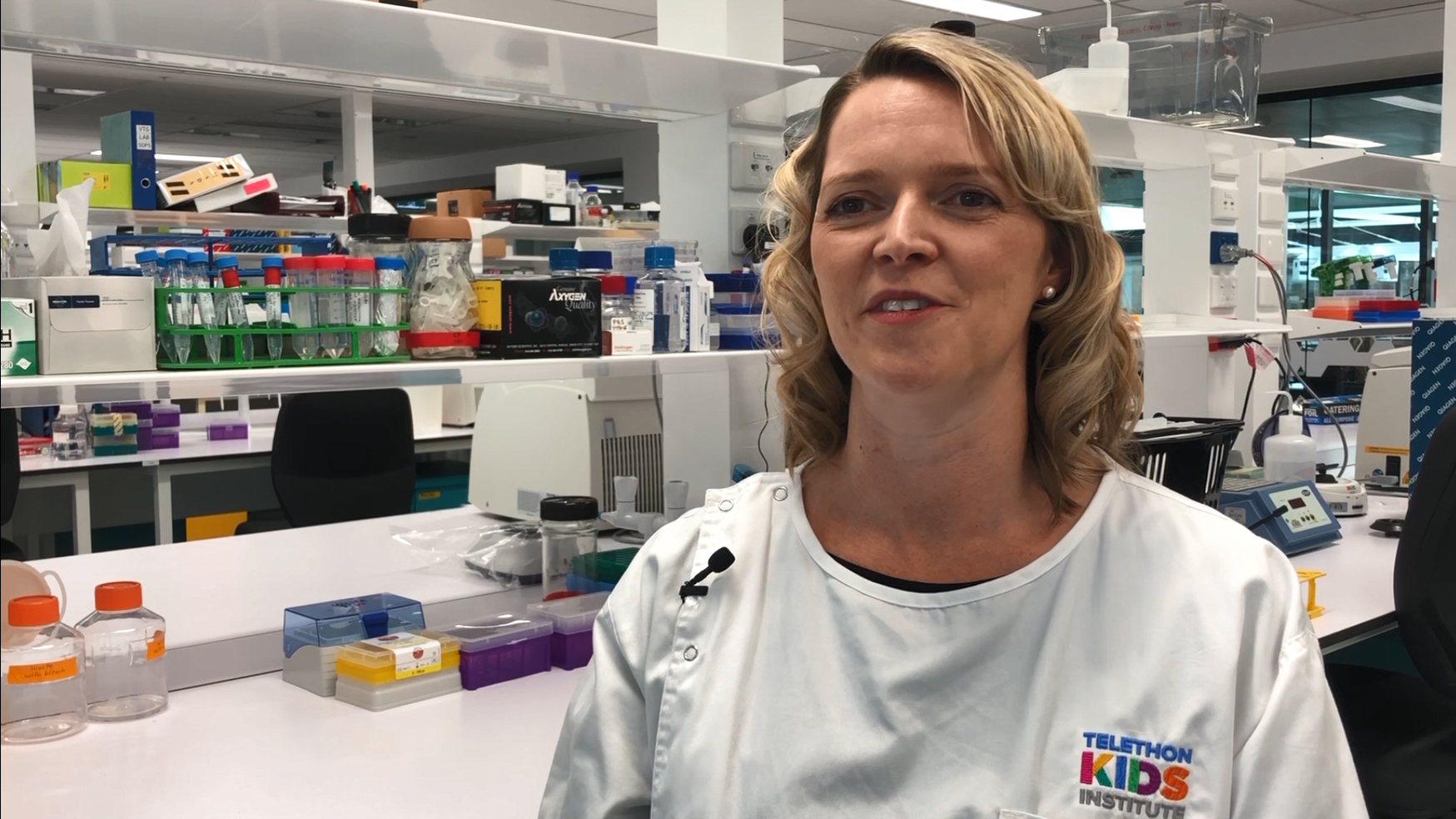
A nasal spray that could potentially prevent childhood ear infections and reduce antibiotic use is a step closer to clinical trials thanks to a $500,000 CUREator grant.