
Search
Glycemia risk index (GRI) is a novel composite metric assessing overall glycemic risk, accounting for both hypoglycemia and hyperglycemia and weighted toward extremes. Data assessing GRI as an outcome measure in closed-loop studies and its relation with conventional key continuous glucose monitoring (CGM) metrics are limited.
Given limited data regarding the involvement of disadvantaged groups in paediatric diabetes clinical trials, this study aimed to evaluate the socioeconomic representativeness of participants recruited into a multinational clinical trial in relation to regional and national type 1 diabetes reference populations.
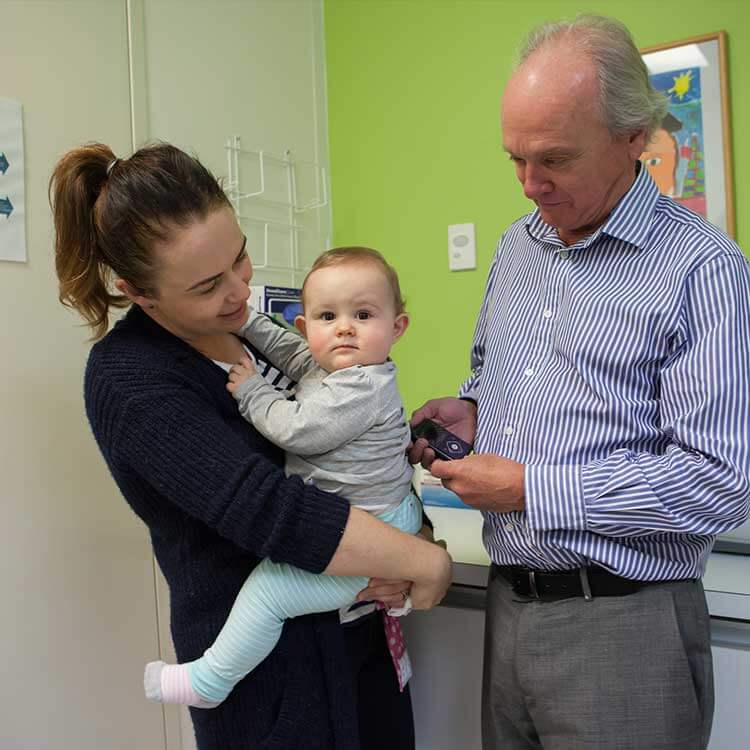
The Children's Diabetes Centre's research into Type 1 diabetes, childhood onset Type 2 diabetes and obesity aims to improve the lives of children and adolescents affected by these conditions.
Our research focuses on what are the best ways for patients with Type 1 Diabetes to exercise safely. We aim to develop clinical guidelines that provide improved advice for patients and educate patients on how to prevent hypos during and after exercise.
This study will tell us if the use of a hybrid closed loop system can improve awareness of hypoglycaemia.
The national Hybrid Closed-Loop Outpatient Trial will test the use of an automated insulin delivery system to see if it is better at optimising blood glucose levels than standard therapy.
This resource will allow researchers to carry out studies which will look at the genetic causes of excessive weight gain and identify biomarkers
The Obesity Database records the characteristics and medical complications of children with obesity who present to treatment at Princess Margaret Hospital
This register was established at Princess Margaret Hospital in 1987 which stores data on all consenting patients attending the hospital’s diabetes clinic.
The Serum & Plasma bank was established to provide a store of samples from subjects with diabetes as well as their families.