
Search
There has been renewed interest in the therapeutic use of bacteriophages (phages); however, standardised therapeutic protocols are lacking, and there is a paucity of rigorous clinical trial data assessing efficacy.
The gut microbiome plays a significant role in regulating the host’s ability to store fat, which impacts the development of obesity. This observational cohort study recruited obese adult men and women scheduled to undergo sleeve gastrectomy and followed up with them 6 months post-surgery to analyse their microbial taxonomic profiles and associated metabolites in comparison to a healthy control group.
This position statement, updated from the 2015 guidelines for managing Australian and New Zealand children/adolescents and adults with chronic suppurative lung disease (CSLD) and bronchiectasis, resulted from systematic literature searches by a multi-disciplinary team that included consumers.
Survival statistics, estimated using data from national cystic fibrosis (CF) registries, inform the CF community and monitor disease progression. This study aimed to estimate survival among people with CF in Australia and to identify factors associated with survival.
Noninvasive measurement of respiratory impedance by oscillometry can be used in young children aged from 3 years and those unable to perform forced respiratory manoeuvres. It can discriminate between healthy children and those with respiratory disease. However, its clinical application is limited by the lack of reference data for African paediatric populations. The aim of the present study was to develop reference equations for oscillometry outcomes in South African children and adolescents.
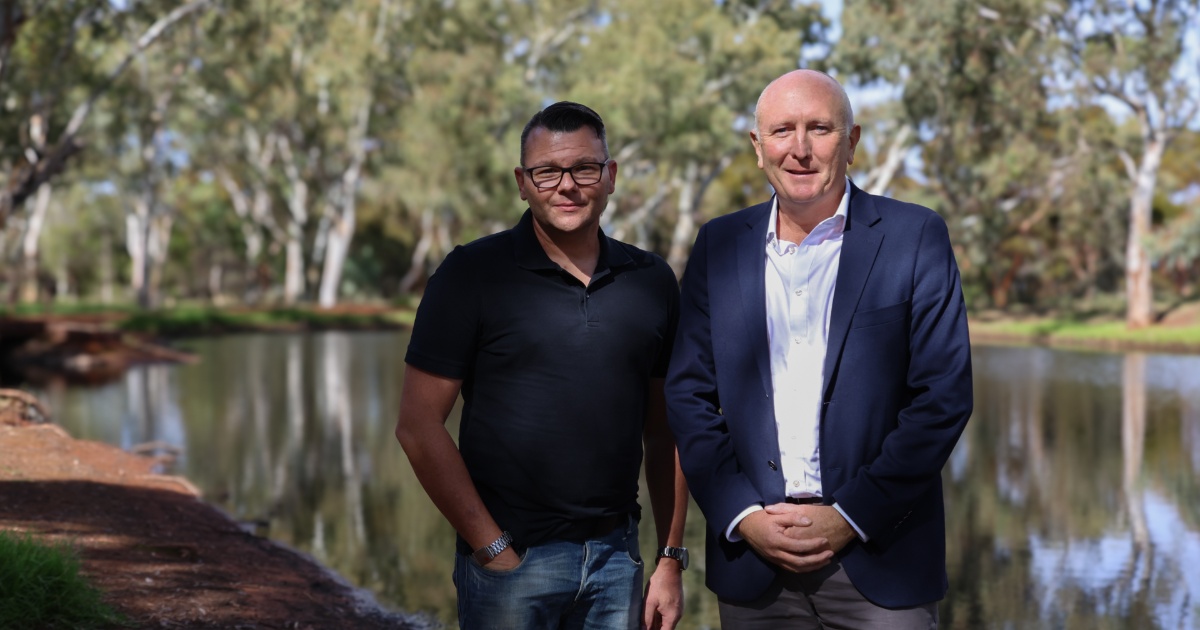
Scientists at The Kids Research Institute Australia are taking their fight against antibiotic- resistant superbugs to the Goldfields working alongside local Indigenous communities and councils.
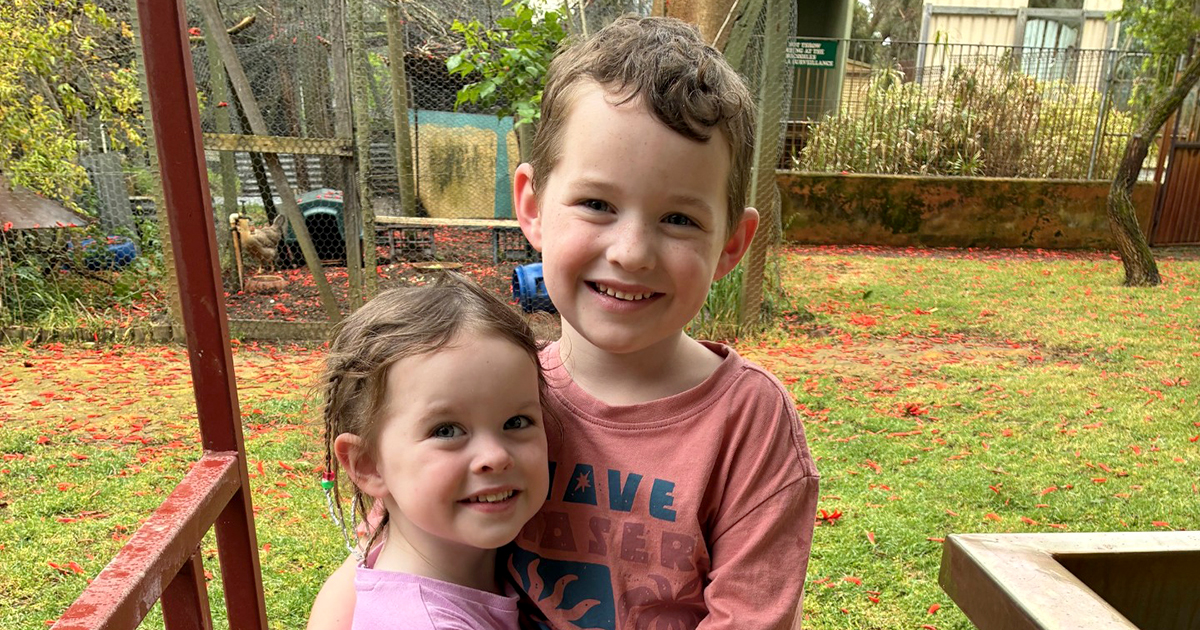
For decades, cystic fibrosis (CF) meant a life shaped by daily treatments, frequent hospitalisations, and an uncertain future. The arrival of CFTR modulators has changed that picture dramatically, and researchers at the Wal-yan Respiratory Research Centre now want to understand the bigger picture.
Rising carbon dioxide levels are being detected within the human body, with new research warning a key blood marker for the gas could near its healthy limit within decades if current trends continue.
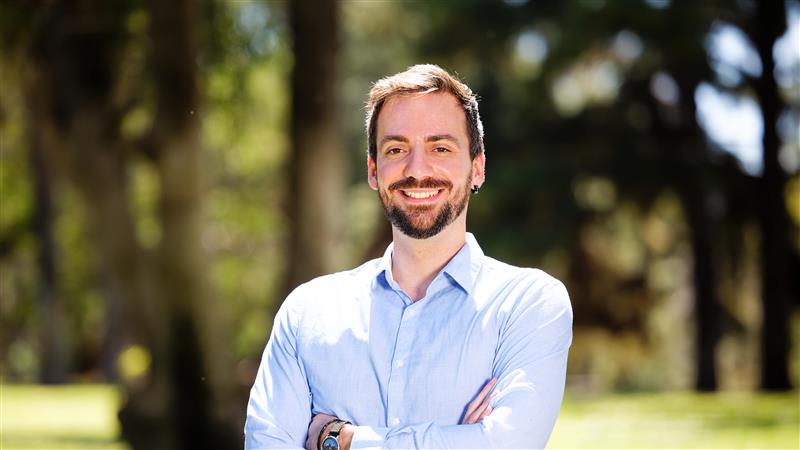
Researchers developing a world-first treatment that targets an underlying cause of asthma have secured a $499,640 grant from the Future Health, Research and Innovation Fund – Innovation Seed Fund.

Dr Renee Ng, a microbiologist specialising in bacteriophage therapy – an alternative to antibiotics to fight antimicrobial resistance – will travel to the world’s premier conference on viruses, bringing new ideas, connections and expertise back to Perth.