
Search
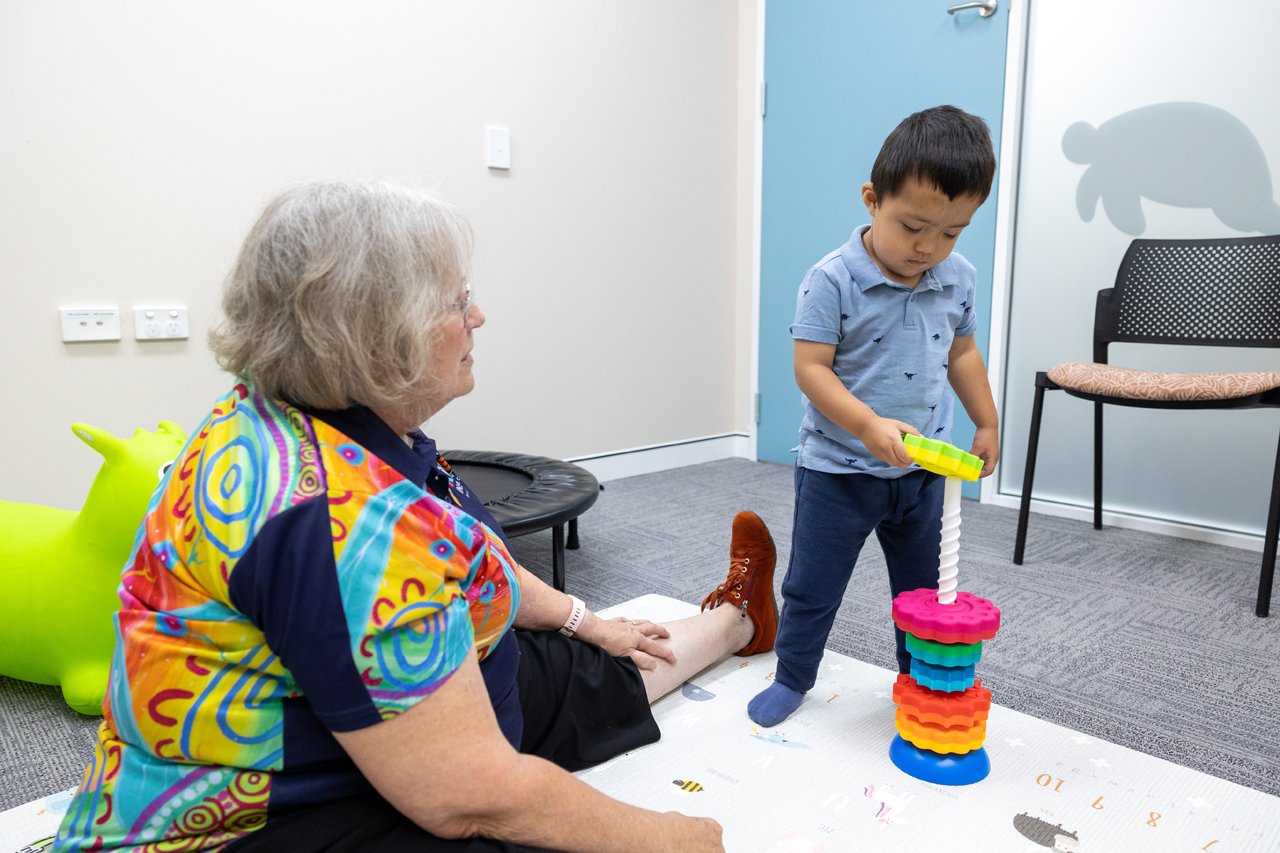
In this blog, Speech Pathologist Emma Corry explores what neurodiversity is, and what it means in the context of supporting autistic children. Many people may have heard the term “neurodiversity” but what does this term actually mean? In this blog, we are going to dive into the foundations of neurodiversity.

In this blog, Senior Occupational Therapist Gayle Hillen explores the steps to developing a functional pencil grasp.

In this blog, Occupational Therapist Tarryn Culverhouse provides some tips to help your child increase their independence in dressing.
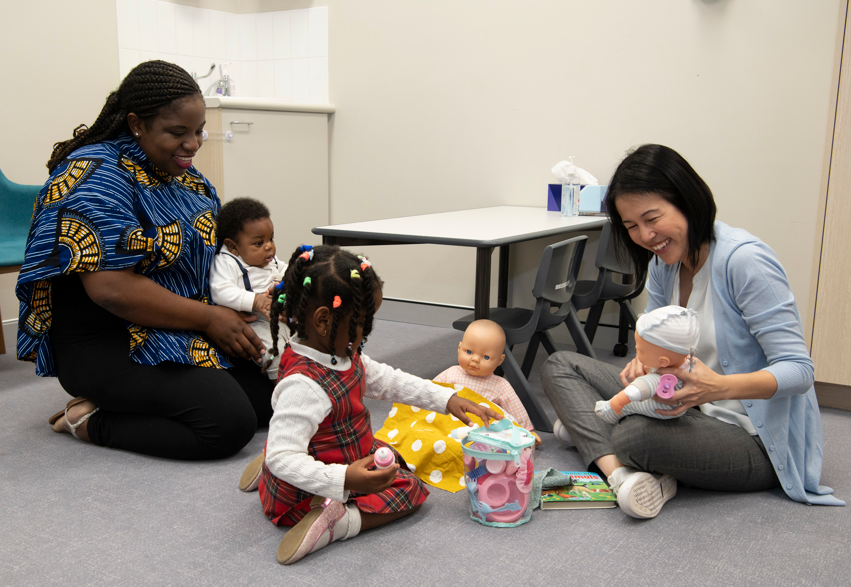
In this blog, Speech Pathologist Linda Arabi discusses the social model and how it influences the supports we provide to autistic children and their families.
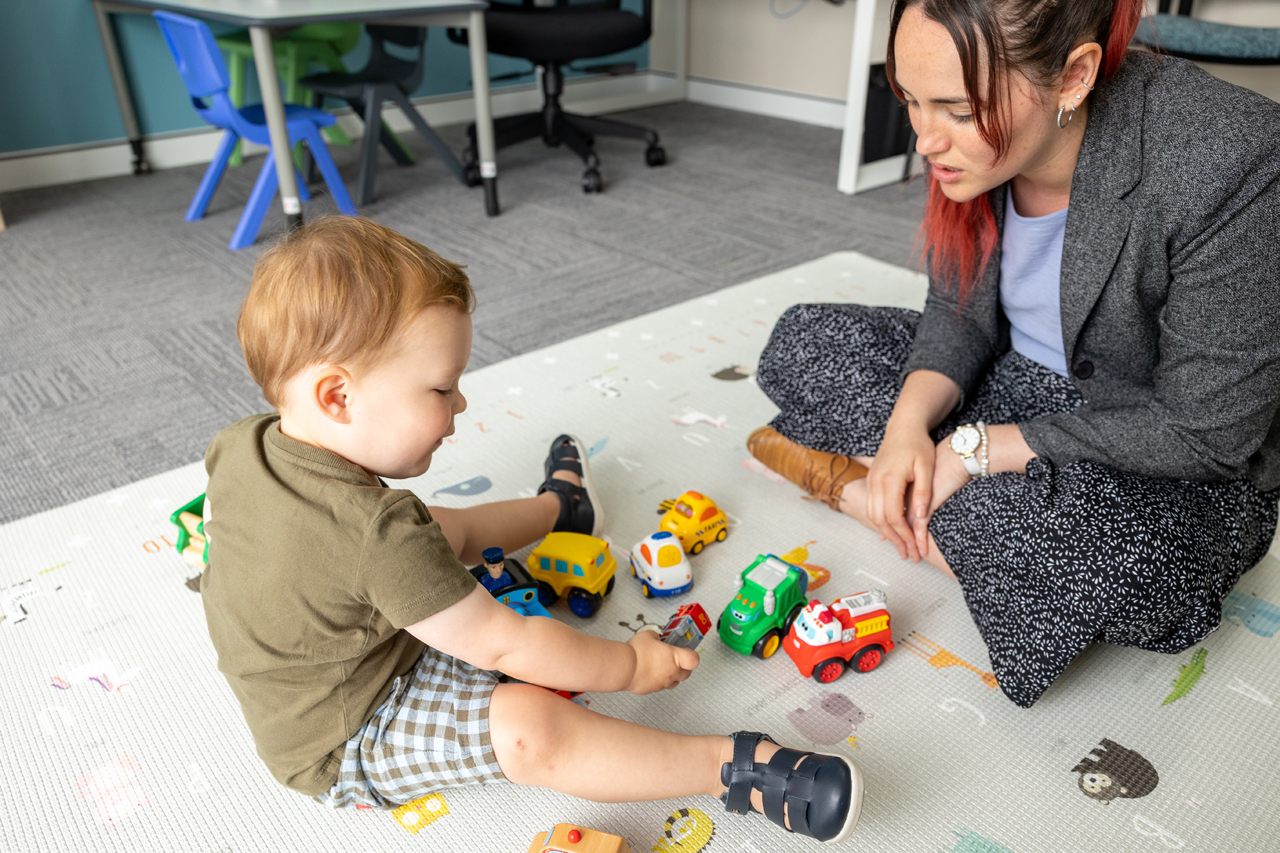
In this new blog, Speech Pathologist Emma Corry looks at the importance of shared attention for connection, communication and learning.
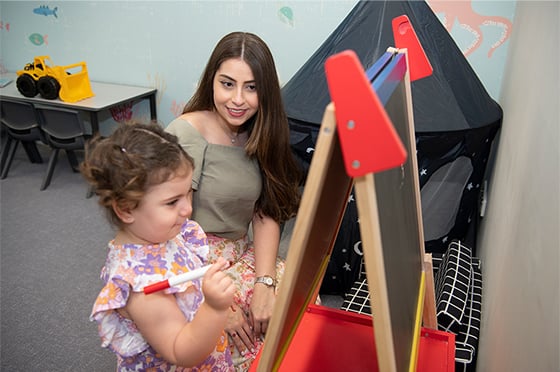
Senior Speech Pathologist Marisa Di Lorenzo looks at social communication and language outcomes for bilingual autistic children.
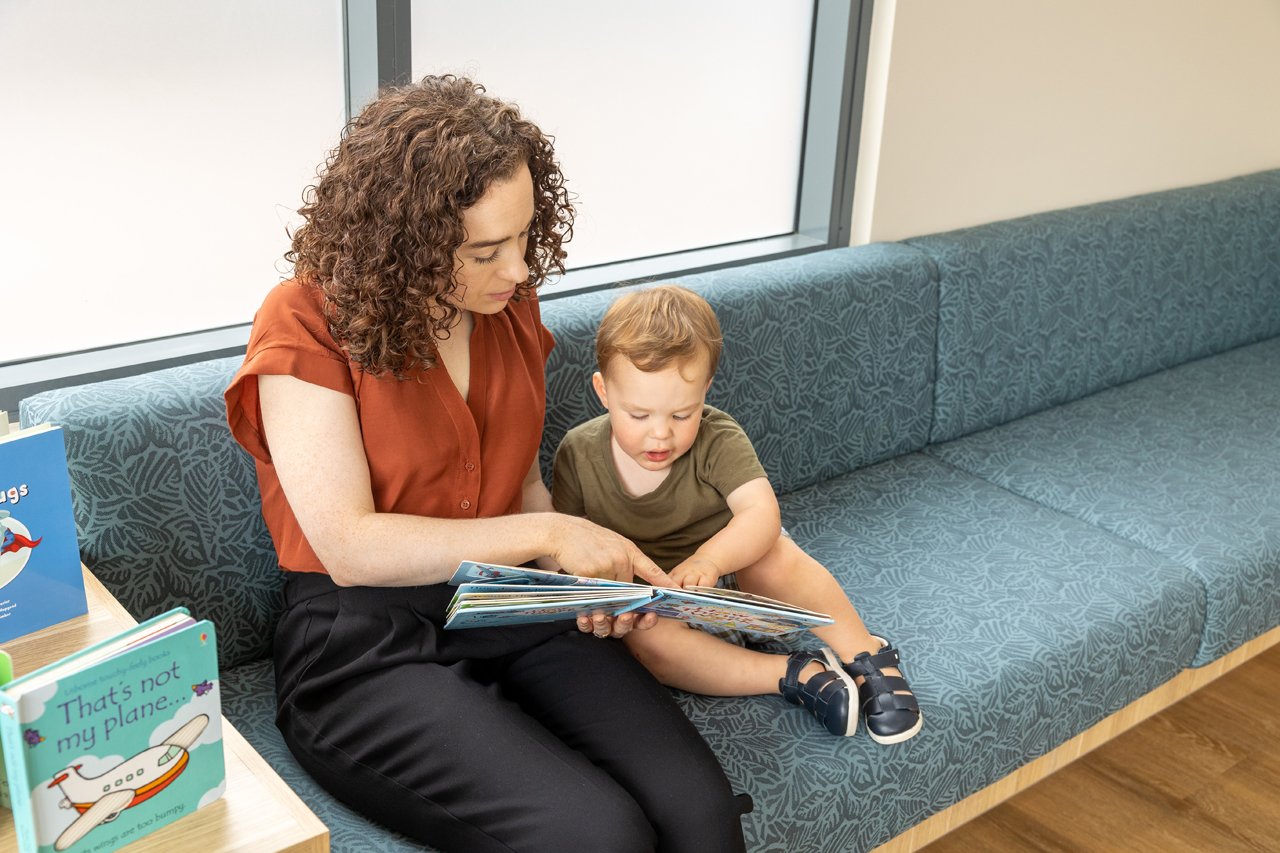
Senior Speech Pathologist Sally Grauaug looks at how to build the foundations of communication with your child.

In this blog, Speech Pathology Lead Aria May explores how to talk to your child about a recent autism diagnosis.

In this new blog, Speech Pathology Lead Aria May looks at the importance of Autism Acceptance Month and what you can do to move towards a truly inclusive community.

In this blog, Occupational Therapy Lead Marie Rodatz looks at the strategies to support a great school holiday outing for your autistic child.