
Search
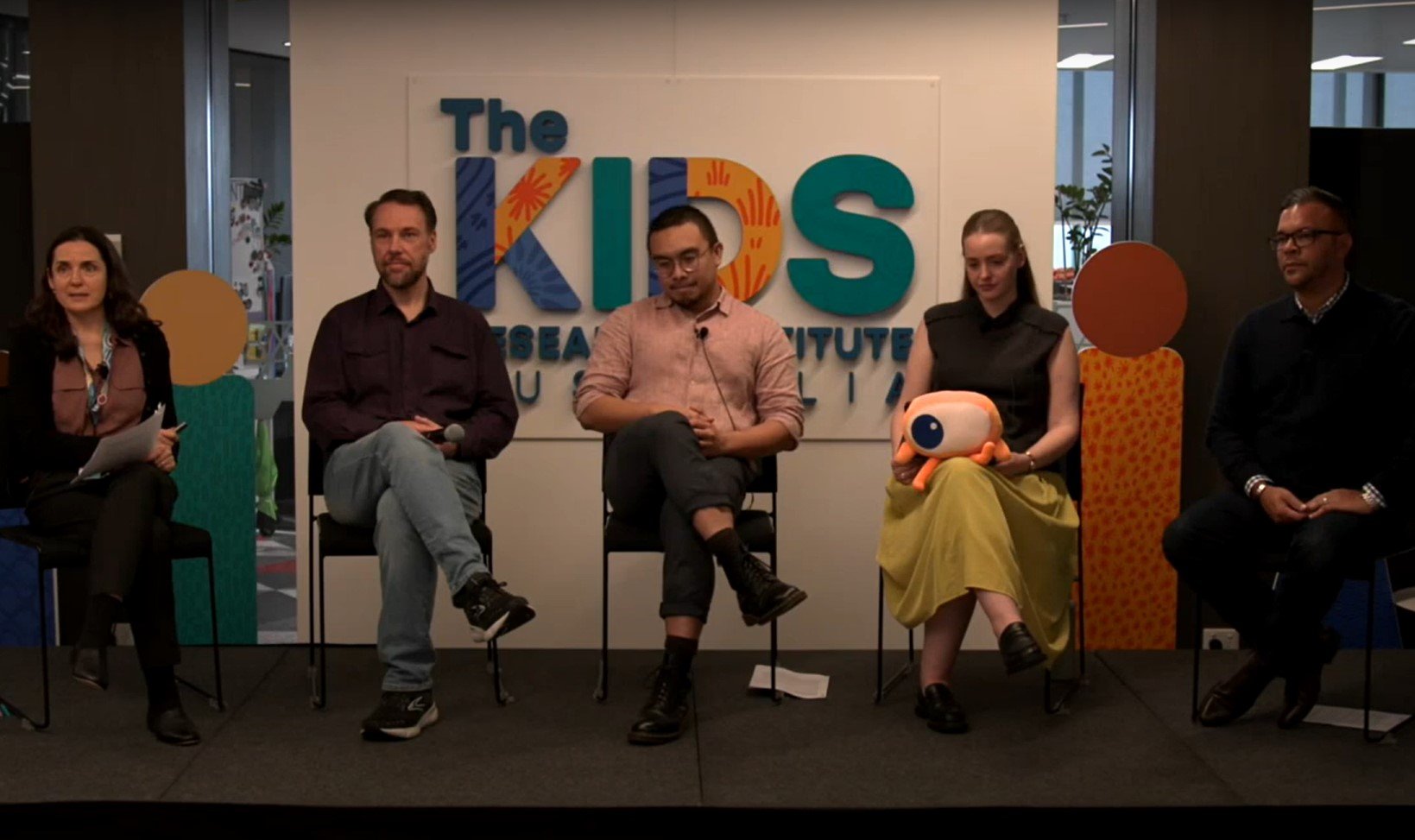
Watch our webinar for parents offering tips on how to support their children amid a rise in online misinformation.
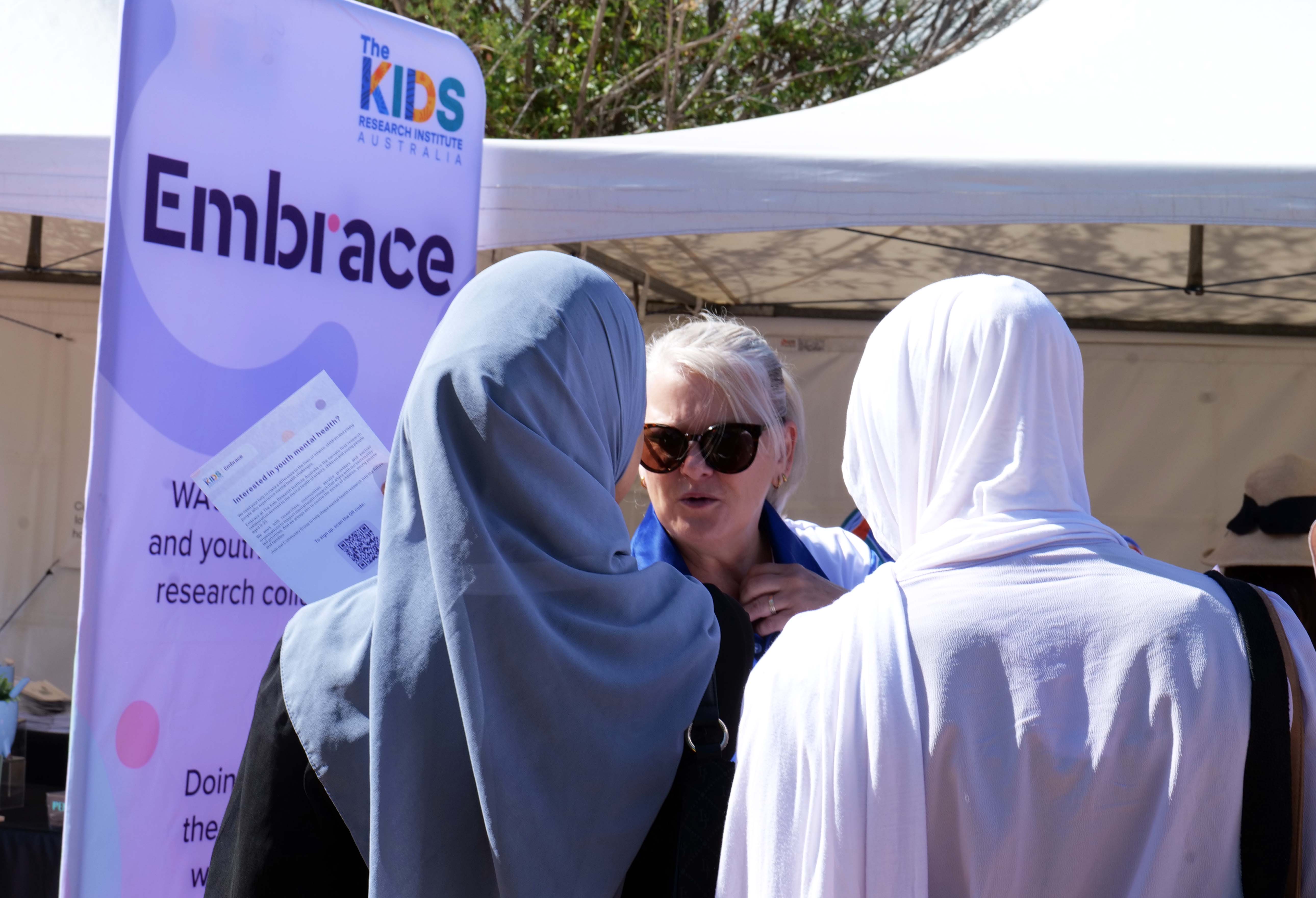
“Stigma”, “pressure of ATAR”, “stress” and “money” were some of the key issues identified when Embrace researchers asked students about their biggest mental health concerns at multiple university open days.
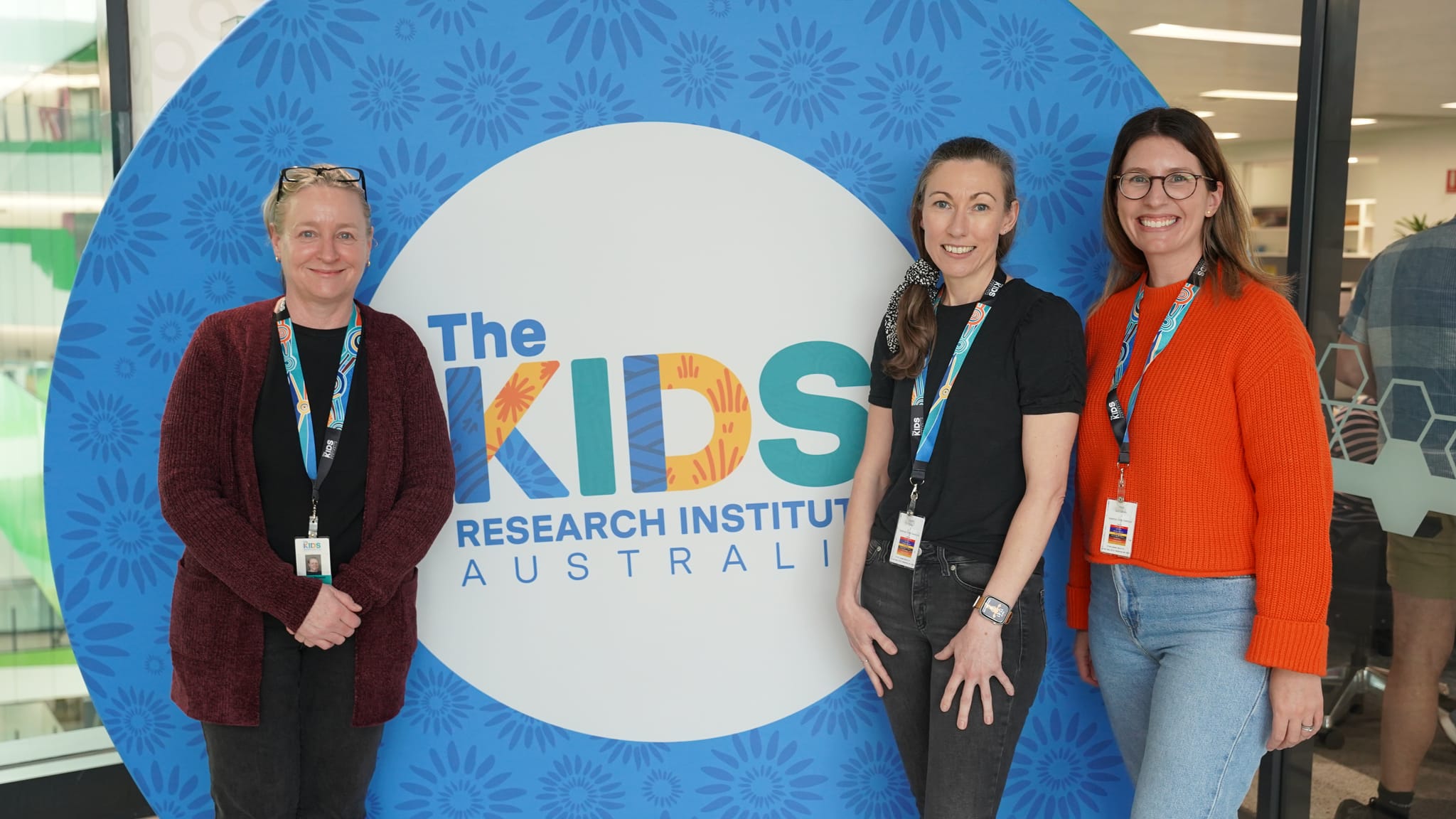
Researchers from The Sibling Project Dr Emma Glasson, Caitlin Gray and Kate Dorozenko.
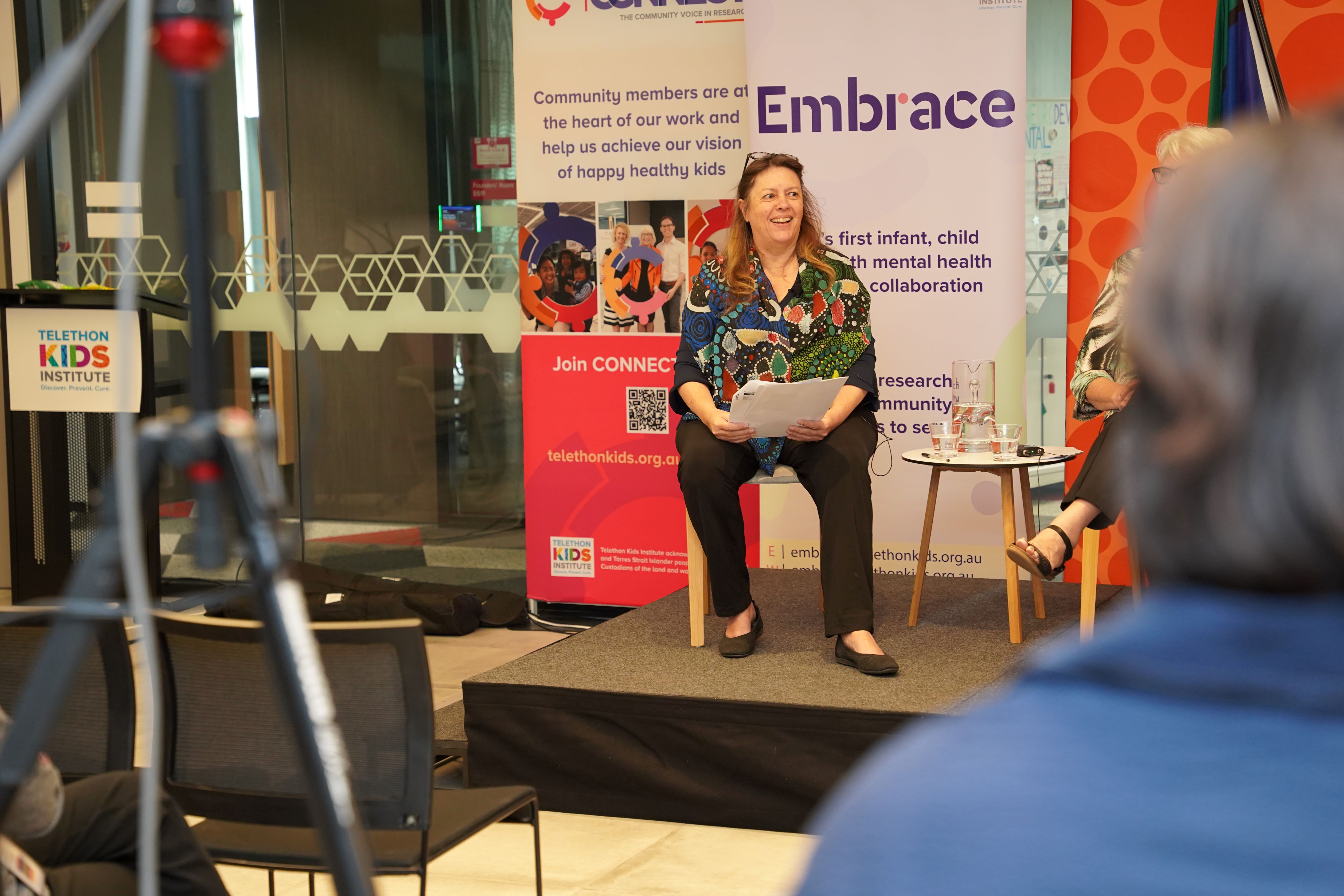
Embrace Co-Director Professor Helen Milroy AM has highlighted the need for Aboriginal and Torres Strait Islander leadership in driving health and wellbeing reform priorities, as Gayaa Dhuwi was mentioned in the Close the Gap report.
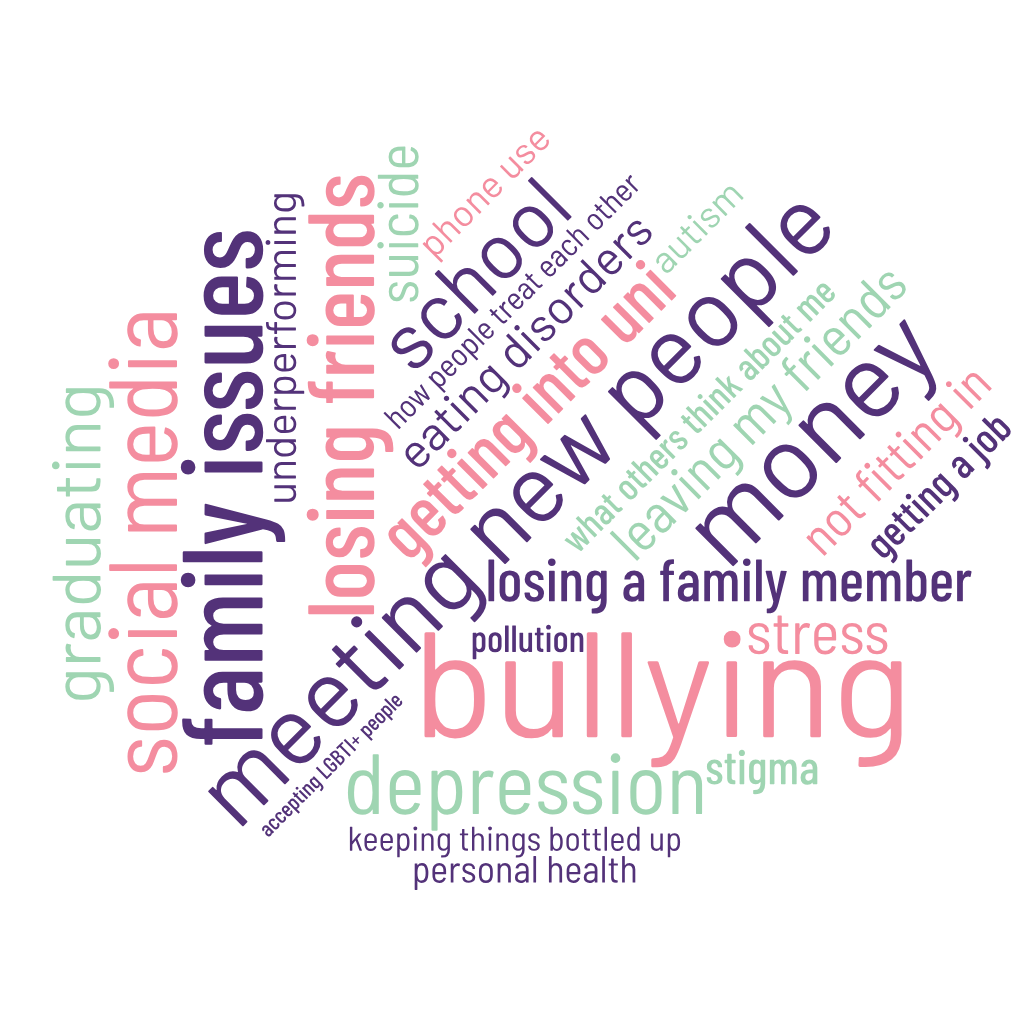
Word cloud of topics that young people identified as their biggest mental health concerns.
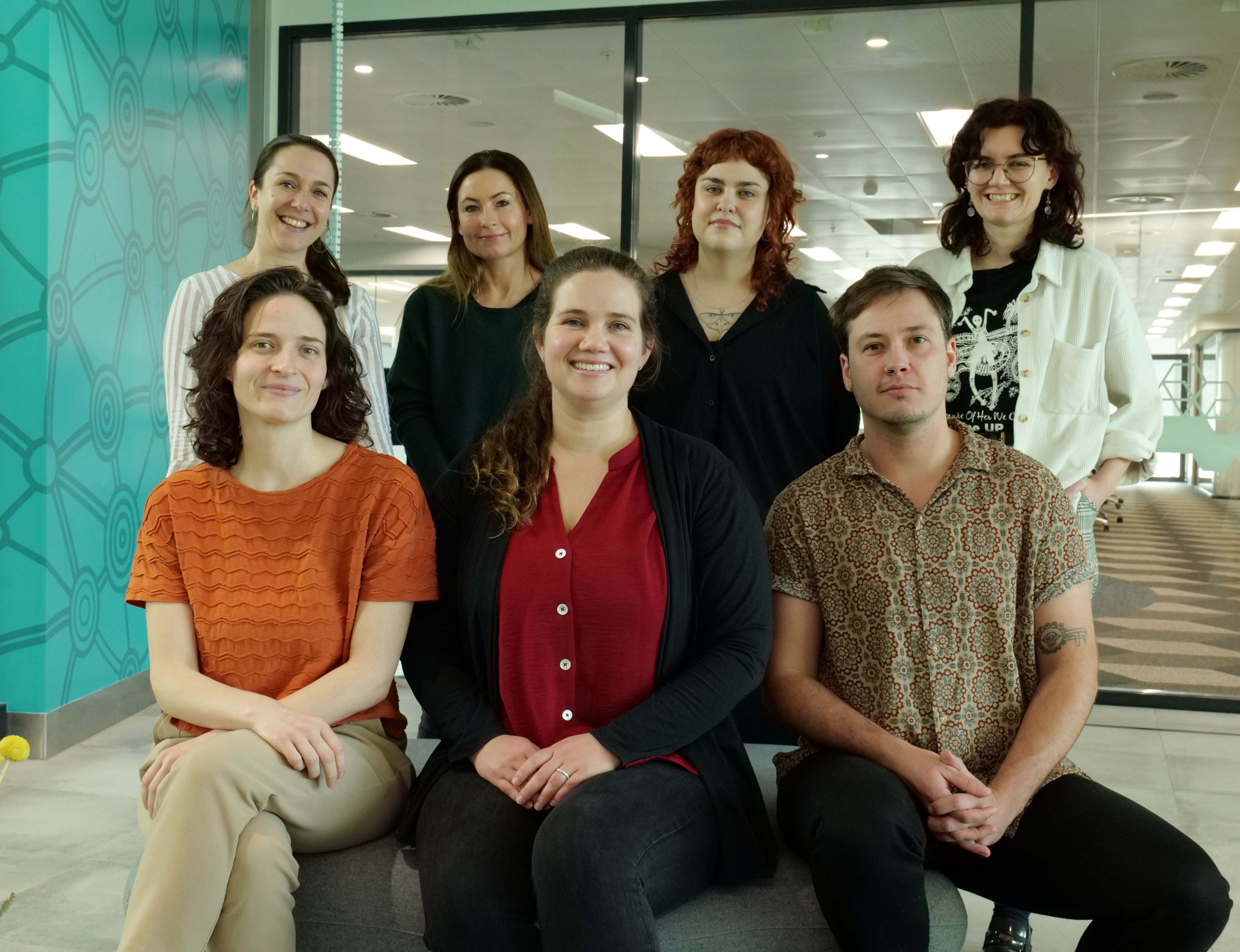
Dr Penelope Strauss will update the seminal Trans Pathways, after receiving the 2025 Embrace Big Idea award
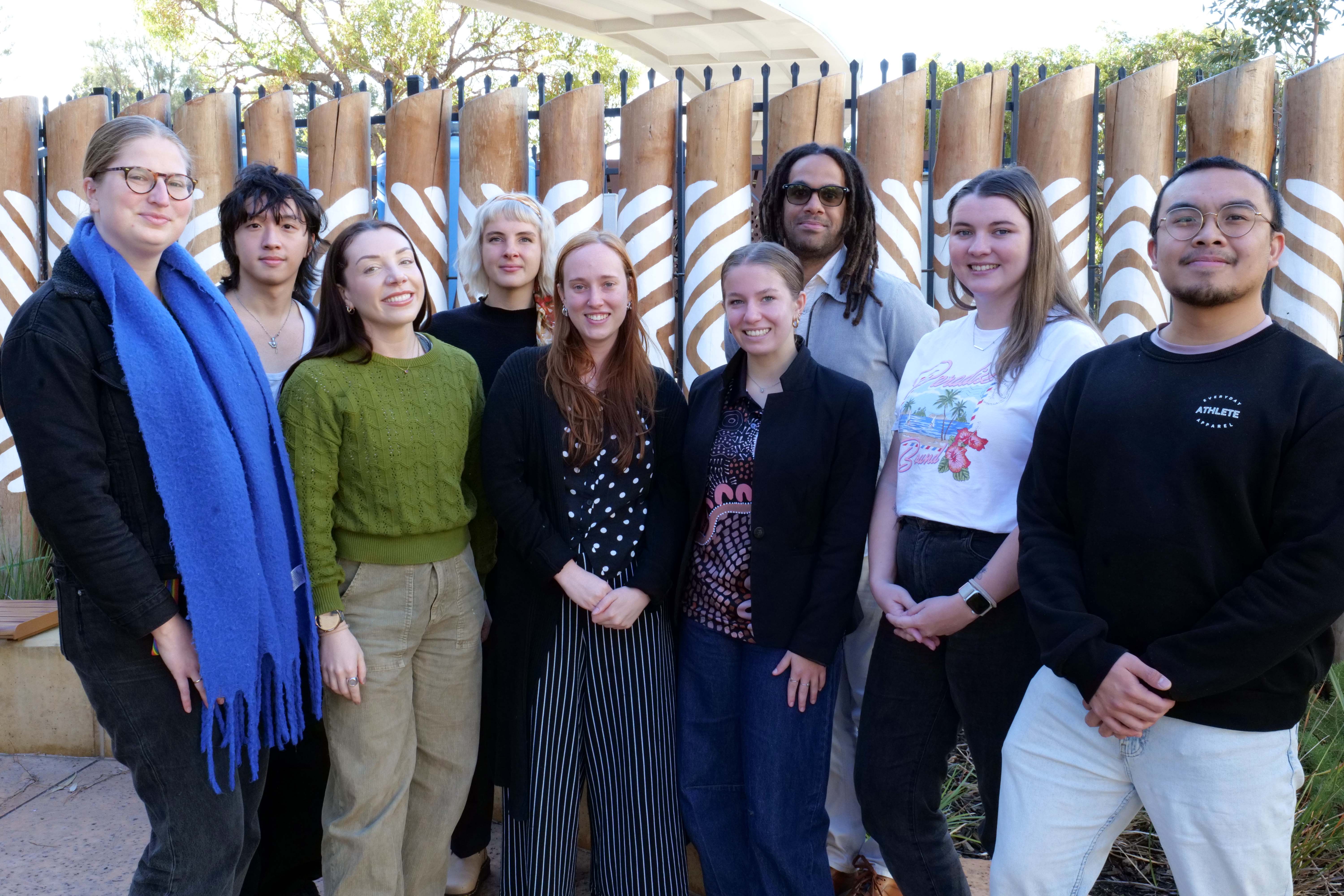
Senior researcher Dr Alix Woolard reflects on the legacy she leaves behind with Embrace Co-Director Professor Helen Milroy AM.
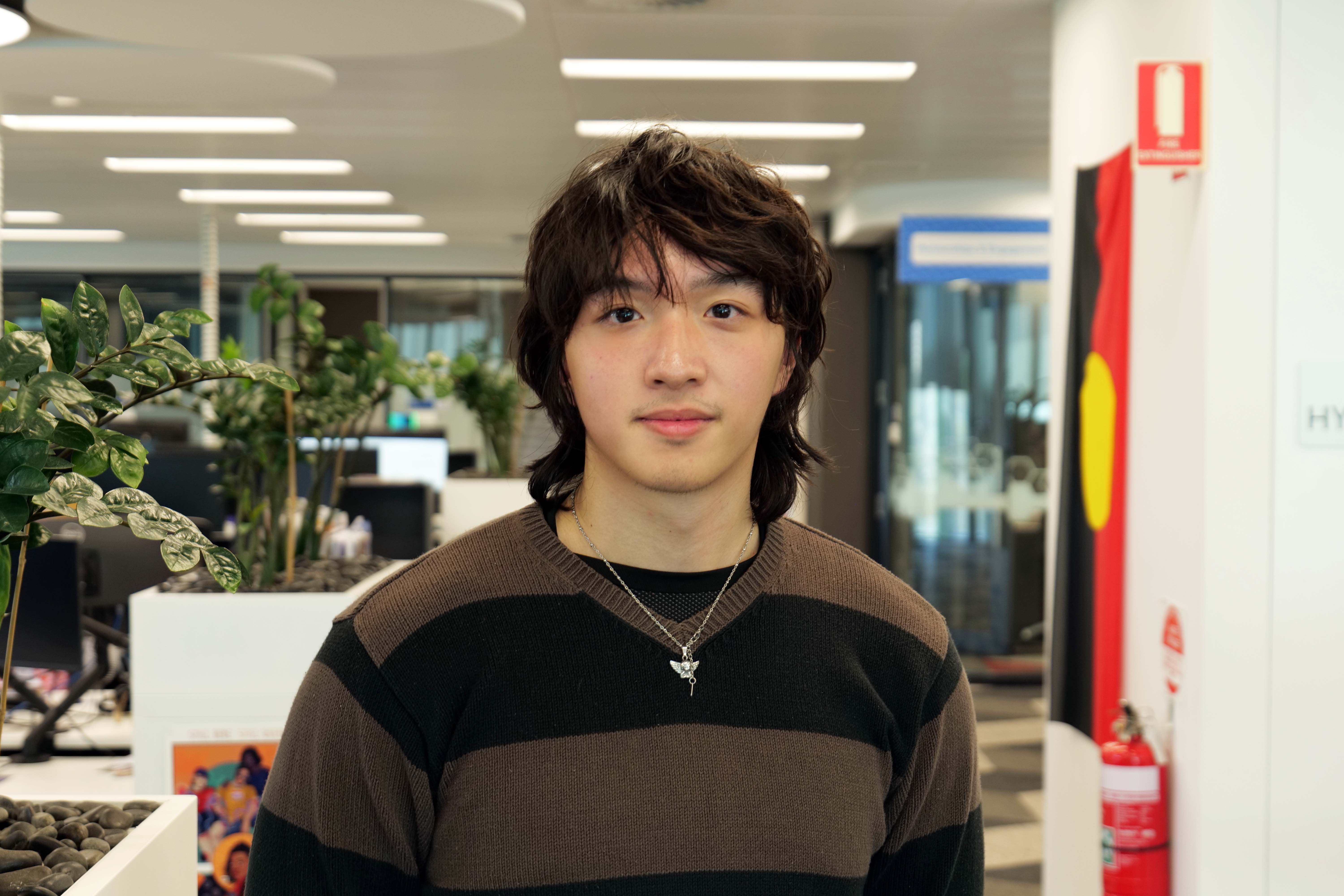
Congratulations to the inaugural Embrace intern, Bobby Zheng, who recently wrapped up a 100-hour paid internship with the Healing Kids, Healing Families team.
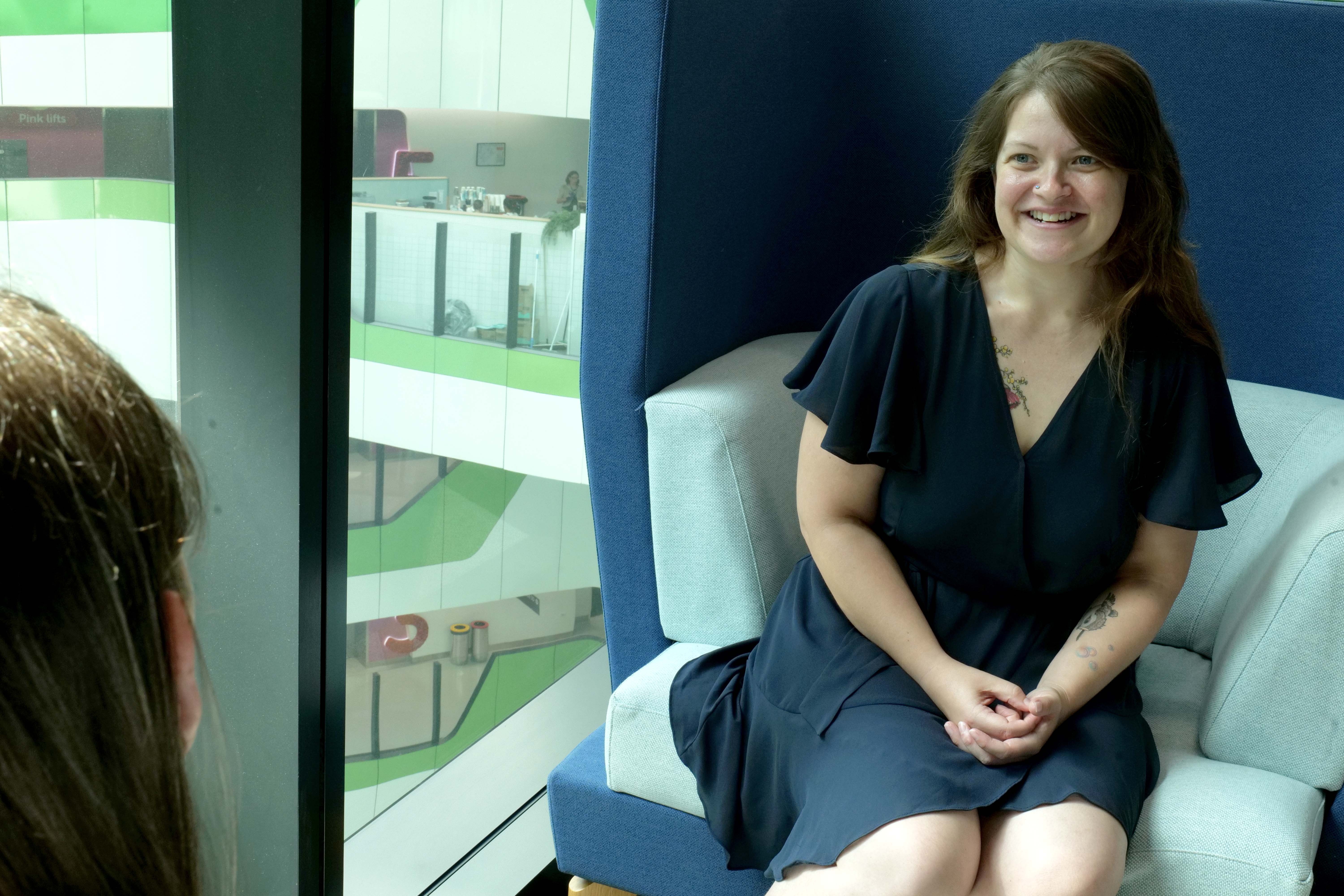
New research has uncovered how adolescents experience high levels of dissociation symptoms.
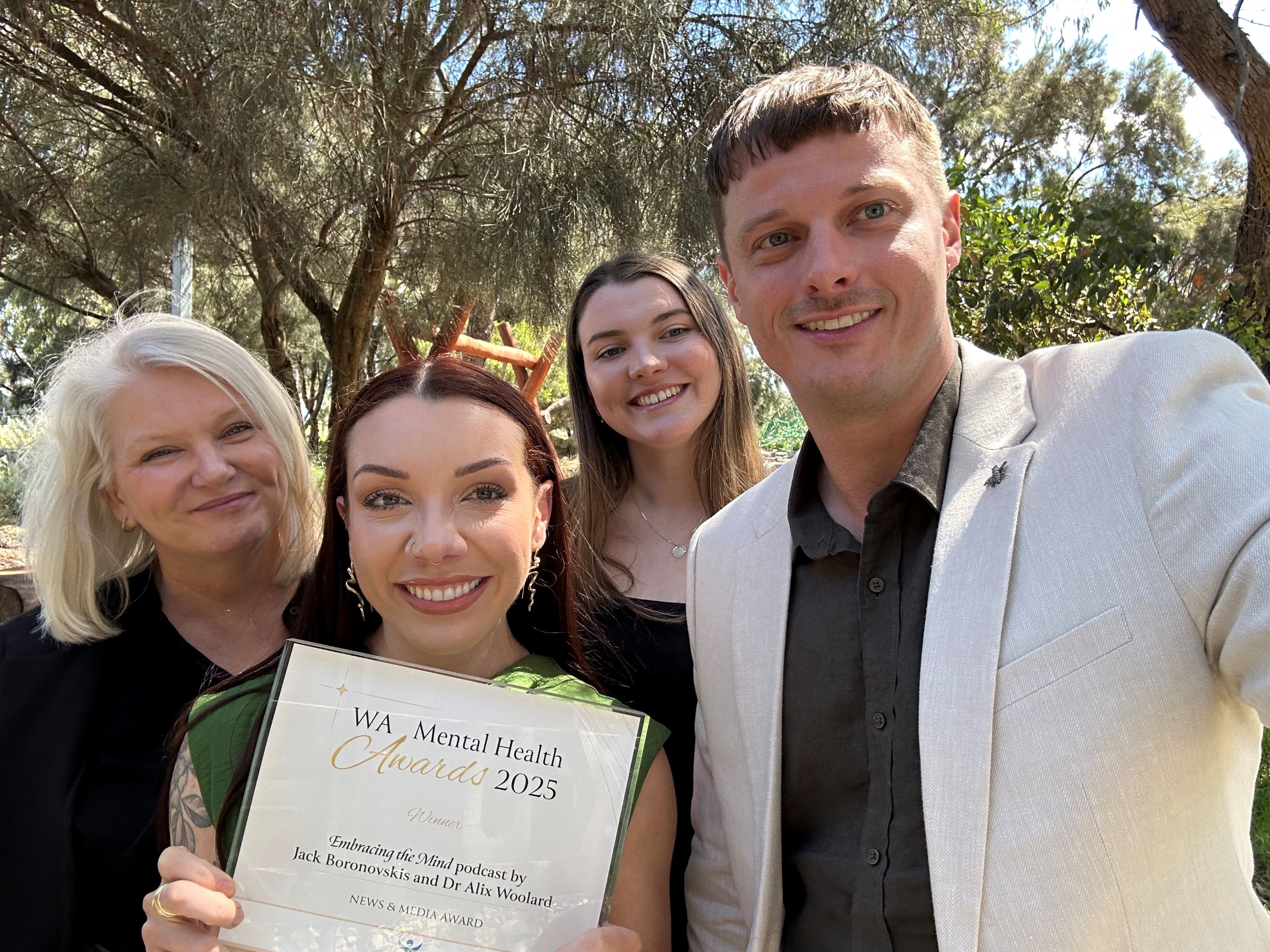
Embracing the Mind won the News & Media category at the WA Mental Health Awards