
Search

Diabetes researchers from PCH would like to find out whether treating hypo’s at a lower level than 3.9 mmol/l is safe and makes managing your diabetes easier.

The Diabetes WA Telehealth for country WA service is a free education and clinical support service available in rural and remote areas of WA.
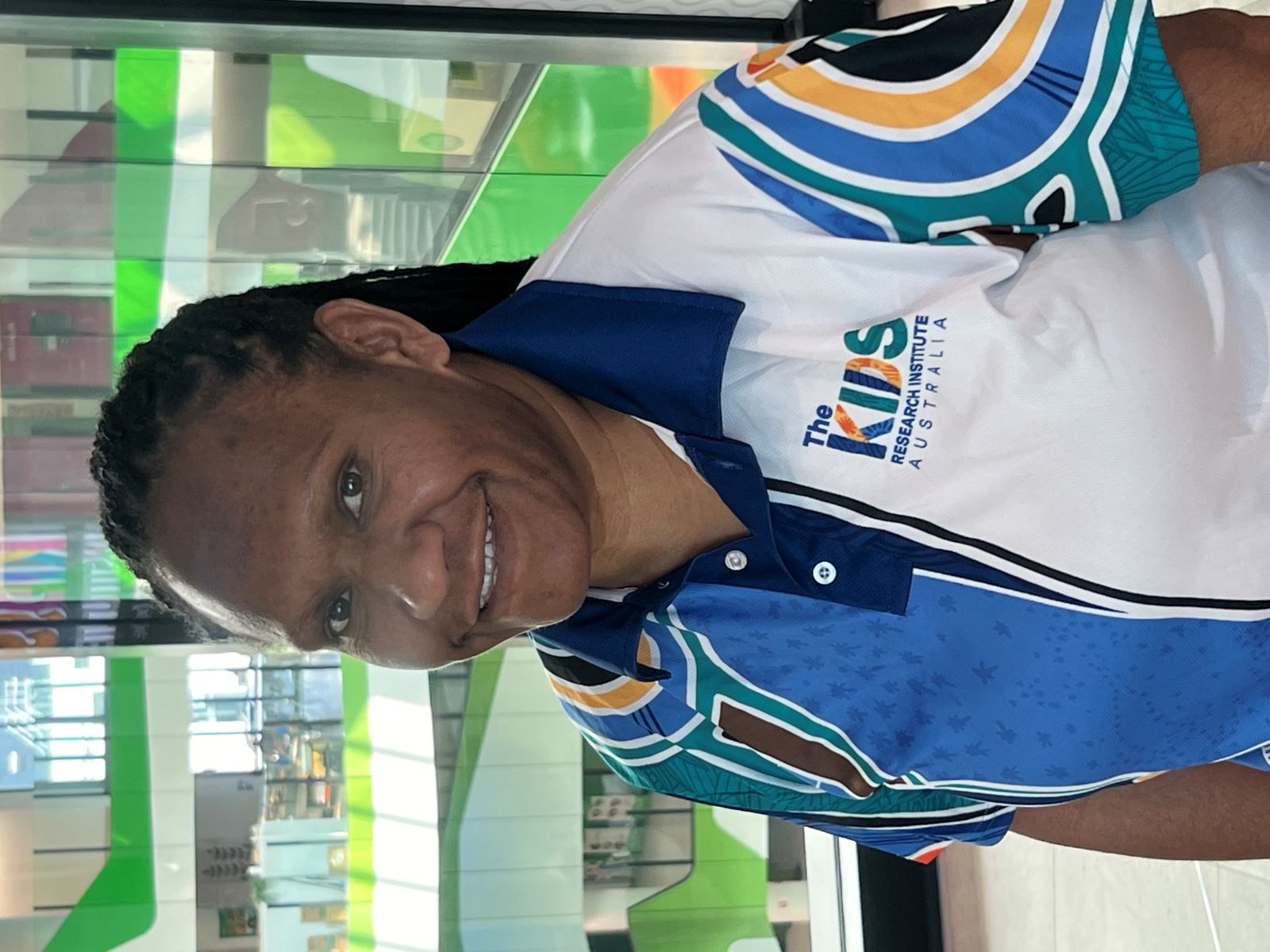
Alice Lafana is one of our Research Interns who is currently studying her Masters of Public Health at the University of WA, and interning with the Mental Health team.
Scholarships now open
We provide opportunities for integrated research and clinical projects and scholarships are granted on a competitive basis to outstanding candidates.
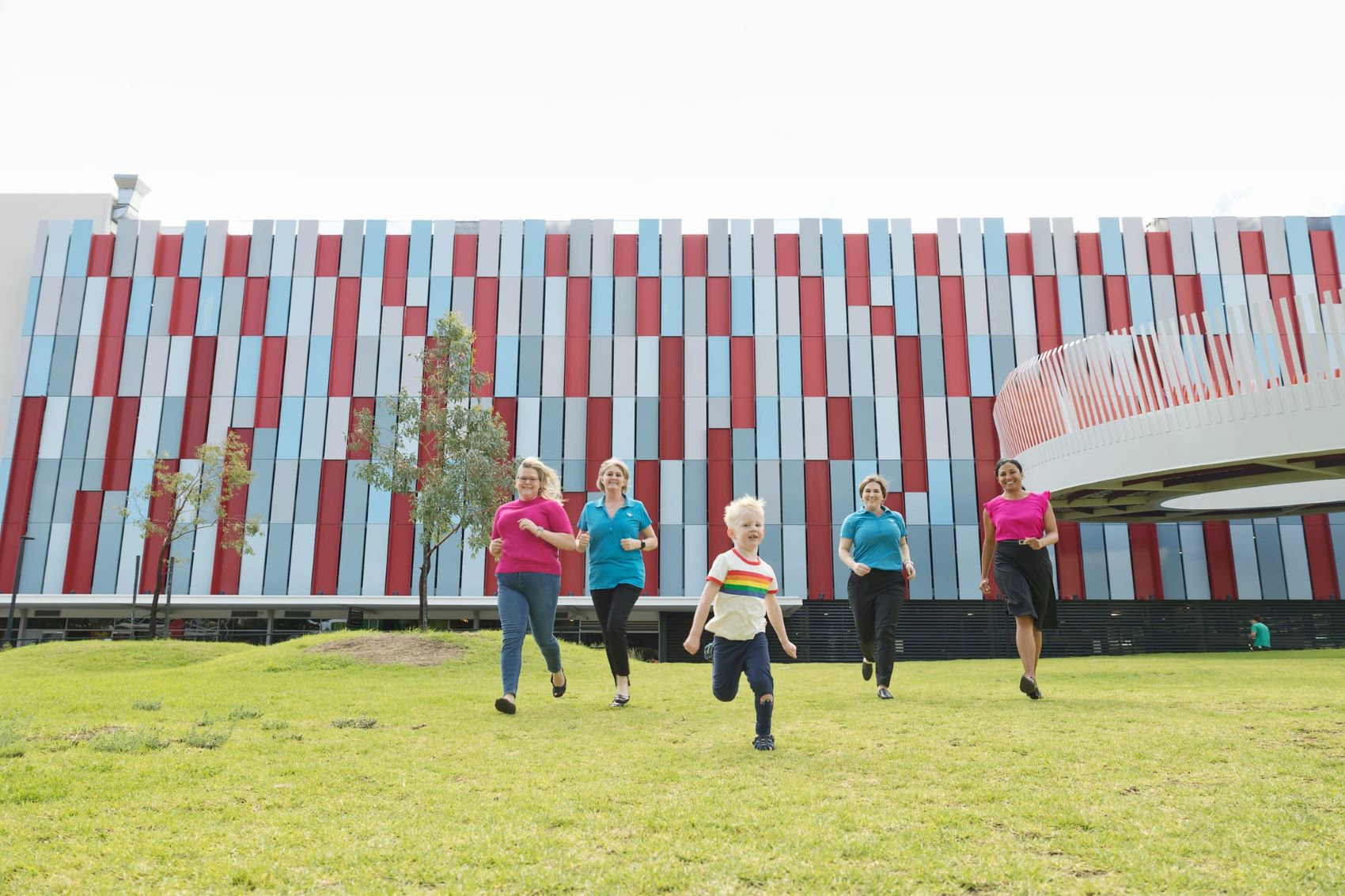
Applications are now open for our 2024 Seed Funding grants.
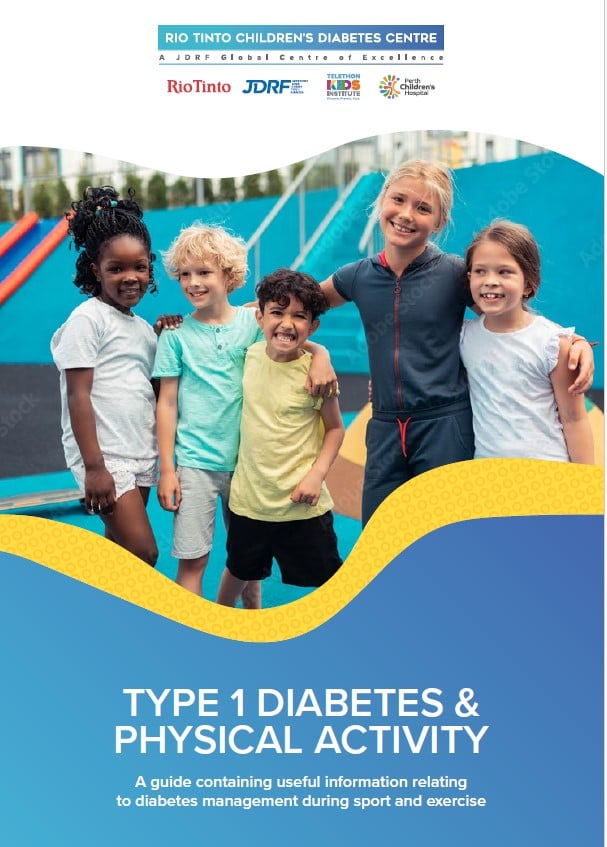
First-of-its-kind T1D sports resources have been designed to help coaches better understand the chronic condition and to encourage youth living with T1D to stay physically active.
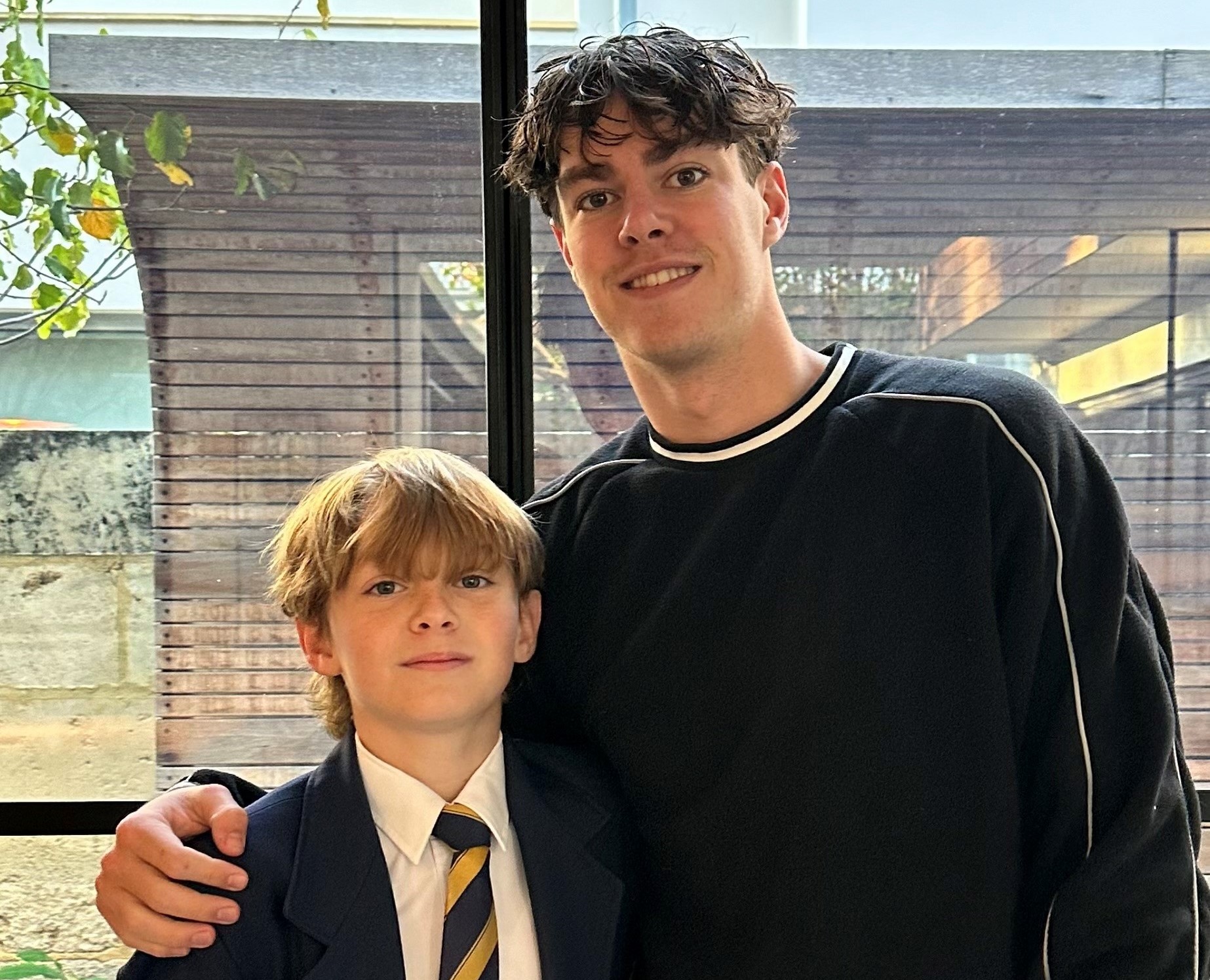
We spoke to Oscar and asked him to share his story about the challenges he faces when trying to support his brother, joining the Centre as a student and what T1D research means to him, his brother and his family.
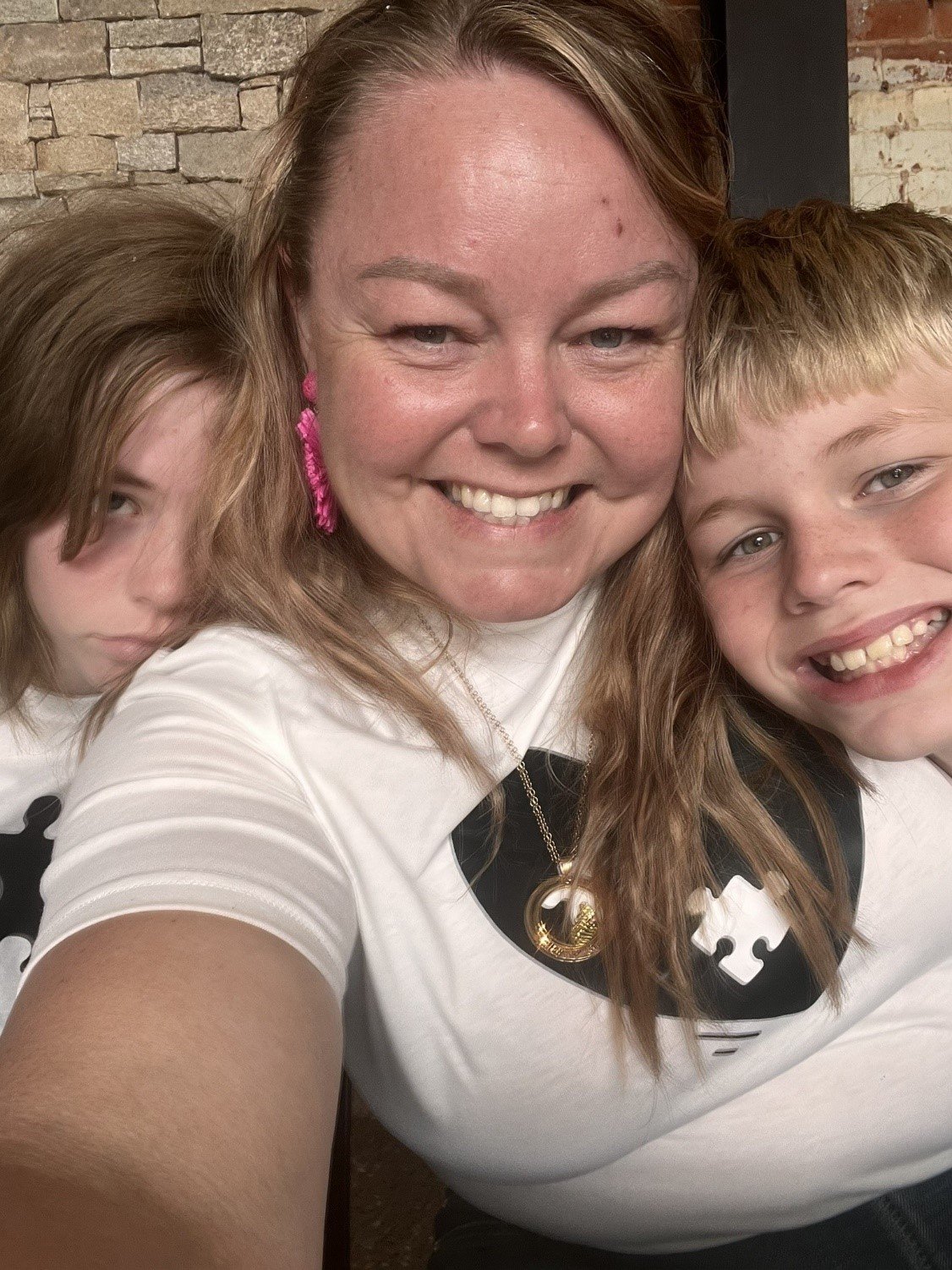
Recognising the signs of type 1 diabetes (T1D) can be tricky. Often put down to growing pains, a virus or “something going around”, a diagnosis can take some time if children aren’t severely sick and attend an emergency department.
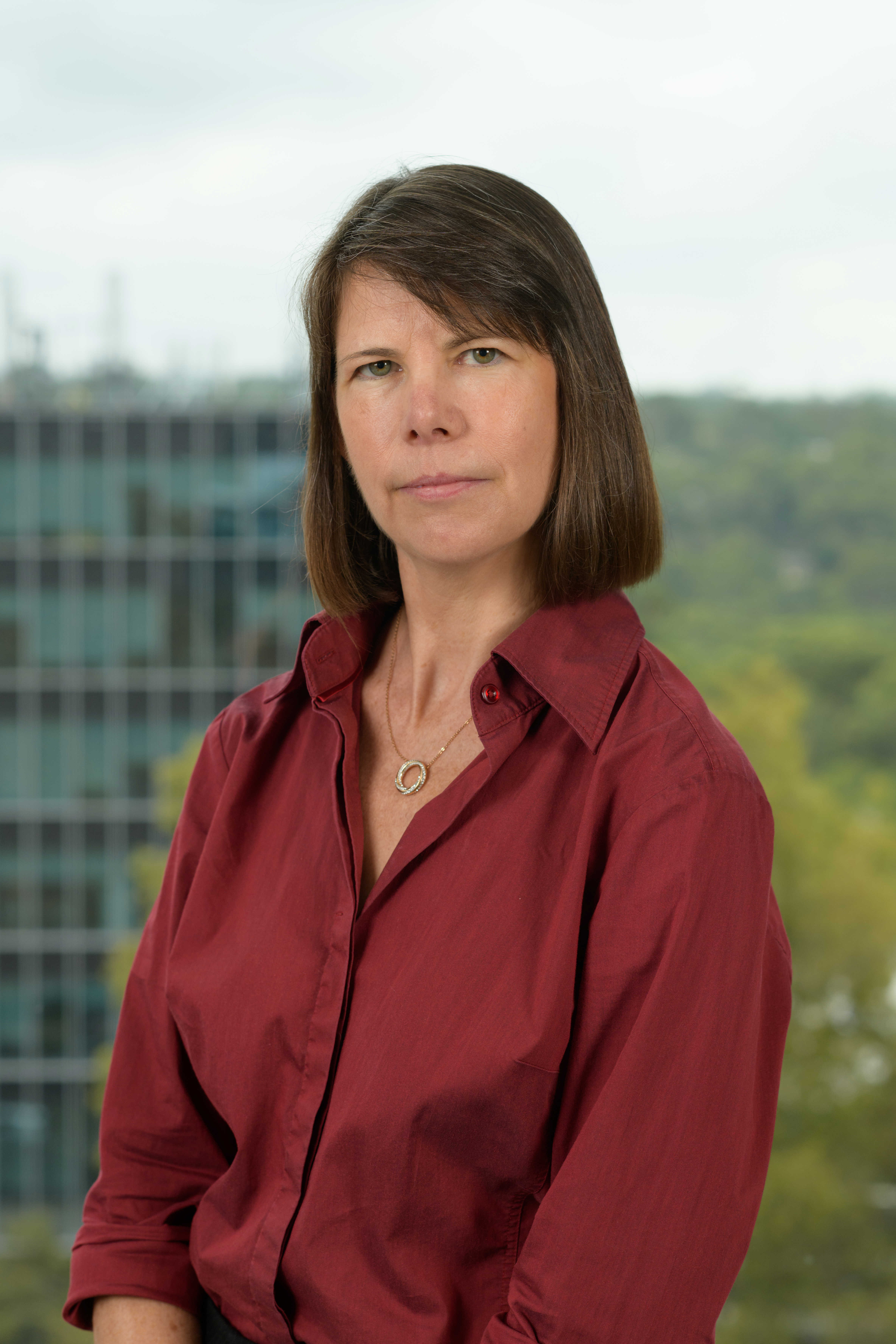
K-Lynn Smith is a Research Fellow at the Australian Institute of Health Innovation and Partnership Centre for Health Systems Sustainability at Macquarie University NSW.