
Search
Probiotic supplementation in the neonatal period results in improved gut colonisation with probiotic bacteria in the short term. There is limited information on the long-term sustainability of this colonisation.
Positive maternal mental health during the perinatal period contributes to general well-being and positive emotional bonds with the child, encouraging an optimal developmental trajectory. Online interventions to enhance maternal well-being and develop coping skills, such as meditation-based interventions, can be a low-cost way to improve mother and child outcomes.
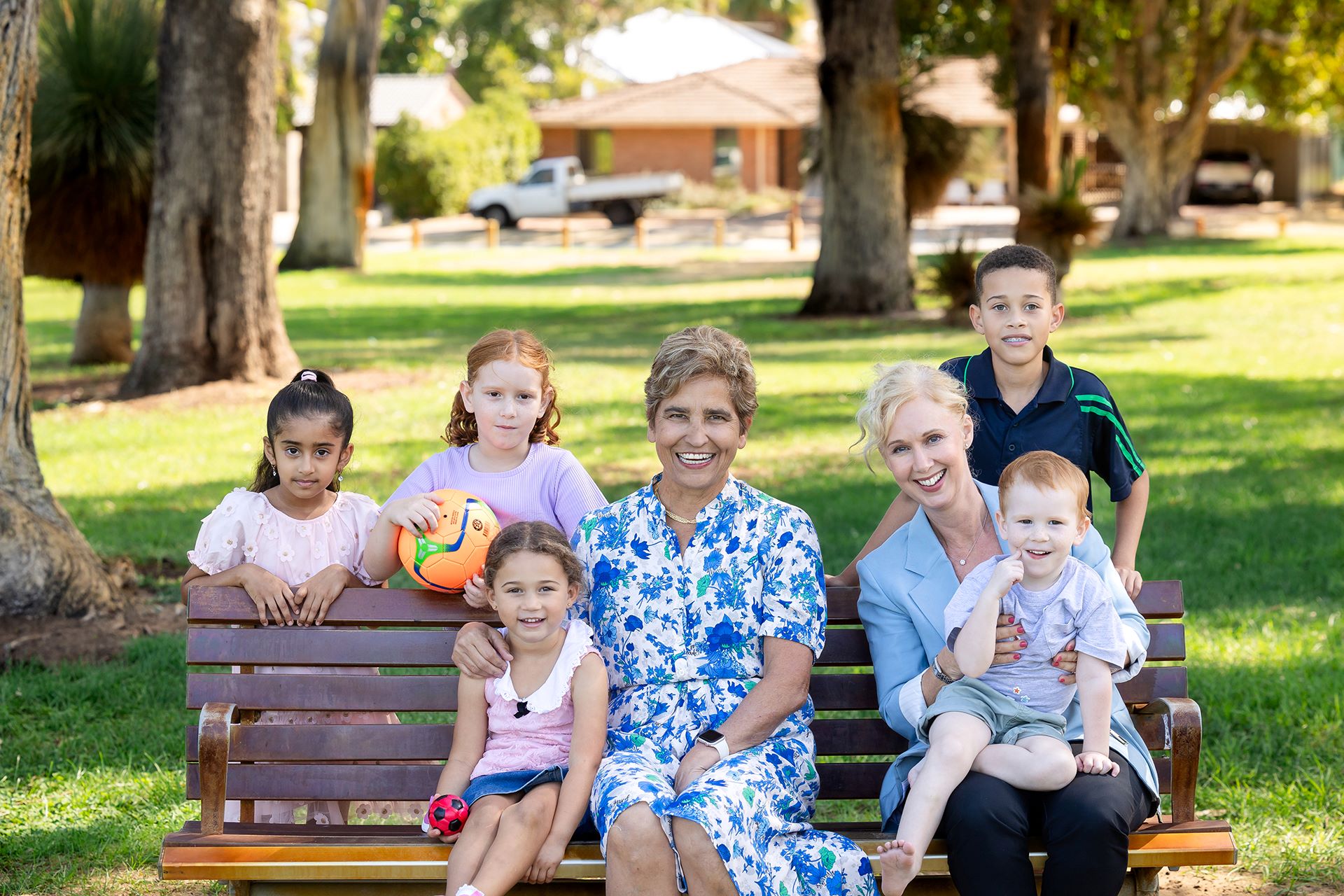
ORIGINS is Australia's largest longitudinal cohort study of its kind. Following 10,000 WA children from their time in the womb into early childhood, ORIGINS researchers are working to better understand when and why non-communicable diseases develop, and provide solutions for early intervention to ensure every child and family flourishes throughout their lifetime.
Alcohol industry publications reveal that the industry targets young people with better for you (BFY) marketing that promotes the nutrition and health-oriented aspects of some products, despite the inherent harms of alcohol consumption. This research investigated how young adults conceptualise the appeal of BFY alcohol products and their potential effect on consumption, and their opinions of the alcohol industry in the context of this marketing.
Globally, rates of children with physical and mental health problems are increasing. Health issues in early childhood often persist into adulthood, highlighting the need to ensure children are supported to flourish from the start of life.
The rates of obesity and type 1 diabetes (T1D) in children and adolescents are increasing in many settings worldwide, but data on weight gain in this group are limited in New Zealand. We examined temporal body mass index (BMI) changes and associated factors in young people with T1D in a mixed urban-rural region.
Childhood obesity prevalence is increasing globally, with Aboriginal and Torres Strait Islander children over-represented in Australian data. Evidence-based, community healthy lifestyle programs require culturally safe adaptation when implemented in new First Nations contexts, where prioritising access and engagement of First Nations groups is critical.
Pregnant women are at higher risk of contracting listeriosis, which can lead to serious perinatal complications. This study evaluated associations between Listeria monocytogenes exposure, infant perinatal outcomes, and hospital resource use in a cohort of 1604 Australian mother-infant dyads.
Paediatric burn injuries are a global health concern with long-term health consequences, such as psychological, immune, and cardiovascular complications, that can persist even after non-severe injuries. Emerging evidence suggests that biological sex may influence post-burn outcomes in children, as female burn survivors have been shown to experience higher mortality, scarring, anxiety, depression, and poorer quality of life compared to males.
Young children are increasingly exposed to evolving screen technology. International guidelines recommend no screen use for children under the age of 2 years, due to the potential for detrimental effects on behaviour and development. However, evidence for these guidelines is limited by inadequate consideration of device-specific effects (TV and mobile phone/tablet computer), maternal screen use, confounders such as maternal mental health and importance of effect sizes.