Skip to content

Search

The Kids Research Institute Australia launches Covid-19 booster research to inform Australia’s vaccine policy

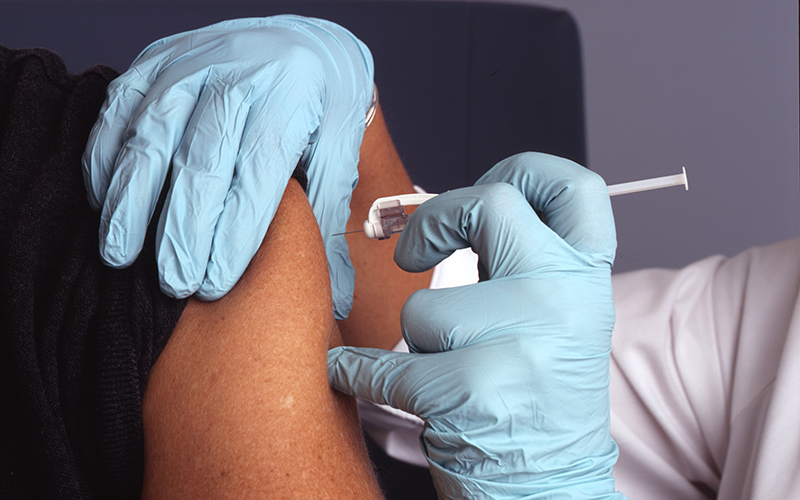
Optimising our national Covid-19 vaccine program could be one step closer thanks to new research now underway at The Kids Research Institute Australia investigating the most effective, long-term strategies for booster vaccinations.

COVID-19 risks explained for babies, children and pregnant women

Many parents may be feeling anxious and confused about what COVID-19 means for pregnant women, babies and children.

It’s not just physical illness that will have an impact: A ground-breaking study is investigating the effect of COVID-19 on community wellbeing

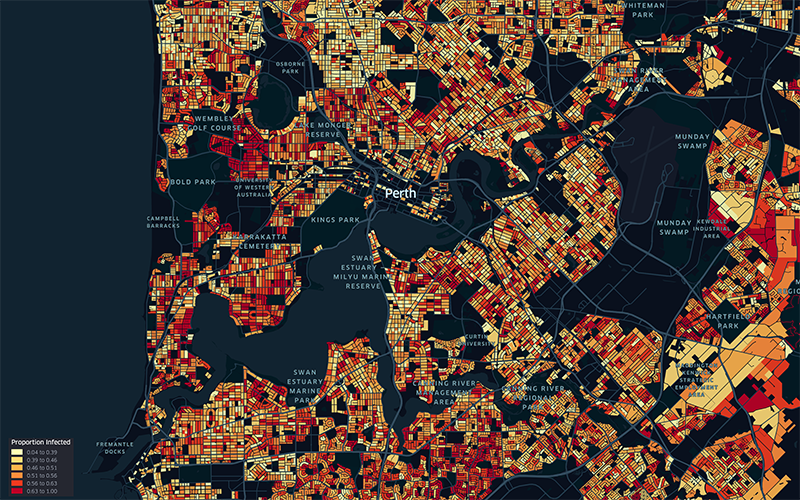
In an Australian-first study, researchers at The Kids Research Institute Australia are investigating the effects of COVID-19 on the wellbeing of more than 2,000 families in the northern suburbs of Perth, measuring their perceived stress, financial hardship and family functioning during the pandemic.

Health impact and cost-effectiveness of COVID-19 booster vaccination strategies in the early post-Omicron era: a dynamic modelling study

Following widespread exposure to Omicron variants, SARS-CoV-2 has transitioned to endemic circulation. Populations now have diverse infection and vaccination histories, resulting in heterogeneous immune landscapes. Careful consideration of the value of ongoing vaccination is required through the post-Omicron phase of COVID-19 management to minimise disease burden.

Increased burden of invasive group A streptococcal disease among Australian children, 2023–2024: a prospective cohort study

Global rates of invasive Group A Streptococcus (iGAS) disease surged from September 2022, exceeding pre-COVID-19 pandemic levels, showing atypical seasonality and disproportionately affecting children. We previously described the epidemiology of iGAS among Australian children from mid-2018 to end 2022 using data from the Paediatric Active Enhanced Diseases network and here provide updated clinical epidemiology for 2023 and 2024 to help inform public health strategies.

Pandemic preparedness needs for children with rare diseases and their families: A perspective of COVID-19 experiences

People living with rare diseases had a high risk of negative health outcomes due to COVID-19. Pandemic preparedness will ensure best practice procedures and optimal outcomes during future pandemic events. This paper sought to understand the needs of children with rare diseases during the COVID-19 pandemic to inform preparation for future pandemic and disaster events. First, impacts and outcomes from the COVID-19 pandemic on people living with rare disease were identified in the literature.

A modular approach to forecasting COVID-19 hospital bed occupancy

Monitoring the number of COVID-19 patients in hospital beds was a critical component of Australia's real-time surveillance strategy for the disease. From 2021 to 2023, we produced short-term forecasts of bed occupancy to support public health decision-making. 

Global Disparities of Cancer and Its Projected Burden in 2050

Cancer prevention and care efforts have been challenged by the COVID-19 pandemic and armed conflicts, resulting in a decline in the global Human Development Index (HDI), particularly in low- and middle-income countries. These challenges and subsequent shifts in health care priorities underscore the need to continuously monitor cancer outcome disparities and statistics globally to ensure delivery of equitable and optimal cancer prevention and care in uncertain times.

Use of high-resolution fluorescence in situ hybridization for fast and robust detection of SARS-CoV-2 RNAs

Early, rapid, and accurate diagnostic tests play critical roles not only in the identification/management of individuals infected by SARS-CoV-2, but also in fast and effective public health surveillance, containment, and response. Our aim has been to develop a fast and robust fluorescence in situ hybridization (FISH) detection method for detecting SARS-CoV-2 RNAs by using an HEK 293 T cell culture model. 

Are C-reactive protein and procalcitonin safe and useful for antimicrobial stewardship purposes in patients with COVID-19 - A scoping review

The primary objectives of this study were to assess the usefulness of C-reactive protein and procalcitonin in the diagnosis of bacterial co-infections in coronavirus disease 2019 (COVID-19) and if their incorporation in antimicrobial stewardship programs is safe and useful, stratified by severity of disease as level of care, intensive care unit (ICU) or non-ICU.