
Search
Evidence for the existence of additional regulatory mechanisms of the expression of neurodegenerative disease-causing genes by antisense long noncoding RNAs
A systematic comparison of the cellular and molecular changes in neurons in vitro induced by low intensity magnetic stimulation at different frequencies.
Complementary feeding induces dramatic ecological shifts in the infant gut microbiota toward more diverse compositions and functional metabolic capacities, with potential implications for immune and metabolic health. The aim of this study was to examine whether the age at which solid foods are introduced differentially affects the microbiota in predominantly breastfed infants compared with predominantly formula-fed infants.
The Indigenous peoples of Australia have a rich linguistic and cultural history. How this relates to genetic diversity remains largely unknown because of their limited engagement with genomic studies. Here we analyse the genomes of 159 individuals from four remote Indigenous communities, including people who speak a language (Tiwi) not from the most widespread family (Pama-Nyungan). This large collection of Indigenous Australian genomes was made possible by careful community engagement and consultation.
Immune checkpoint therapy (ICT) causes durable tumour responses in a subgroup of patients, but it is not well known how T cell receptor beta (TCRβ) repertoire dynamics contribute to the therapeutic response.

The aim of the Translational Intelligence team is to understand how individual bases in our genome predispose, alter and interact in normal and disease contexts.
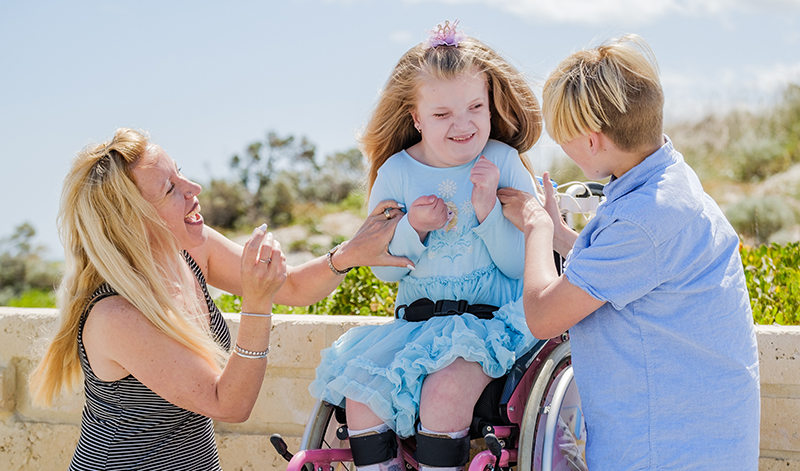
In WA, 60,000 kids live with a rare disease, and of those about half do not have a diagnosis. At The Kids, researchers are leading the charge in developing a method to identify genetic variations, so that kids like Charlotte can get answers.